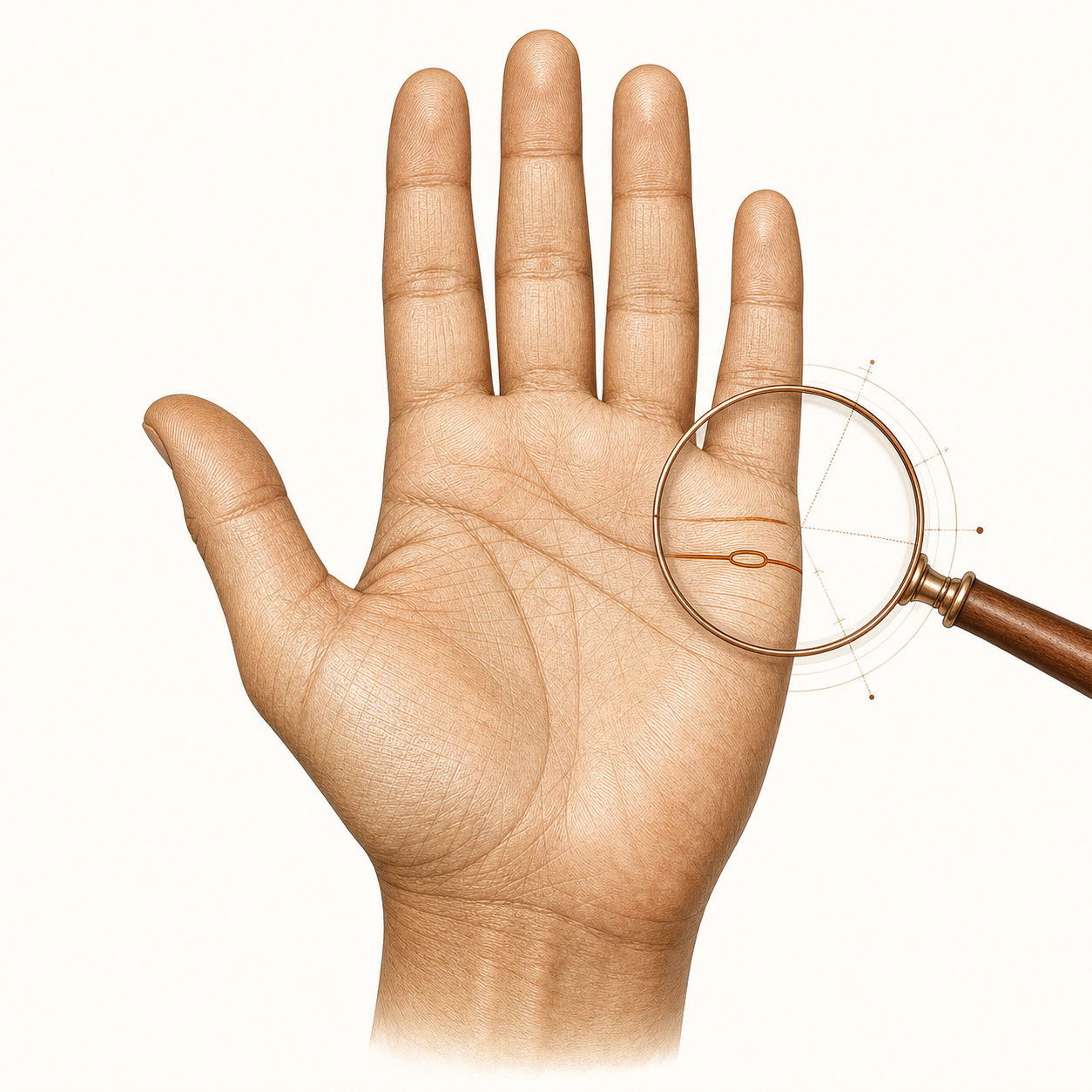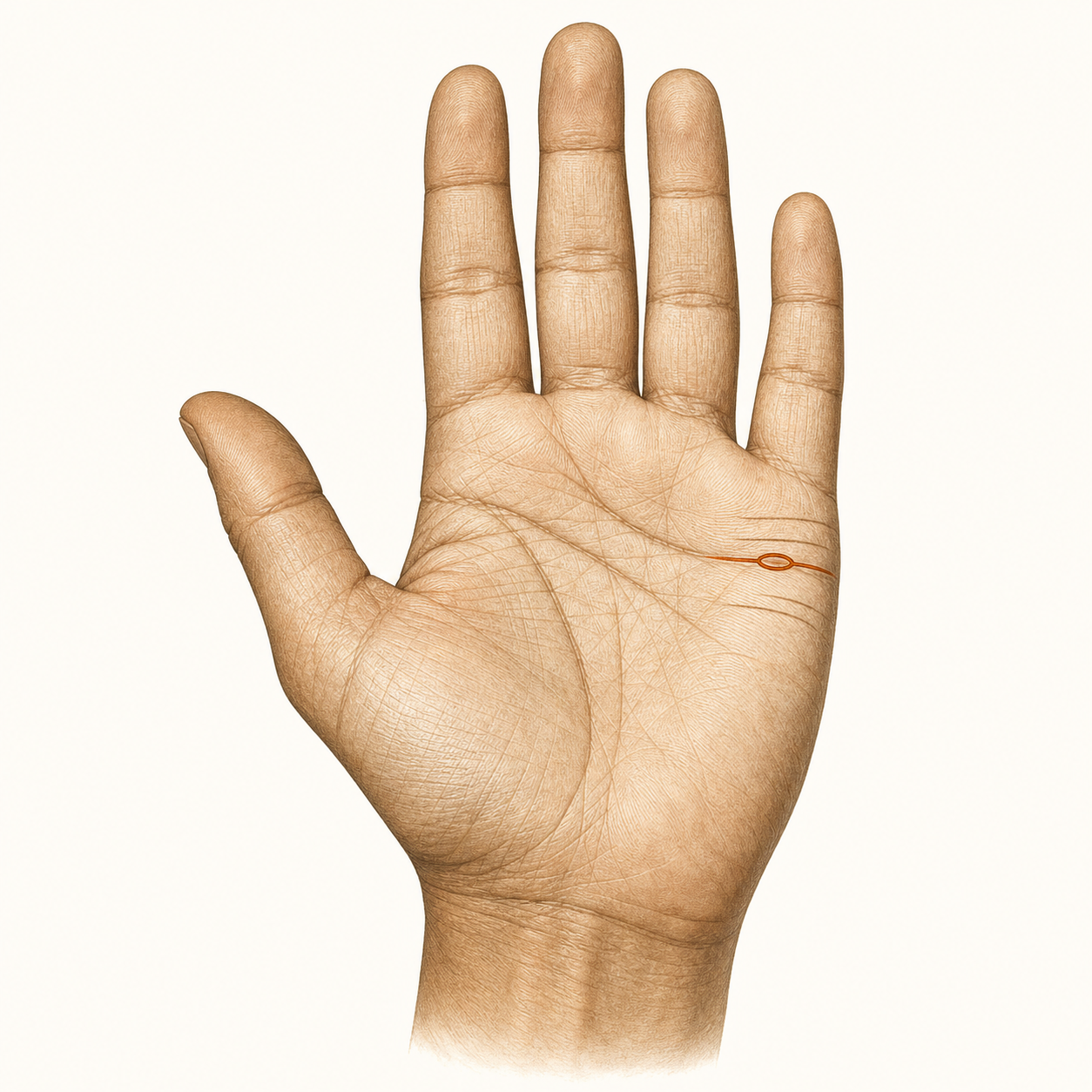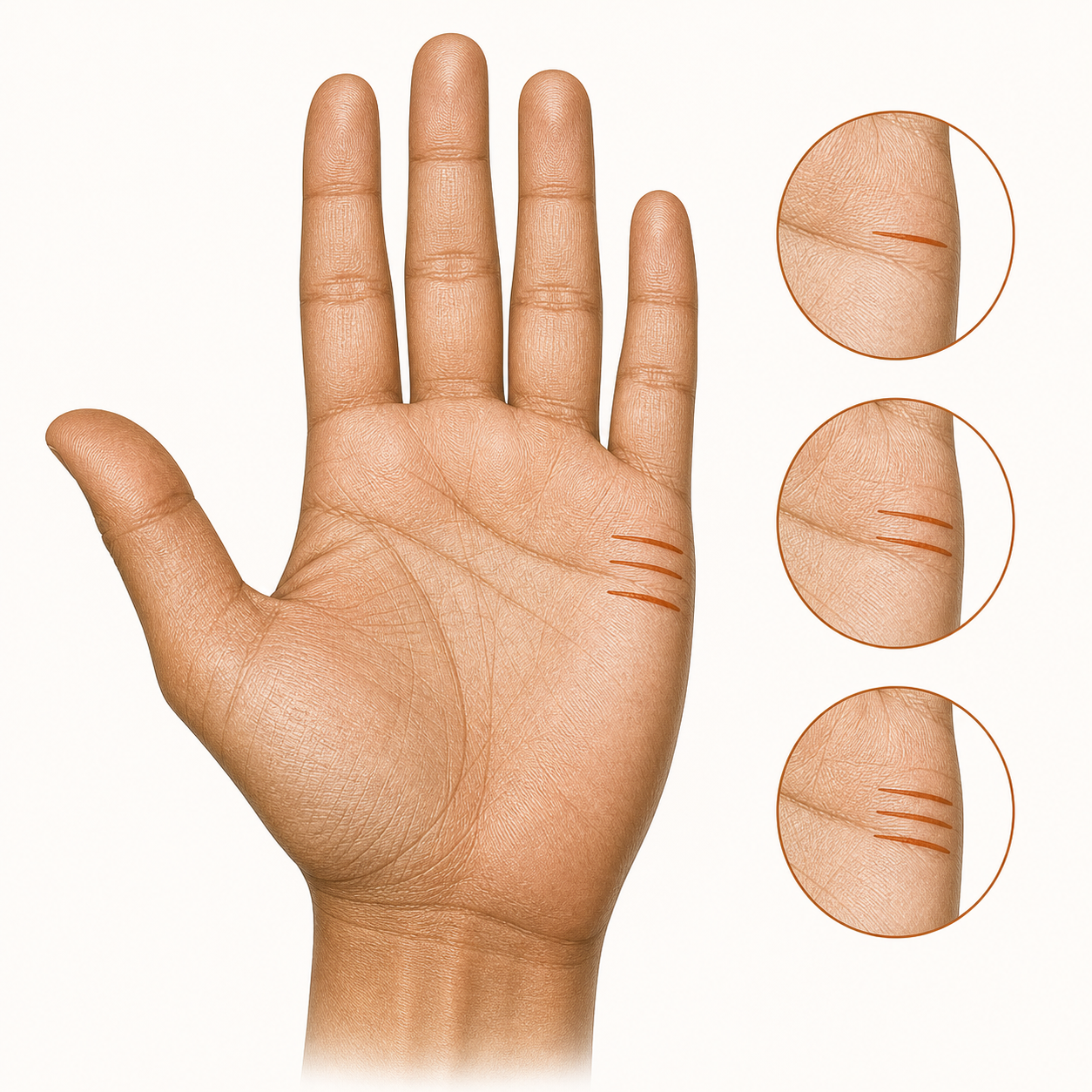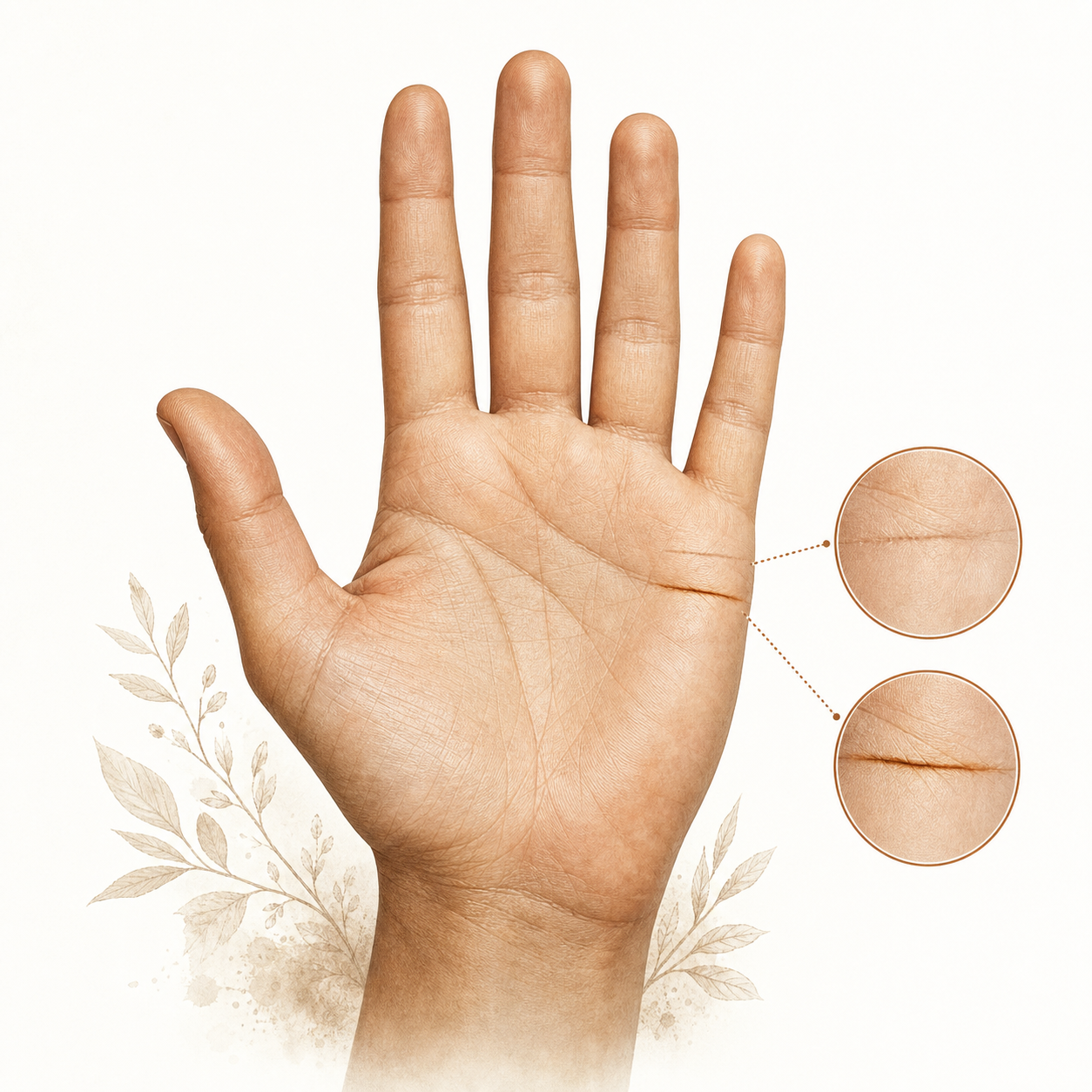
Palm lines are not permanent engravings. They are formed by the movement of the hand and the underlying structure of muscle, tissue, and fascia - all of which shift over a lifetime. The marriage line, being a fine and relatively shallow crease, is particularly susceptible to change. It can deepen when a significant relationship intensifies. It can fade when emotional distance sets in. A break can partially heal if a couple separates and reconciles.
Most serious palmistry traditions acknowledge this. Classical Indian palmistry treats the hand as a dynamic map of current trajectory rather than fixed fate. The same is true in Chinese palmistry. It is largely Western popular palmistry - the kind sold at fairgrounds - that promoted the idea of a fixed, unalterable destiny etched into the skin at birth.
The practical upshot is that a reading taken at twenty may look quite different at forty. This is not a failure of palmistry. It is the point.