AI and Palmistry

Can AI Do Palmistry?

AI can look at your palm. Whether what it does next counts as palmistry is a more interesting question than it first appears.

Understanding the difference between pattern recognition and traditional palm reading changes what you should expect from any AI palm tool.

Quick answer

AI can identify palm lines using image recognition and apply palmistry frameworks to describe them. It cannot verify the tradition's predictive claims, which have no scientific basis regardless of who or what applies them.

Yes Can Identify LinesYes Can Apply FrameworksNot Verified Predictive AccuracyNot Established Better Than Human
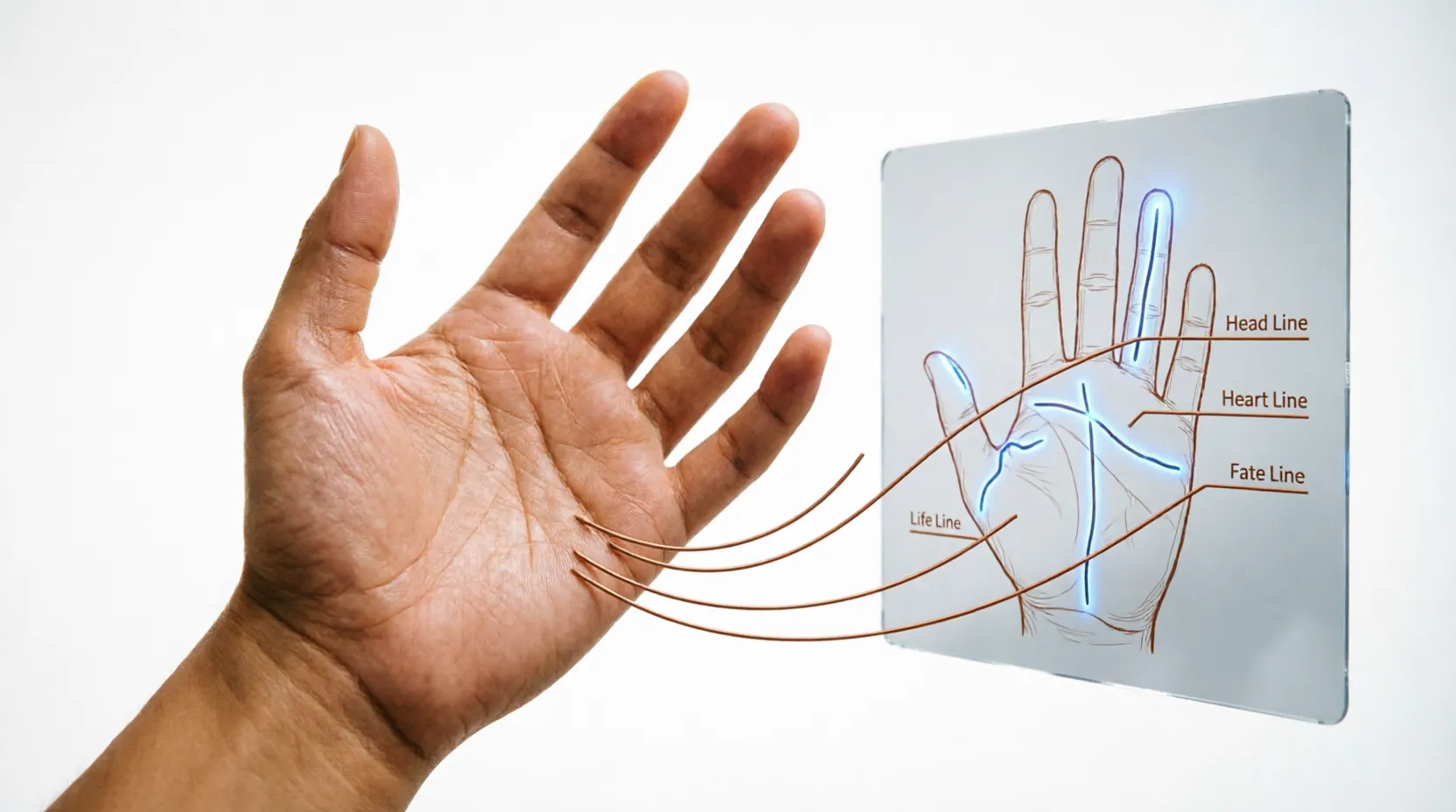
Editorial illustration of a palm being scanned by a digital interface
Museum field-note style illustration of an open palm on aged parchment alongside a clean minimal digital grid overlay, warm editorial tone, no mystical symbols, no dramatic lighting.
01Overview

Overview

The short answer

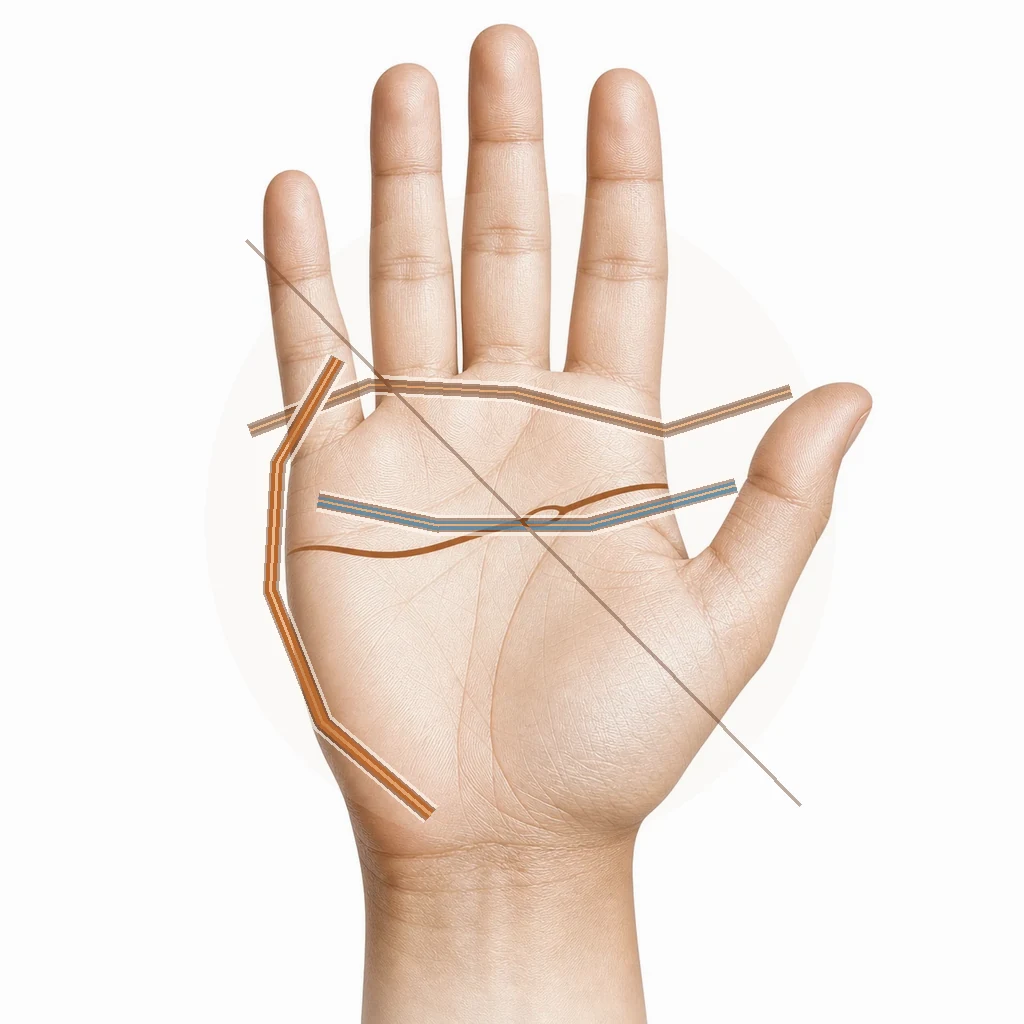
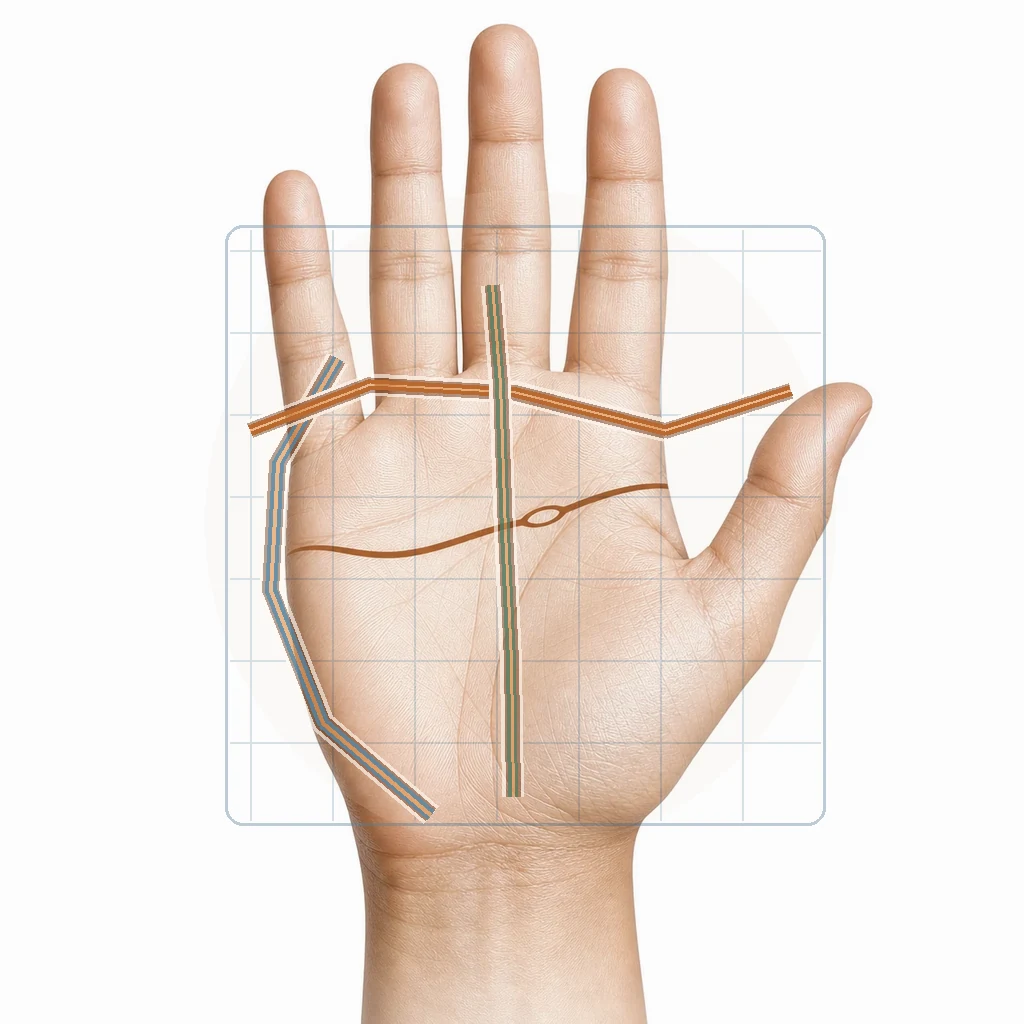
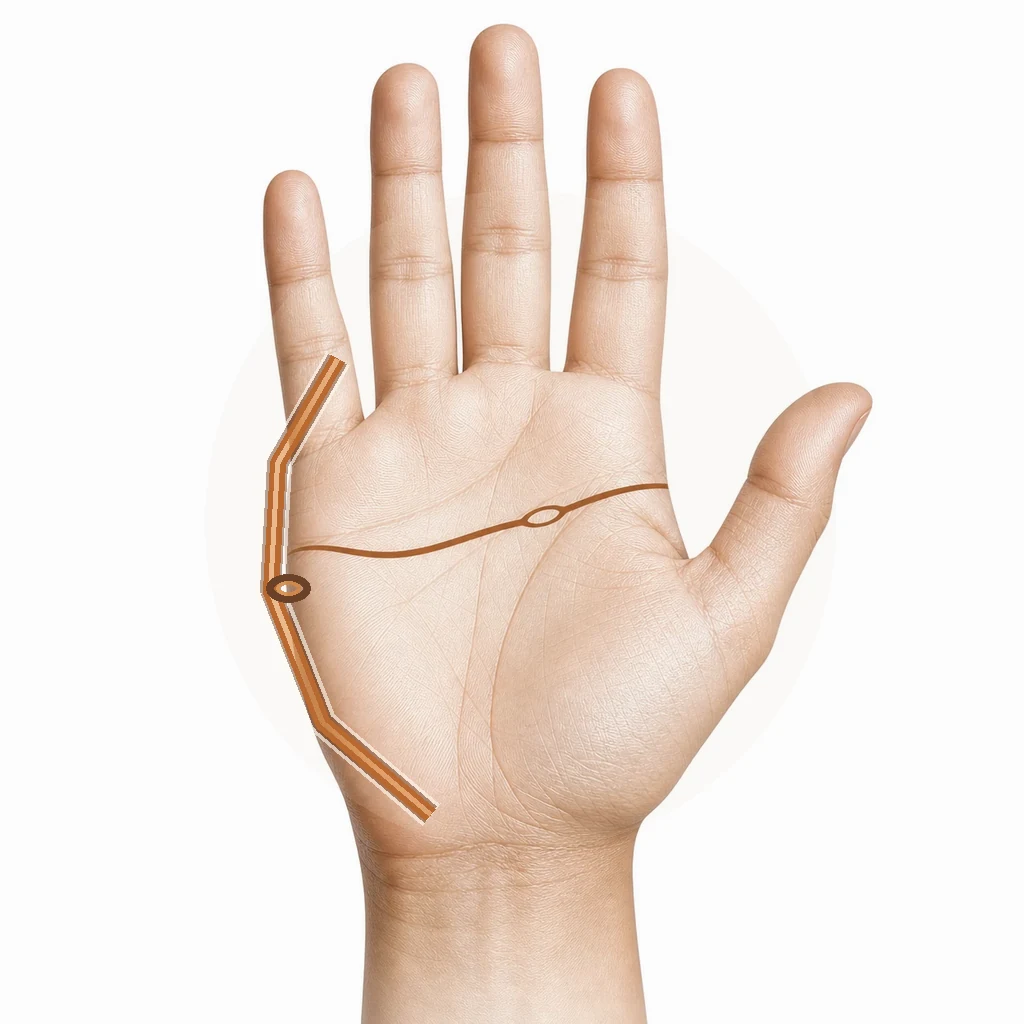
AI systems, particularly those with image recognition capabilities, can analyse a photograph of a palm, identify major and minor lines, and generate descriptions based on palmistry frameworks. In that mechanical sense, yes, AI can do palmistry.

What AI cannot do is validate the underlying tradition. The predictive and personality claims in palmistry are not scientifically supported, and applying them with a machine learning model does not change that. An AI reading a palm is applying an unverified framework, just as a human reader is.

Where AI differs from a human reader is that it does not use cold reading, body language, or social cues to shape the reading. This could make AI readings either more or less accurate depending on how much of a human reader's apparent accuracy comes from observing the person rather than the palm.
AI capability map

What the model can detect versus what it cannot know

Can do

Describe visible features, compare lines, and apply a learned palmistry framework.

Cannot do

Verify future events, hidden facts, spiritual claims, or medical conclusions.

02WHAT AI DOES

What AI palmistry tools actually do

Most AI palm reading tools use one of two approaches. Computer vision models scan an uploaded image and attempt to detect and classify palm lines, mounts, and hand shape, then map these to a palmistry framework to produce a reading. Language models like ChatGPT can describe an uploaded palm image and apply traditional palmistry interpretations to what they observe.

Neither approach has access to anything the image does not show. AI cannot sense energy, consult a tradition's accumulated wisdom in any verified sense, or access information about a person beyond what is visible in the photograph. The reading is a pattern match between observed features and a text database of palmistry interpretations.

05AI VS HUMAN

AI palmistry versus human palmistry

Cold reading

Human Reader

Often present (unconsciously)

AI Reader

Absent

Line detection

Human Reader

Trained eye, variable

AI Reader

Consistent, image-dependent

Framework applied

Human Reader

Cultural tradition, varies by school

AI Reader

Programmed framework, varies by app

Predictive accuracy

Human Reader

Not verified

AI Reader

Not verified

Personalisation

Human Reader

High (via interaction)

AI Reader

Low (image only)

03ACCURACY

The accuracy question

AI palm readings inherit all the accuracy limitations of palmistry itself. The tradition has not been verified by controlled study, and running it through a machine learning model does not generate new evidence for its claims. AI adds consistency and speed, not validity.

04AI PALM MYTHS

Myth versus reality

Myth

AI palmistry is more accurate because it removes human bias.

Reality

Removing cold reading removes one source of apparent accuracy. The underlying palmistry framework remains unverified regardless of who applies it.

Myth

AI can read things in the palm that a human would miss.

Reality

AI image recognition may identify faint lines a human might overlook, but identifying a line and correctly interpreting it are separate problems. The second is not solved by better detection.

Myth

AI palmistry apps have been trained on millions of readings so they must be accurate.

Reality

Training on large datasets makes a model consistent, not correct. A model trained on astrology predictions would be consistent about astrology, not accurate about the future.

06DECISION TEST

The decision test

Should you trust an AI palm reading more than a human one for important decisions?

No. Neither has verified predictive accuracy. Use both as prompts for reflection, not as sources of fact.

07PERSPECTIVE

Perspective

There is something almost poetic about training a pattern recognition system on a tradition that is itself about finding patterns in skin. The question is whether either the skin or the algorithm is actually saying something true, or whether we are just very good at finding shapes and calling them meaningful.

08TAKEAWAYS

Verdict

AI can identify palm lines and apply palmistry frameworks using image recognition.

Supporting Finding

This does not validate palmistry's predictive or personality claims.

Important Limit

AI readings differ from human readings mainly in the absence of cold reading.

Practical Use

Both should be treated as entertainment or reflection tools, not forecasting instruments.

09FAQ

FAQ

Common follow-up questions

Are there dedicated AI palmistry apps?

Yes, several apps use computer vision to scan palm images and generate readings. Their accuracy claims are not independently verified.

Can ChatGPT read my palm?

Current image-capable ChatGPT models, including GPT-5.5 in ChatGPT, can analyse a palm image you upload and describe what they see using palmistry frameworks. They should still note that they cannot verify the tradition's predictive claims.

Is AI palmistry better than a random reading?

It may be more consistent than a random reading, but consistency is not the same as accuracy. A consistently applied unverified system is still unverified.