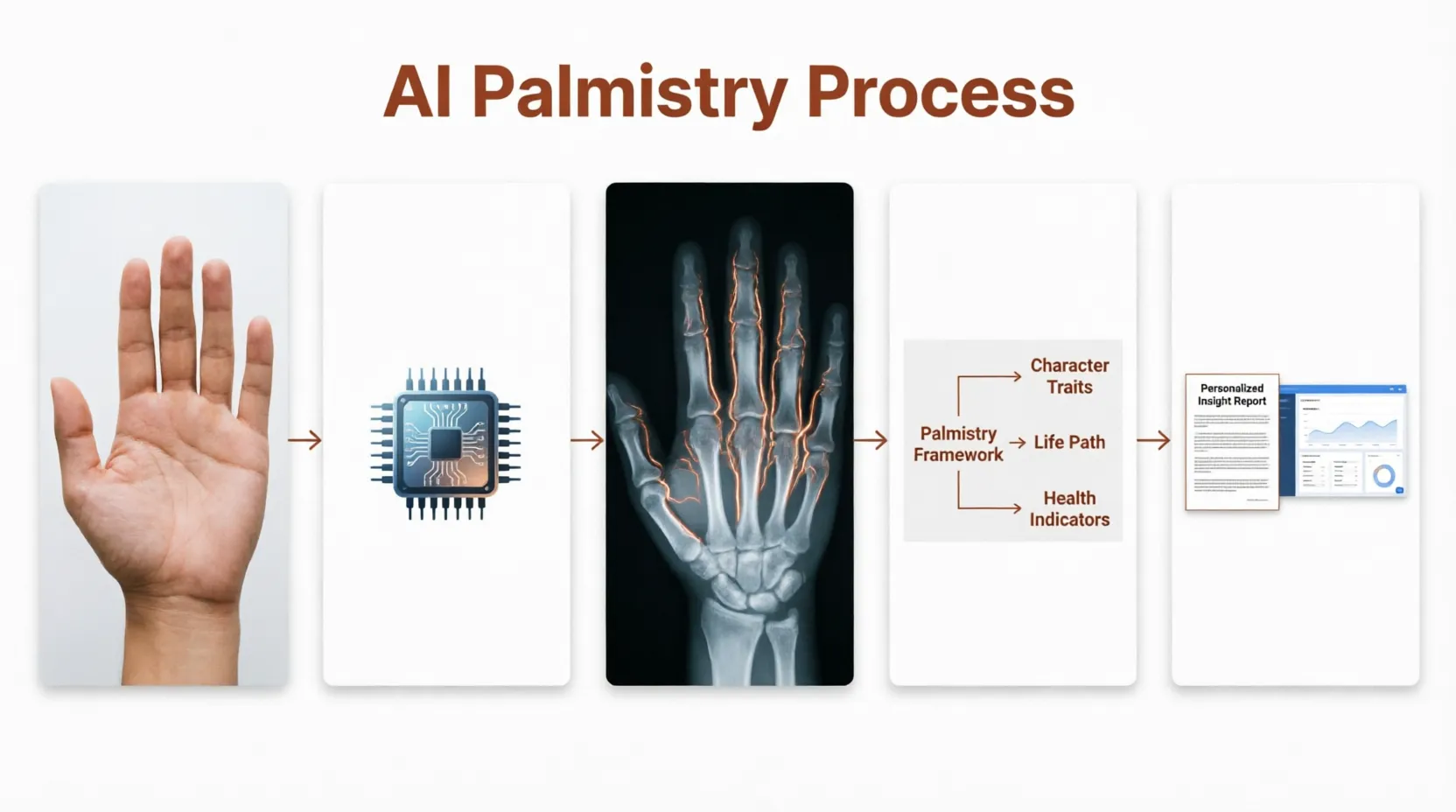
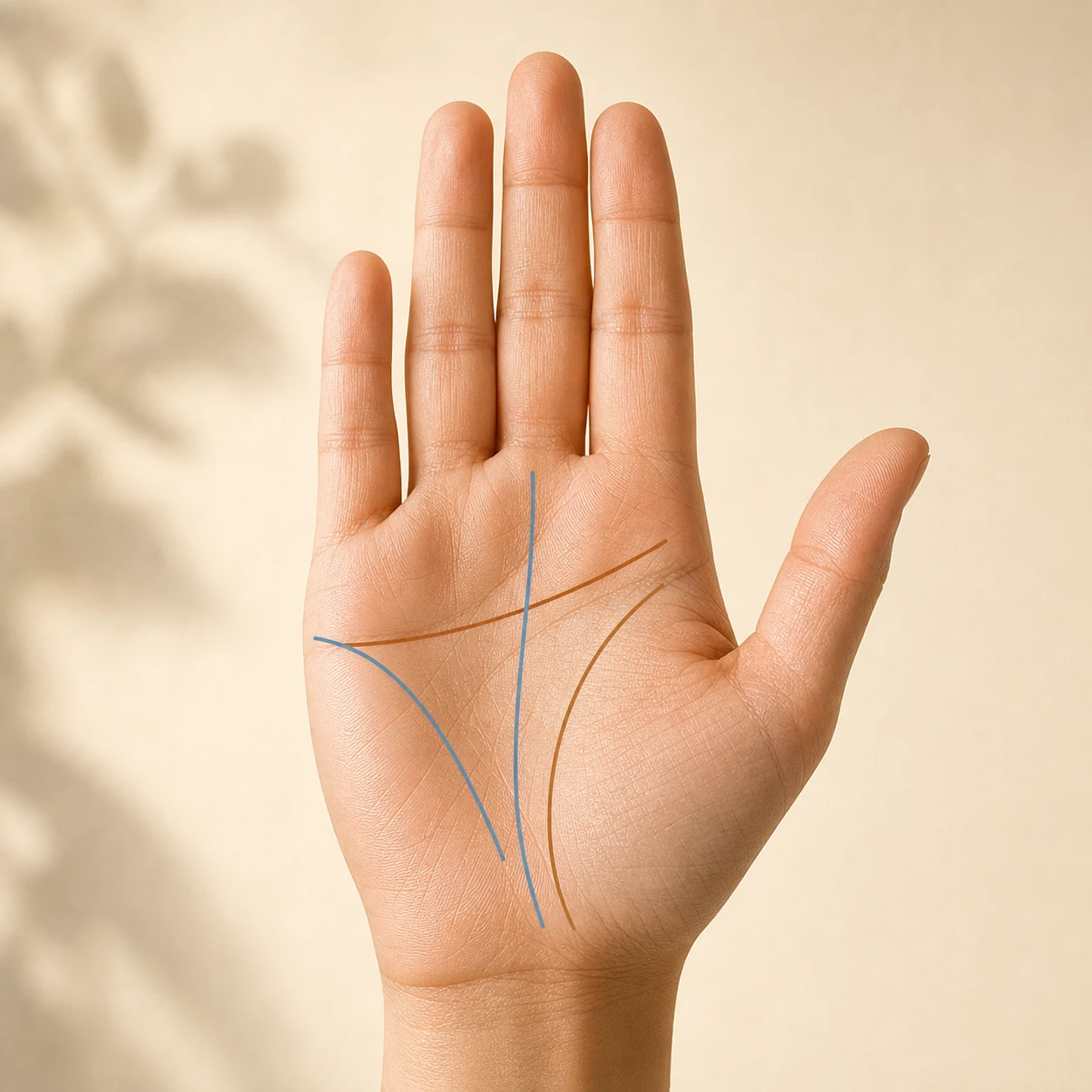
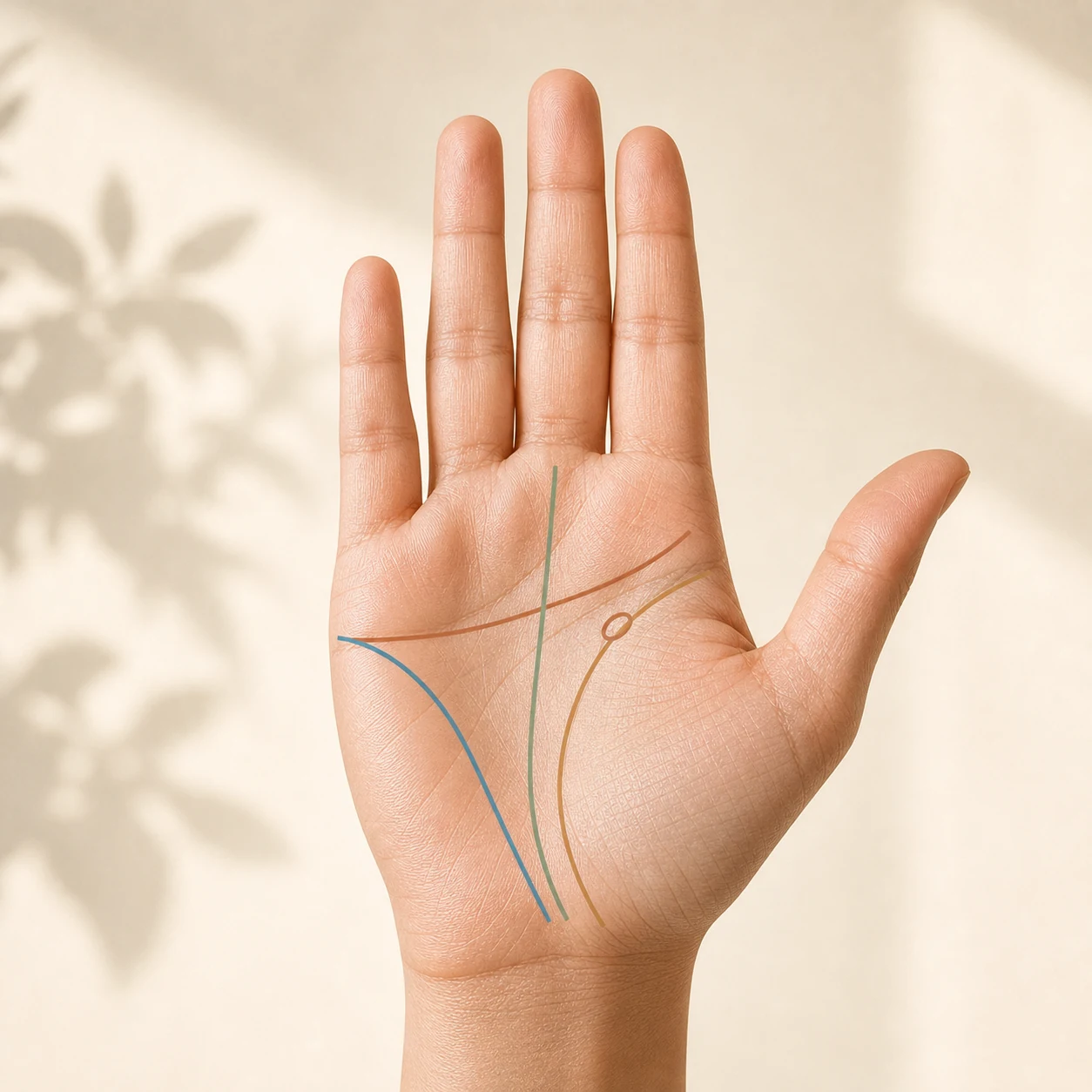
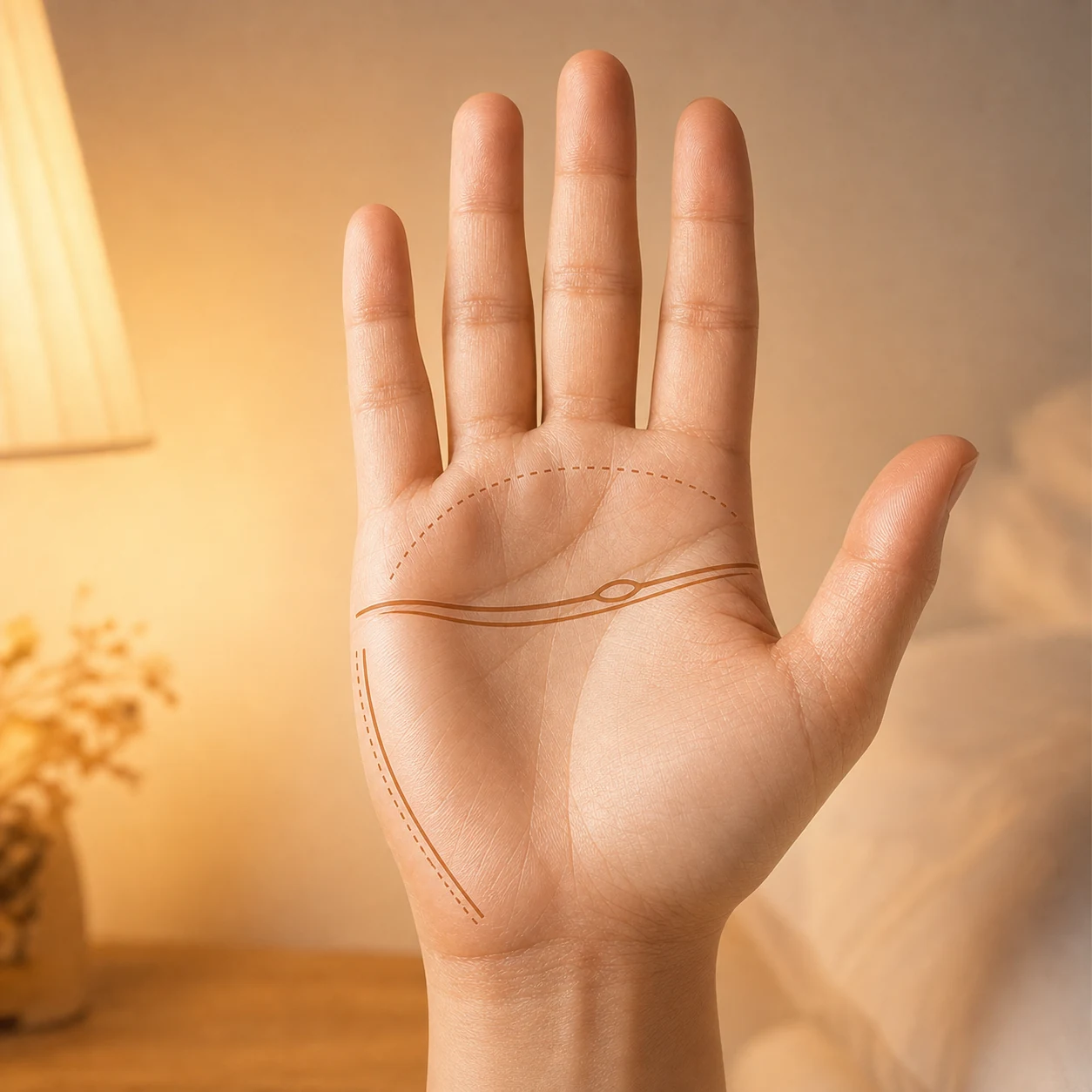
Getting a palm reading from ChatGPT takes about two minutes once you know what you are doing. The preparation mostly comes down to the quality of your photograph.
A few simple steps separate a vague, hedged output from a detailed and genuinely interesting reading.
Quick answer
Upload a clear, well-lit photo of your open palm to ChatGPT using GPT-5.5 or the current image-capable ChatGPT model, then ask it for a palmistry-style reading. Good lighting and a flat, open hand are the two most important factors.
2 to 5 minutesTime Required
GPT-5.5 or image-capable ChatGPTModel Needed
Image QualityKey Factor
ChatGPT Plus or free tierCost
01Overview
Overview
What you need
You need a ChatGPT account with access to image input. As of June 2026, that usually means using GPT-5.5 or whatever current ChatGPT model supports image analysis in your plan. Text-only models cannot see your palm and cannot do this.
You also need a clear photograph of your palm. This is the single biggest factor in the quality of the reading. A blurry, shadowed, or partially closed hand image will produce a less detailed result.
That is genuinely all that is required. No special prompts or paid add-ons are needed, though knowing how to ask will shape the kind of reading you get.
02TAKING THE PHOTO
Visual guide
Taking a good palm photo
The quality of your palm photo directly determines the quality of the reading ChatGPT can provide.
1Even lightingNatural daylight or a lamp directly above. Avoid shadows across the palm.
2Flat, open handFingers together, palm fully extended. Do not let fingers curl.
3Camera directly aboveShoot straight down onto the palm, not at an angle.
4Clean backgroundA plain white or light surface behind the hand helps line detection.
5Both hands optionalYou can photograph both and send two images for a fuller reading.
03STEPS
Step by step
Step 1: Open ChatGPT and make sure the chat supports image upload and analysis. In June 2026, GPT-5.5 is the current ChatGPT model family to look for, but the safer rule is simple: if the input bar lets you attach an image and the model can describe it, you are in the right mode.
Step 2: Take a photograph of your palm using the guidance above. Good lighting is the single most important factor. If lines are hard to see, try photographing under a lamp or in bright daylight.
Step 3: In ChatGPT, click the image attachment icon (paperclip or image icon in the input bar) and upload your photo.
Step 4: Type your request alongside the image. A good starting prompt is: "Please give me a detailed palmistry reading based on this image. Describe what you observe on each major line before interpreting it." This asks ChatGPT to separate observation from interpretation, which makes the reading easier to evaluate.
Step 5: Read the output. ChatGPT will typically describe the life line, heart line, head line, and any other visible features, then offer interpretations in each area. It will usually include a note that palmistry is not scientifically verified. That note is accurate.
04BETTER PROMPTS
Getting more from the reading
You can ask follow-up questions to go deeper on any area. Try asking "what does the heart line suggest about how I relate to others?" or "can you explain the fate line in more detail?" Asking ChatGPT to tell you which parts it is less confident about (due to image quality or ambiguity) will also give you a more honest picture of the reading's limits.
05COMMON MISTAKES
Common mistakes
Myth
A screenshot of a palm drawing will work as well as a real photo.
Reality
ChatGPT needs an image of your actual palm to identify your specific lines. A generic illustration produces a generic reading.
Myth
The more detail you ask for, the more accurate it becomes.
Reality
More detail produces a longer reading, but accuracy is still constrained by the image quality and the unverified nature of palmistry frameworks.
Myth
If ChatGPT says it cannot see the lines clearly, try a different angle.
Reality
Flat, evenly lit, and straight-on is almost always better than angled. The issue is usually lighting, not angle.
06EXAMPLE PROMPTS
Example prompts
General reading
"Please give me a palmistry reading based on this palm image. Describe what you observe on each line before interpreting it."
Focused reading
"Focus on the heart line and what it might suggest about how I approach relationships."
Reflective reading
"Based on what you can see, what questions might be worth reflecting on in my personal life?"
07DECISION TEST
The decision test
Should you make any real decision based on the reading you get?
No. Treat it as a starting point for reflection, not as a source of facts. ChatGPT will typically say this too.
08TAKEAWAYS
Summary
You need an image-capable ChatGPT model, currently GPT-5.5 in ChatGPT, and a clear palm photograph.
Supporting Finding
Good lighting and a flat, open hand are the two most important photo factors.
Important Limit
Ask ChatGPT to describe what it observes before interpreting for a more transparent reading.
Practical Use
Treat the output as a reflective tool, not a predictive one.
09FAQ
FAQ
Common follow-up questions
Does ChatGPT palmistry work on mobile?
Yes. The ChatGPT mobile app supports image uploads on current image-capable models such as GPT-5.5. You can photograph your palm and upload it directly within the app.
Which hand should I photograph?
Many traditions read the dominant hand as your lived experience and the non-dominant as your potential. You can ask ChatGPT to read either or both and explain the difference.
Can I use Claude or Gemini instead of ChatGPT?
Yes. Other image-capable AI assistants can also analyse palm images and apply palmistry frameworks. The process is the same: upload a clear image and describe what you want.
10RELATED
Keep Exploring
If one line can supposedly reveal a future, what else do palmists claim to see?
Follow the questions readers most often ask next.
Reading Guides · 14 Questions
Practical walkthroughs for reading palm features while separating observation from interpretation.