Palmistry and Personality

What Does Palmistry Say About Personality?

Long fingers, short fingers, spatulate tips, knotty knuckles. Palmistry has a elaborate system for reading personality from the shape of your hand.

Does the shape of your hand actually reveal who you are? Or is palmistry just very good at telling you what you want to hear?

Personality palmistry is like a mirror. It shows you what you bring to it.

Quick answer

Palmistry describes personality using hand shapes, finger lengths, and mount development. The system is traditional and descriptive, not evidence based. It can be useful for self reflection but not for psychological diagnosis.

No Evidence based?Yes Traditional system?Yes Useful for reflection?No Diagnostic?
Different hand shapes: long fingers, short fingers, square palm
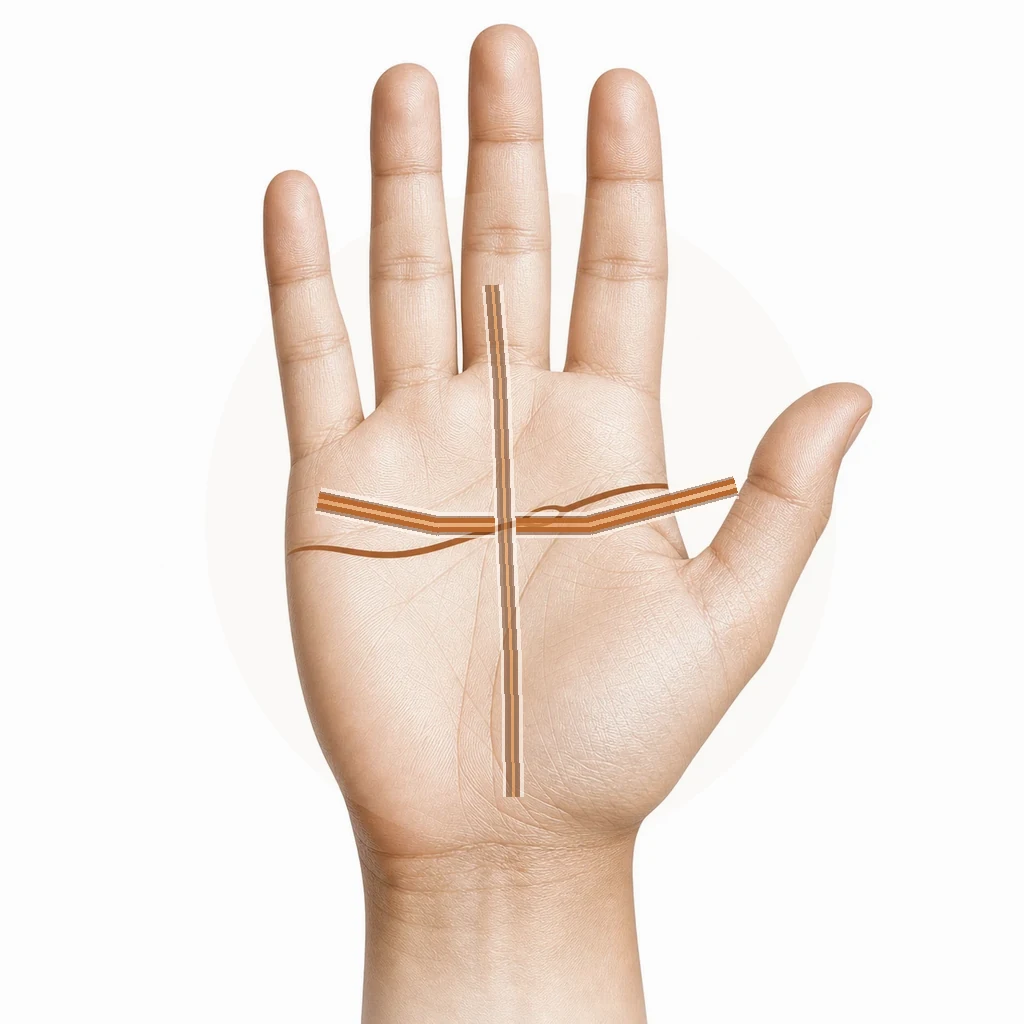
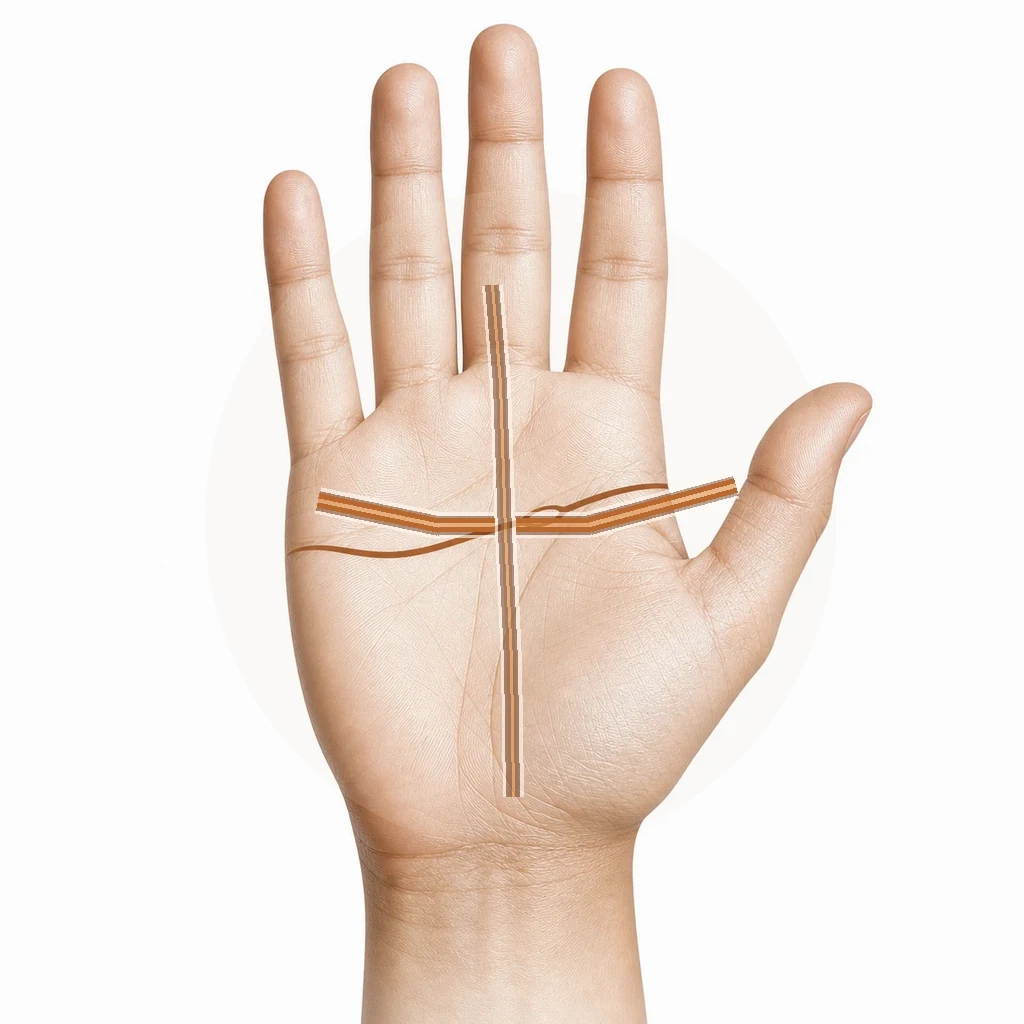
Editorial image, four different hand shapes side by side, illustrating finger length and palm shape variation.
01Overview

Overview

The short answer

Palmistry categorises hands into types based on shape. The most famous system has seven types: the elementary hand, the square hand, the spatulate hand, the philosophic hand, the conic hand, the psychic hand, and the mixed hand.

Each type is associated with a personality. The square hand belongs to practical, organised people. The conic hand belongs to artistic, impulsive people. The spatulate hand belongs to energetic, original people.

This system is traditional and descriptive. It has not been validated by psychological research. But as a framework for self reflection, many people find it useful.
03SHAPE EXAMPLES

Visual guide

Hand shape examples

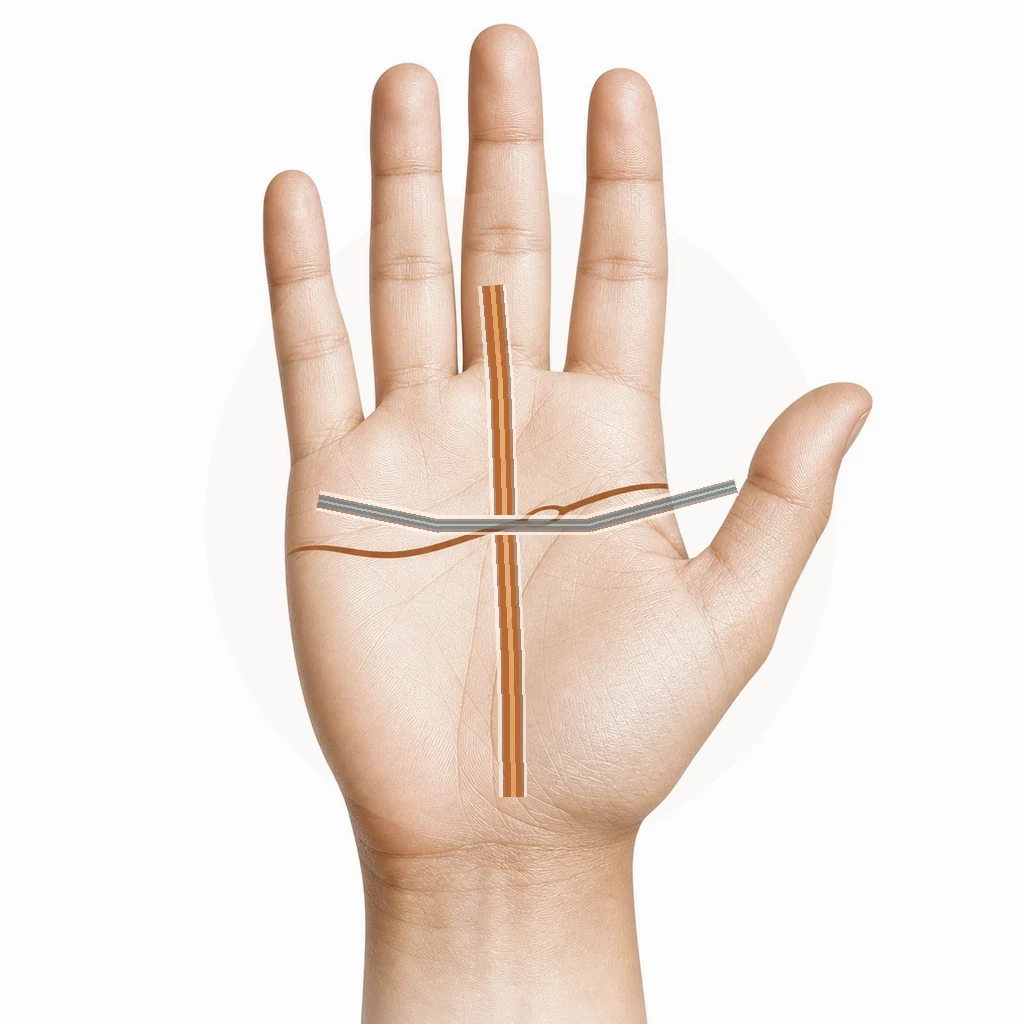
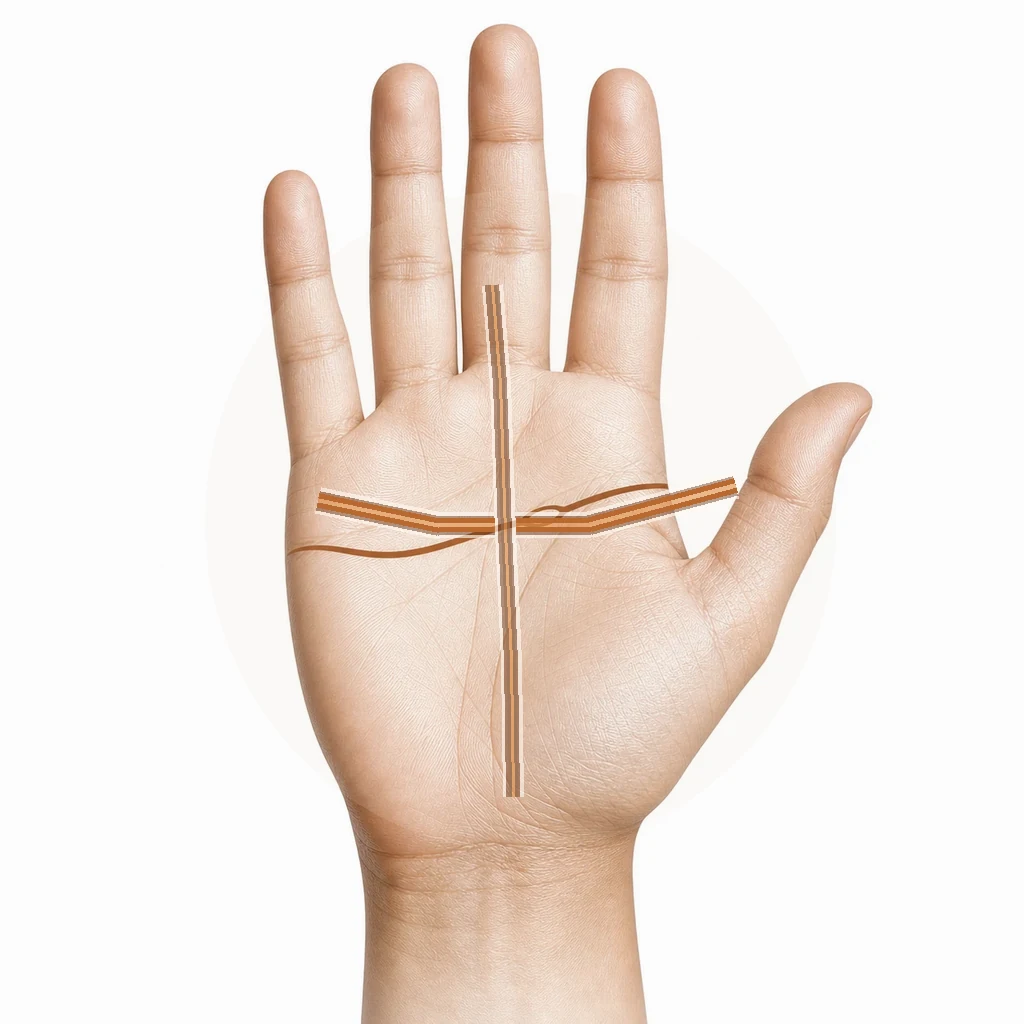
The seven traditional hand shapes.

  1. 1ElementaryBroad, thick, short fingers.
  2. 2SquareSquare palm and fingers.
  3. 3SpatulateBroad fingertips.
  4. 4PhilosophicLong, knotty fingers.
  5. 5ConicTapering fingers.
  6. 6PsychicVery long, slender.
  7. 7MixedCombination.

Meaning entry

Definition, placement, and common variations

This template treats the page like an encyclopedia entry: visual first, interpretation second, caveats last.

02HAND SHAPES

The seven hand shapes

The elementary hand: broad, thick, with short fingers. Personality: stubborn, practical, physical, content with simple pleasures.

The square hand: palm and fingers both square, knots at the joints. Personality: organised, disciplined, logical, good with detail.

The spatulate hand: fingers broad at the tips, widening like a spatula. Personality: energetic, original, restless, inventive.

The philosophic hand: long fingers, knotty knuckles, angular palm. Personality: analytical, thoughtful, drawn to philosophy and science.

The conic hand: smooth fingers, tapering tips, rounded palm. Personality: artistic, impulsive, intuitive, loves beauty.

The psychic hand: very long fingers, slender palm, smooth skin. Personality: intuitive, idealistic, drawn to spiritual things.

The mixed hand: features of multiple types. Personality: adaptable, versatile, hard to categorise.

05PERSONALITY MYTHS

Myth versus reality

Myth

Your hand shape determines your personality.

Reality

Personality is shaped by genetics, environment, and experience. Hand shape is a rough physical feature.

Myth

People with the same hand shape have the same personality.

Reality

They do not. Variation within types is enormous.

Myth

Hand shape cannot change.

Reality

Hand shape can change with age, weight, and use. Personality changes too.

08TAKEAWAYS

Verdict

Palmistry describes personality using hand shapes, finger lengths, and mounts.

Evidence Status

The system is traditional, not evidence based.

Practical Use

It can be useful for self reflection but not for diagnosis.

Practical Use

Do not mistake the description for a prescription.

09FAQ

FAQ

Common follow-up questions

Is hand shape typing accurate?

It is not scientifically validated. It can feel accurate due to the Barnum effect.

Can I change my hand shape?

Hand shape can change with age, weight, and use. Your personality can too. Neither is fixed.

Which hand shape is best?

None. The system describes differences, not hierarchies.