Palmistry Predictions

Can Palmistry Predict Accidents?

Some older palmistry texts contain a dark claim: certain marks on the life line, the head line, or the mounts can predict accidents. A break here. An island there. A cross in a specific place.

But is there any truth to this claim? Or is it one of palmistry's most harmful traditions?

Accident prediction is palmistry's darkest corner.

Quick answer

No. Palmistry cannot predict accidents. Older texts contain speculative claims about "accident marks," but these have no evidentiary basis and are rejected by modern, responsible palmists as harmful.

No Predicts accidents?Yes Old texts claim?Rejected Modern view?High Harm potential?
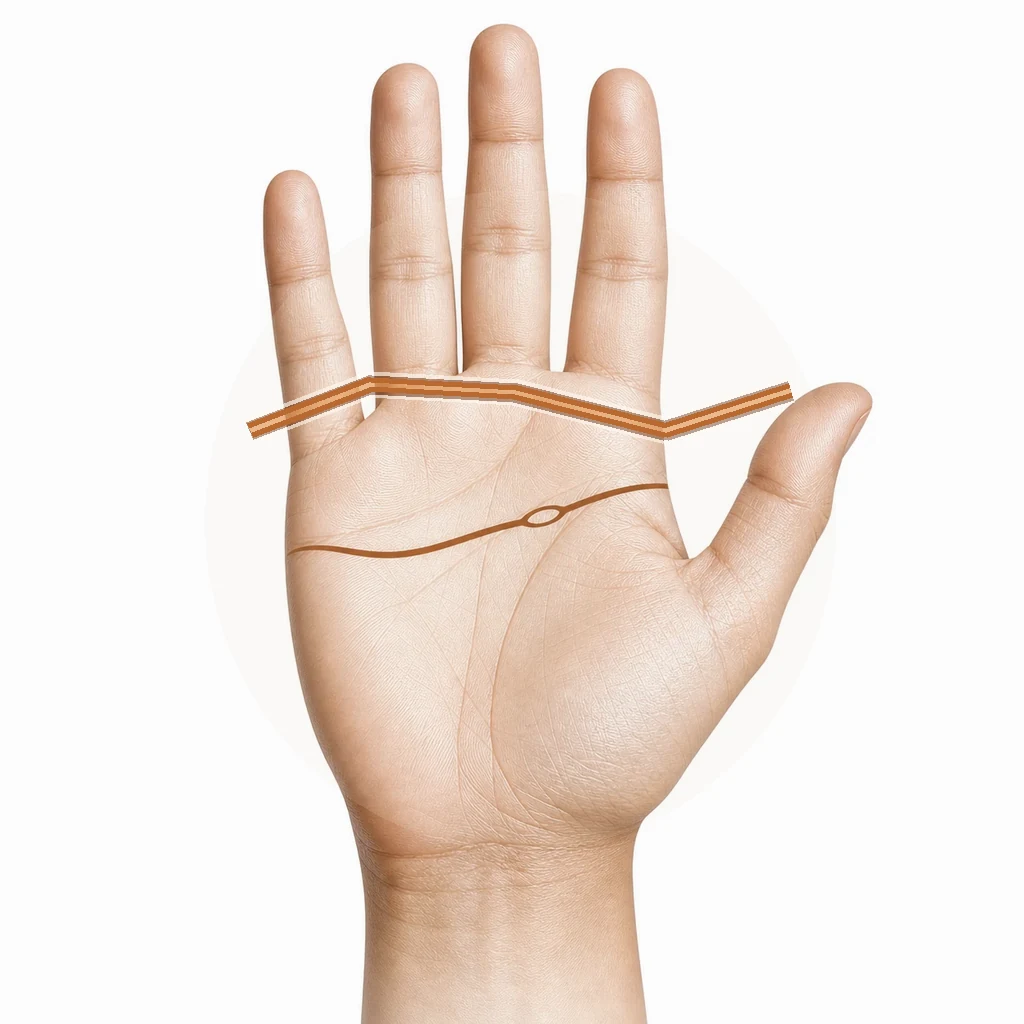
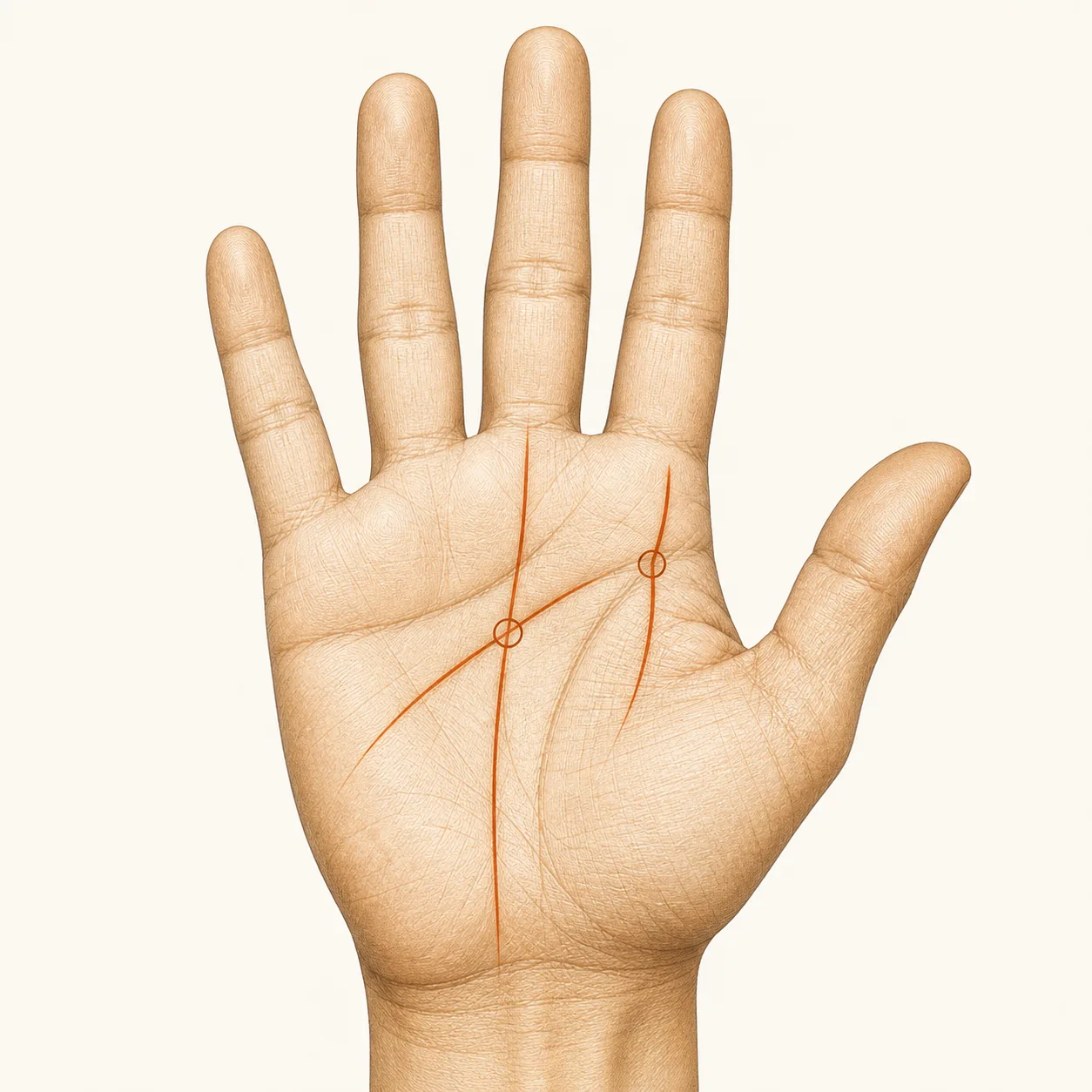
Hand with a life line and a cautionary mark highlighted
Editorial image, open palm, soft cautionary amber tone, questioning but not alarming.
01Overview

Overview

The short answer

Some older palmistry texts, particularly from the 19th and early 20th centuries, claimed that certain marks could predict accidents. A deep break in the life line was said to predict a life threatening accident. An island on the head line was said to predict a head injury. A cross on a mount was said to predict a sudden accident.

These claims have no scientific basis. They have caused significant anxiety and harm. Modern, responsible palmistry rejects accident prediction entirely. No palm reader should ever tell you that your hand shows an impending accident.

If a reader makes this claim, walk away. They are either misinformed or unethical.
02HISTORICAL CLAIMS

What old texts claimed

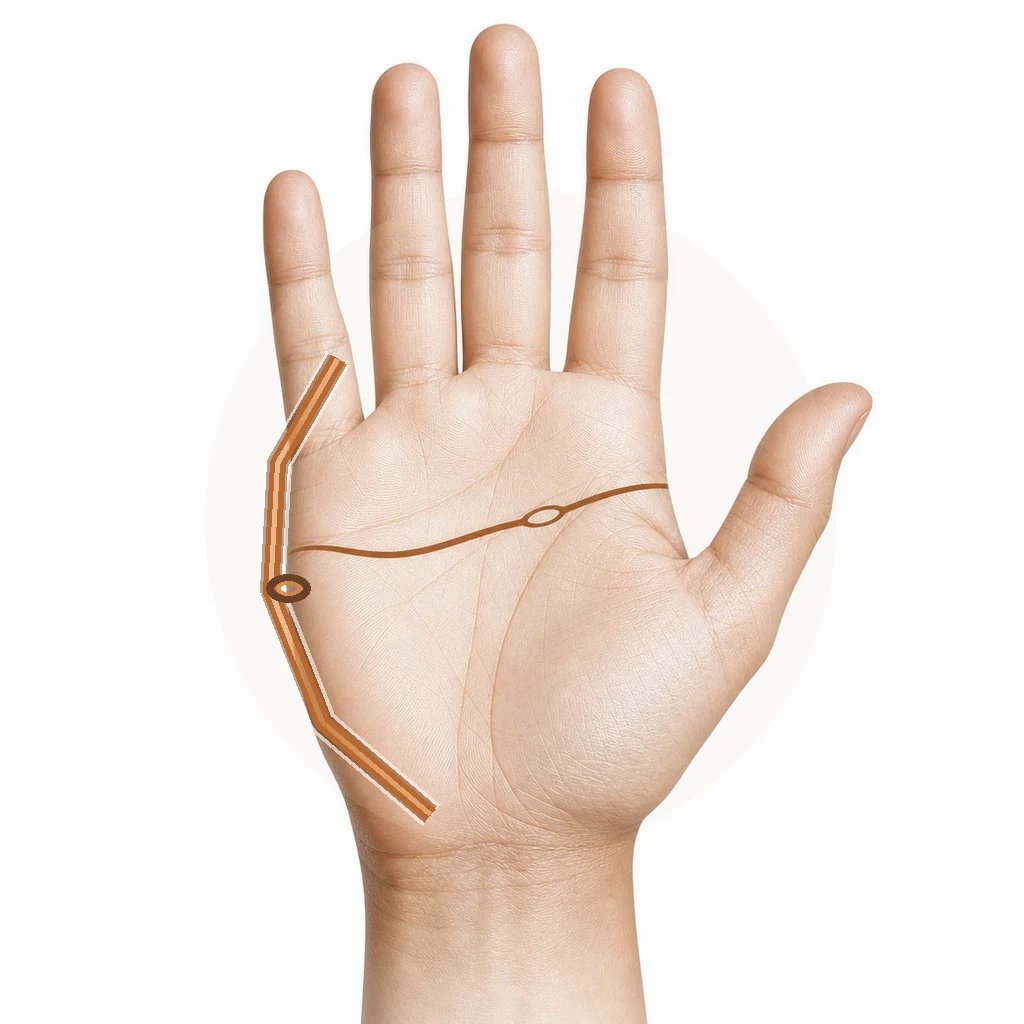
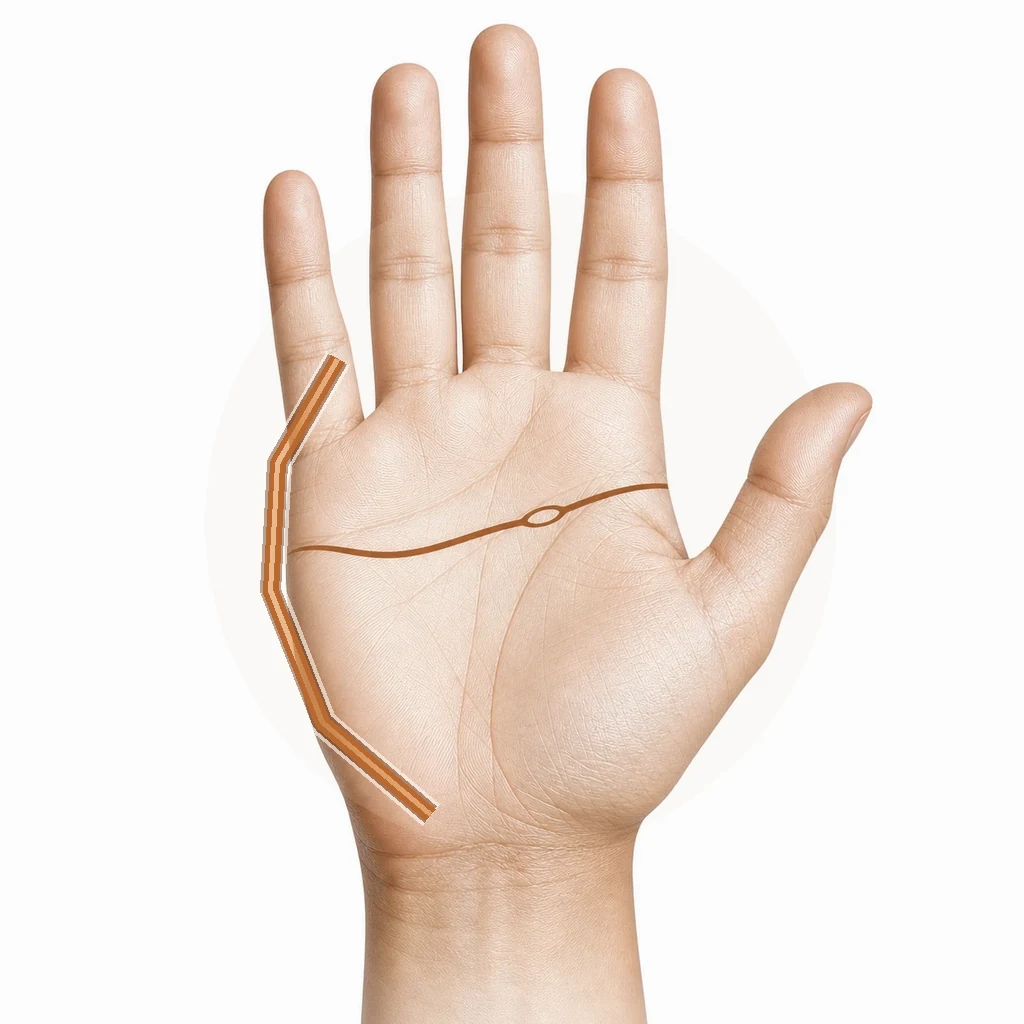
In older palmistry, a clear break in the life line on the dominant hand was sometimes read as a life threatening accident. A small island on the head line was read as a head injury. A red spot or a deep cross on a mount was read as a sudden, violent event.

These interpretations were not based on evidence. They were based on post hoc reasoning: a palmist heard that someone had an accident, looked at their hand, and found a mark to retroactively explain it. That is not prediction. That is pattern seeking.

Modern palmistry has largely abandoned these claims. They are not useful. They are not accurate. And they can cause real harm.

03AN ETHICAL BOUNDARY

An ethical boundary

No responsible palm reader should ever predict an accident. This is not interpretation. This is fear mongering. If a reader tells you your hand shows an accident coming, thank them for their time and leave. They are not practicing ethical palmistry.

04ACCIDENT MYTHS

Myth versus reality

Myth

A broken life line predicts a fatal accident.

Reality

There is no evidence for this claim. It has been rejected by modern palmistry.

Myth

An island on the head line predicts head injury.

Reality

Islands are common. They do not predict injury.

Myth

Old palmists could predict accidents accurately.

Reality

They could not. Confirmation bias explains their apparent "hits."

05DECISION TEST

The decision test

Should you worry about an accident because of a palm mark?

No. Worry is the wrong response. No palm mark predicts accidents. If a reader tells you otherwise, they are wrong.

06PERSPECTIVE

Why this matters

Accident predictions are not harmless fun. They can cause anxiety, paranoia, and even changes in behaviour that create new risks. A responsible palm reader stays far away from this territory. So should you.

07TAKEAWAYS

Verdict

Palmistry cannot predict accidents.

Supporting Finding

Old claims about accident marks have no evidentiary basis.

Reading Context

Modern, responsible palmistry rejects accident prediction entirely.

Reader Guidance

If a reader predicts an accident, find a different reader.

08FAQ

FAQ

Common follow-up questions

Did any famous palmists predict accidents?

Some claimed to. There is no verified evidence of accurate prediction.

Can palmistry show past accidents?

Some readers claim marks indicate past trauma. There is no evidence for this.

Should I avoid palm readers who mention accidents?

Yes. That is a sign of irresponsible practice.