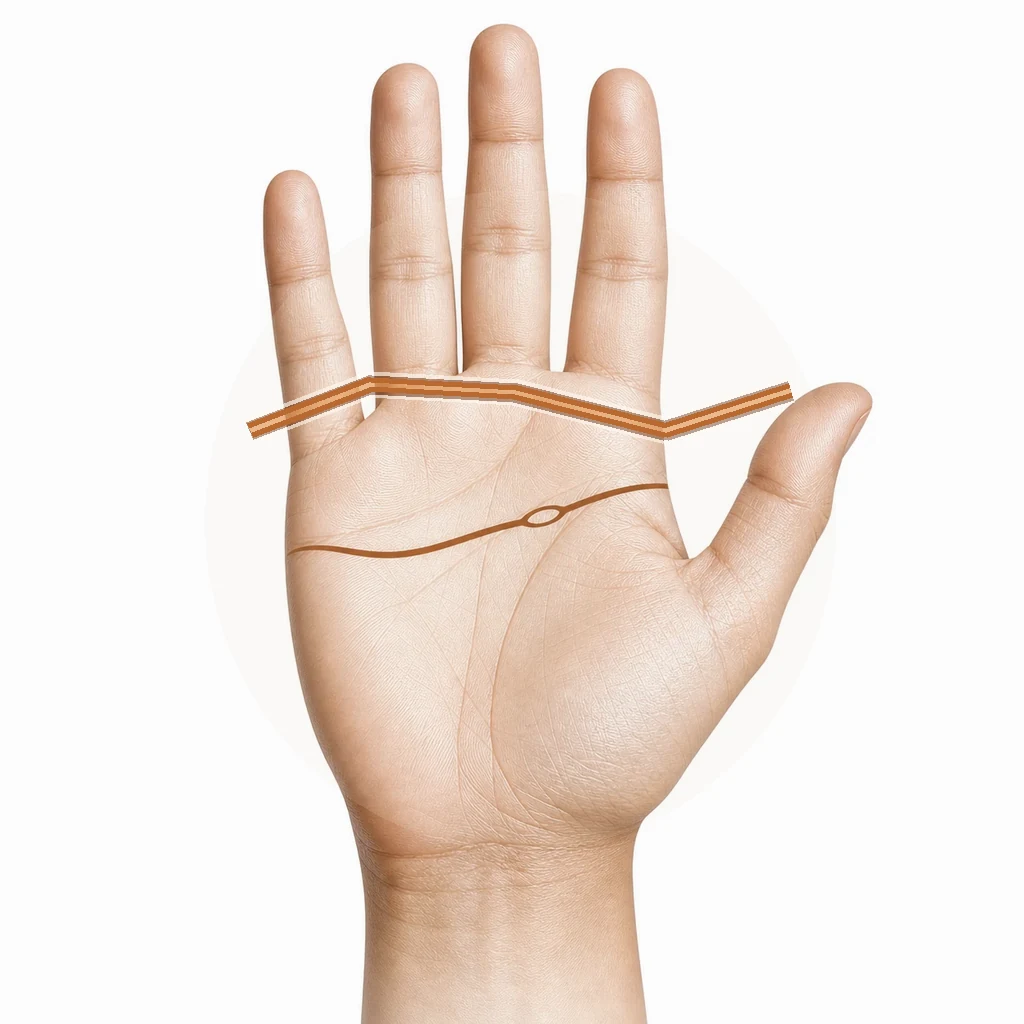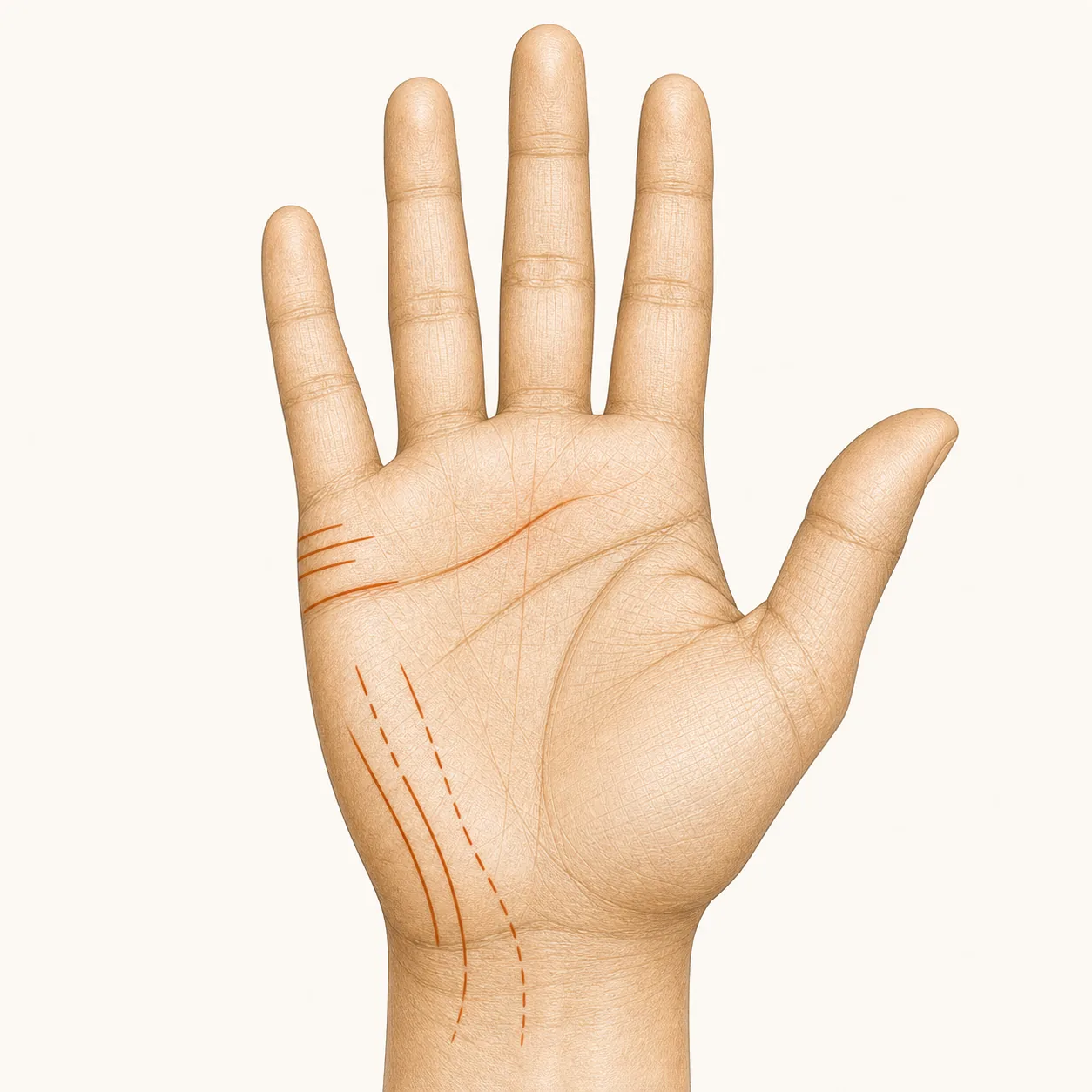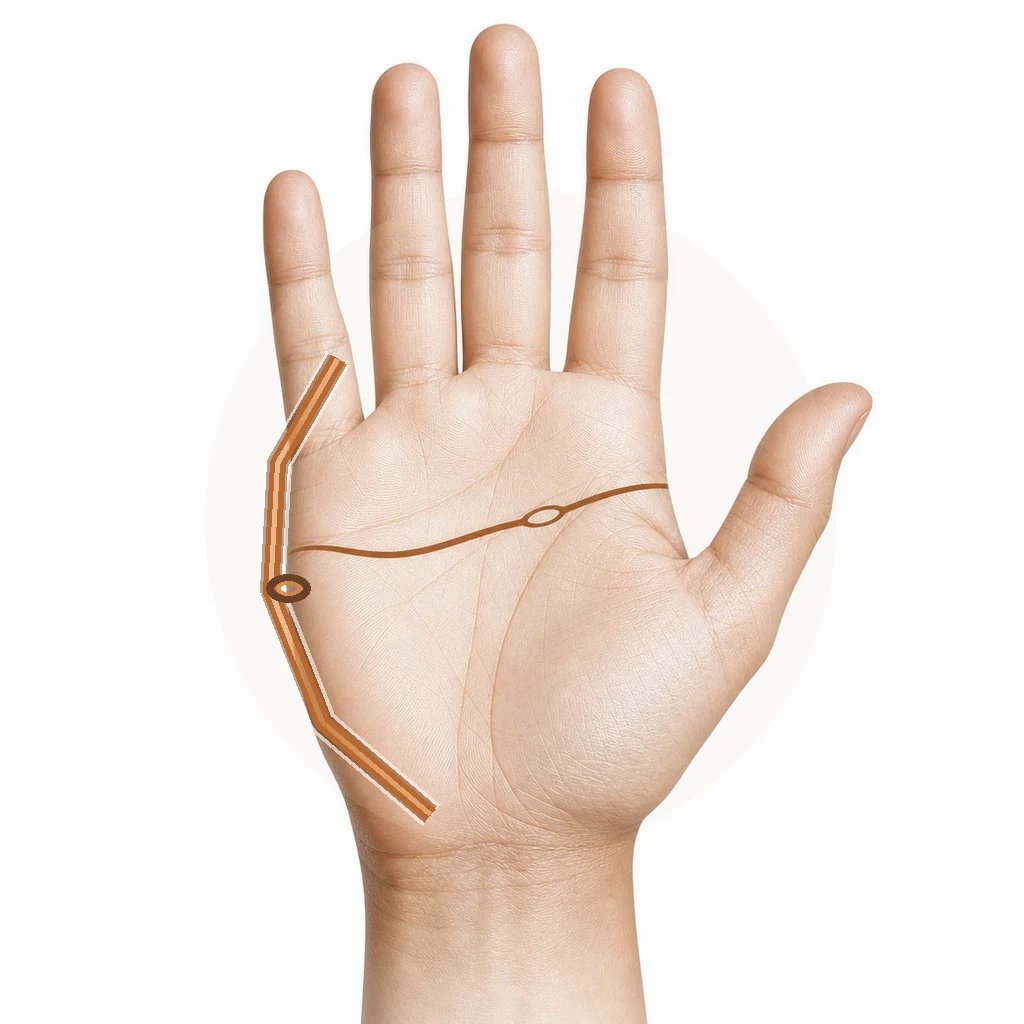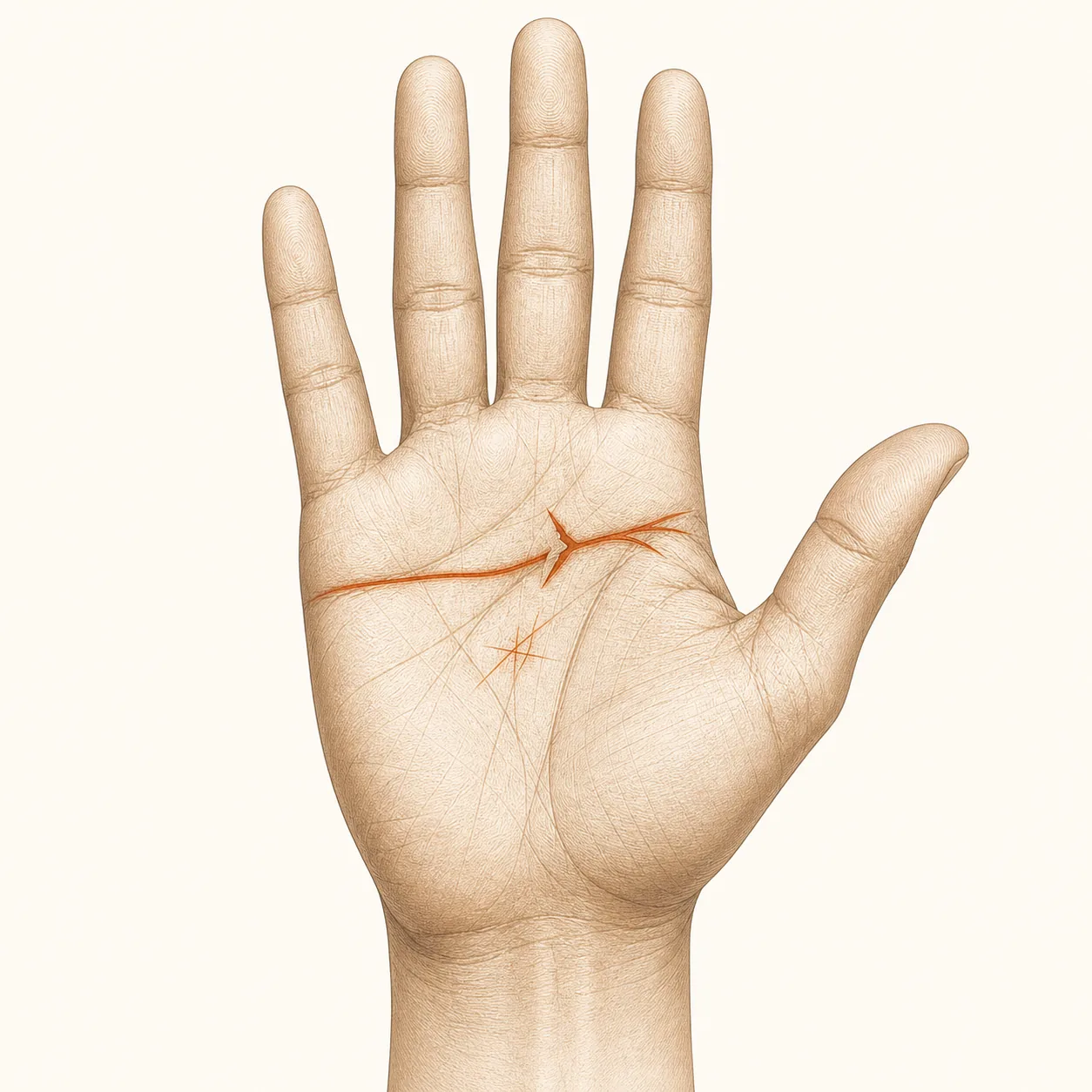
Victorian palmistry was, in many ways, a mirror of Victorian anxieties. People worried enormously about social betrayal — false friends, corrupt business partners, disloyal servants. It is not surprising, then, that the palmistry of that era developed an elaborate vocabulary for identifying treachery in the hand. Lines were catalogued. Marks were named. A whole taxonomy of potential betrayers was assembled, conveniently readable in a person's palm before you decided whether to trust them.
The problem is that none of this taxonomy was ever validated. A palmist who told someone "I see a false friend near you" was working with a base rate near 100% — virtually everyone has experienced betrayal of some kind. It is not a prediction. It is a certainty repackaged as a revelation.
Modern palmistry, to its credit, has largely moved away from this. Responsible readers focus on character tendencies and self-knowledge, not on predicting whether your sister-in-law is plotting against you.