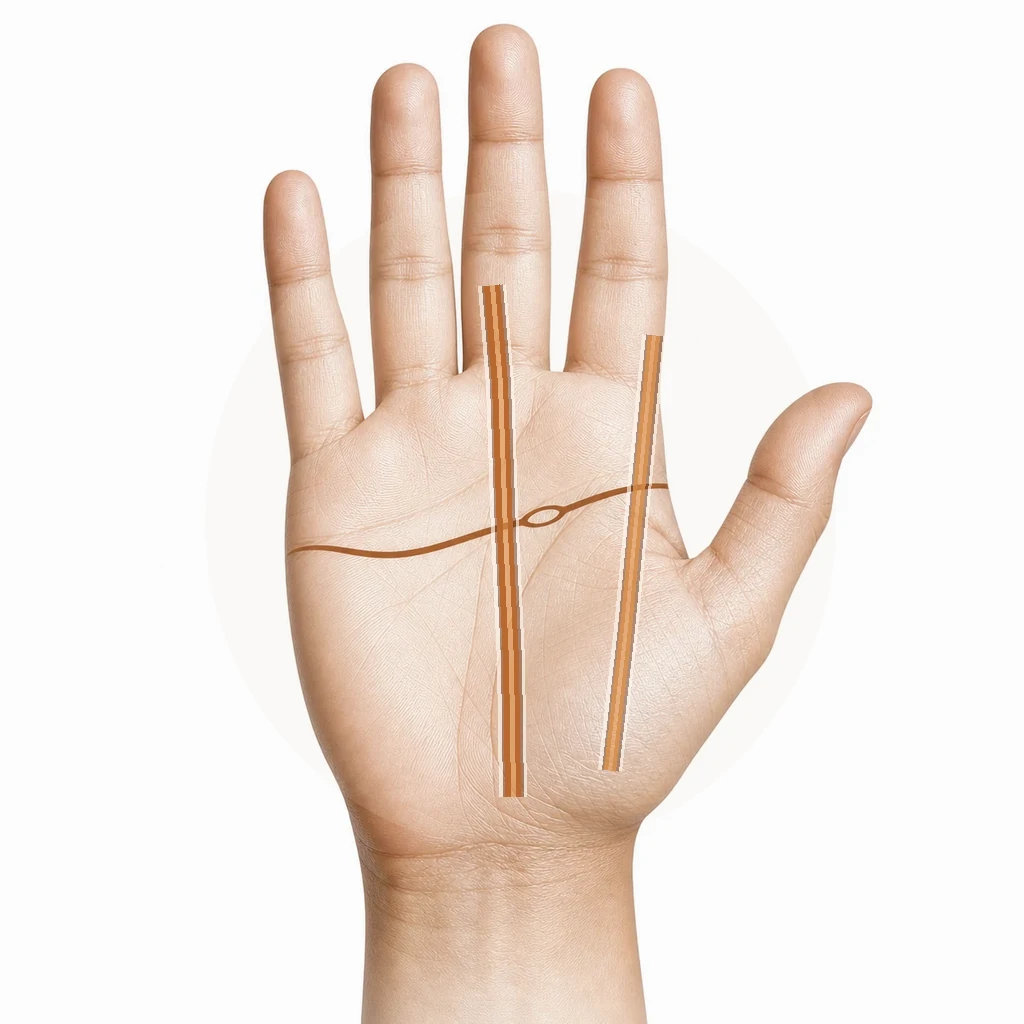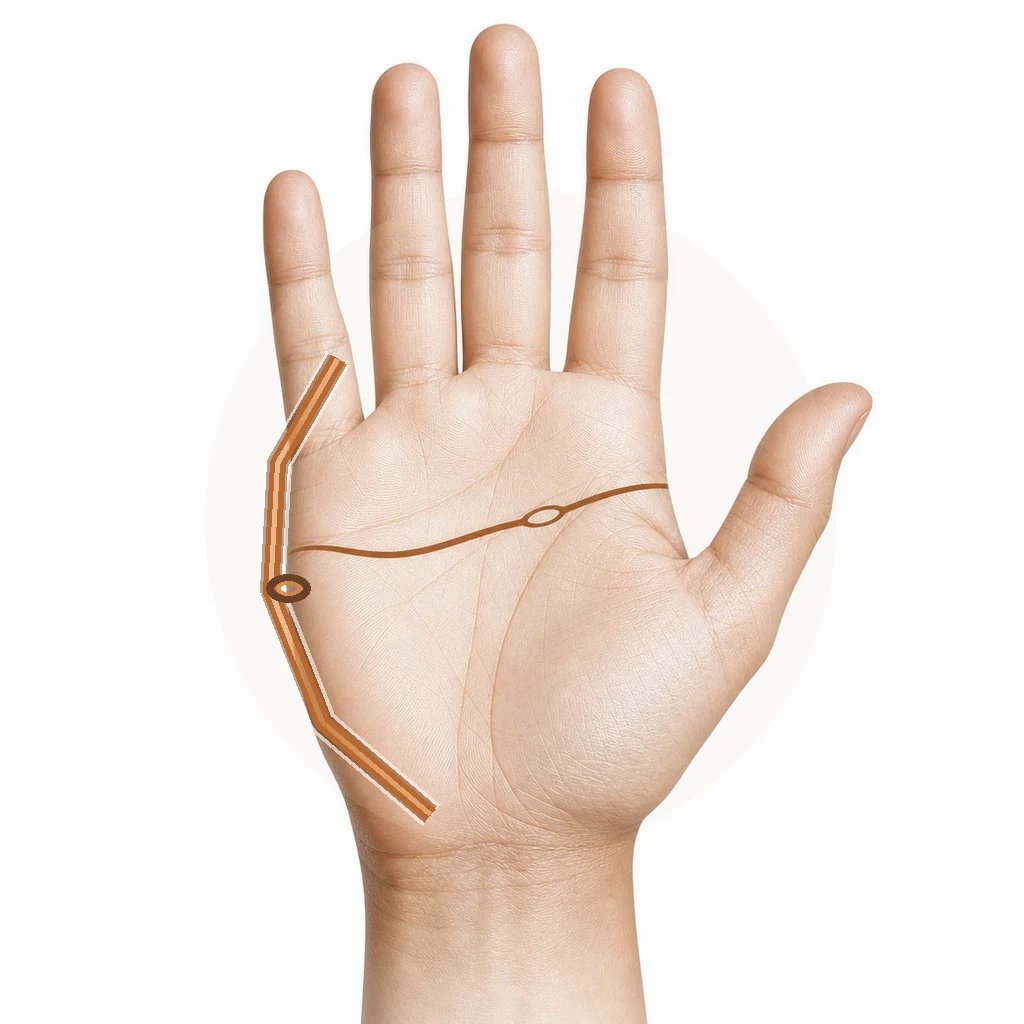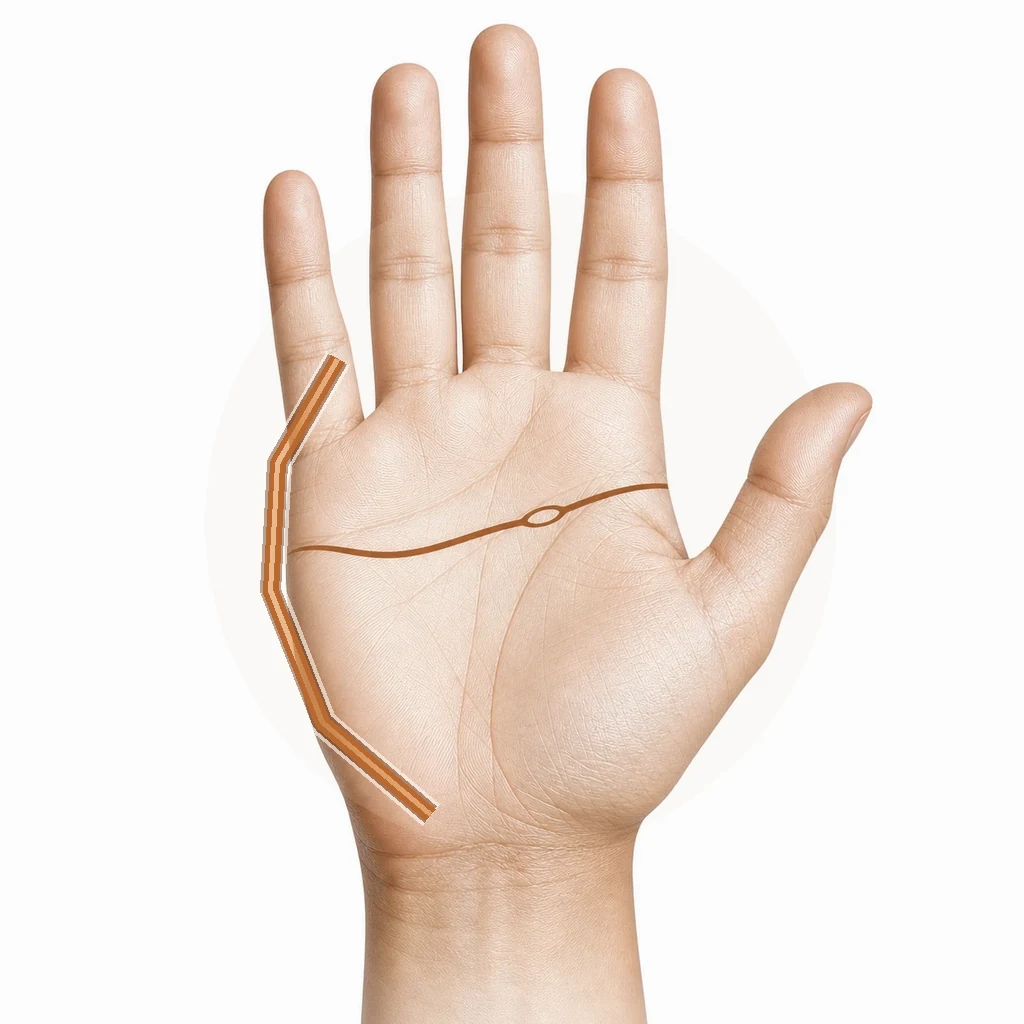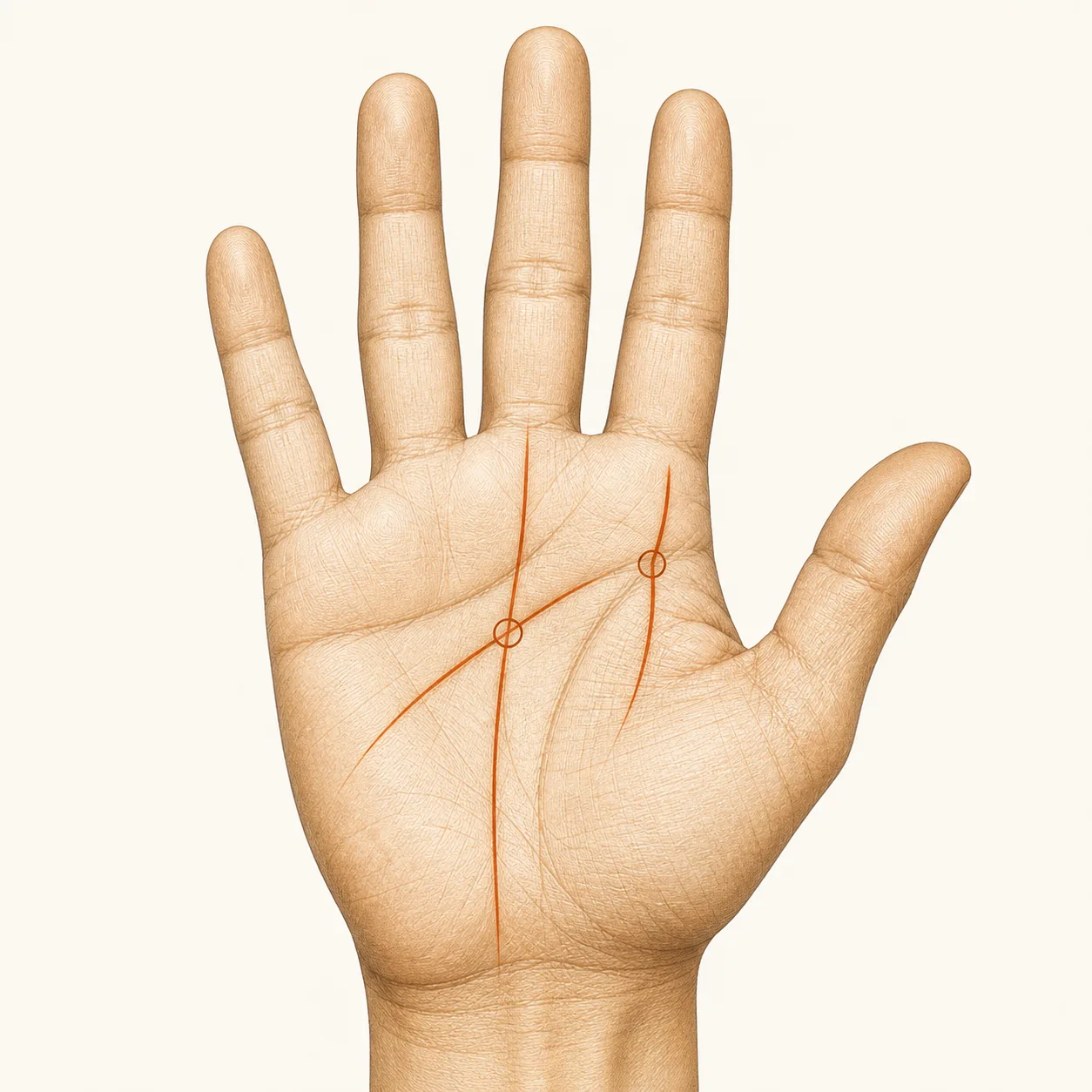
Palmistry's business tradition is rich and surprisingly specific. The head line — which runs horizontally across the upper-middle of the palm — was examined for its relationship to practical versus creative thinking. A straight head line was the mark of the pragmatist, the bookkeeper, the one who got things done. A curved head line dipped toward imagination and creativity. A fork at the end meant someone who could do both, which sounds useful but was also conveniently applicable to almost everyone.
The Mercury finger — the little finger — was traditionally associated with communication, commerce, and cunning, all of which are genuinely useful in business. A long Mercury finger was said to indicate gifts in persuasion and trade. The fate line, meanwhile, was read as an indicator of career trajectory: a deep, straight fate line meant a focused career with clear progression; a faint one meant a meandering path.
What is interesting about all of this is that it is not entirely nonsensical as a character framework. Practical versus creative thinking is a real distinction. Communication skills matter in commerce. But the palm is not where these things are written. They emerge from behaviour, education, experience, and personality — none of which are meaningfully encoded in skin creases.