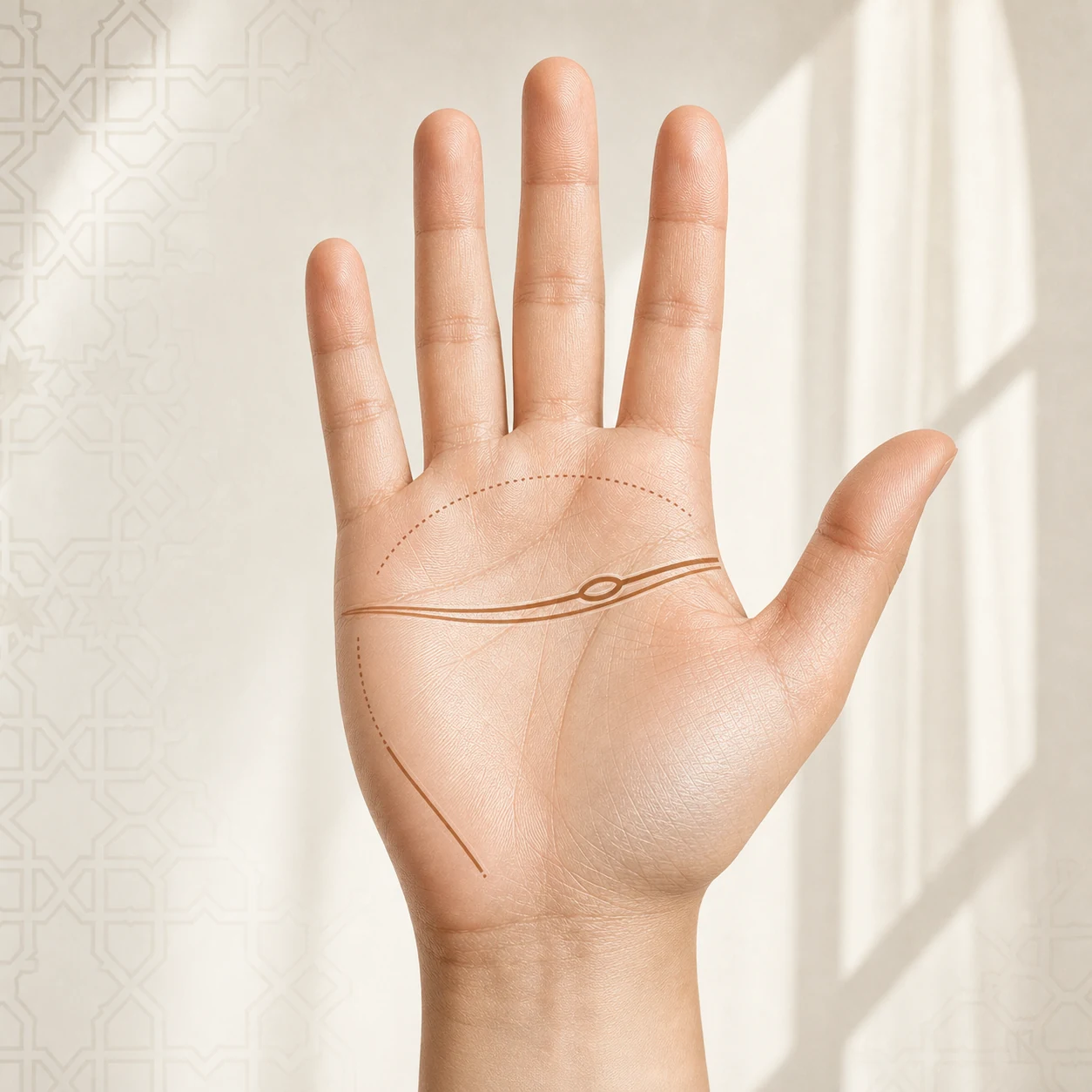
Mainstream Islamic scholars classify palm reading as fortune-telling, which is haram. The reasoning is that it claims access to al-ghayb, the unseen, including future events and hidden realities known only to Allah.
Whether it is called shirk depends on the belief involved. If a person believes palm lines or a palmist independently know the unseen, that belief conflicts with tawhid. If someone visits out of curiosity without belief, it is still treated as prohibited by many scholars, but the theological severity is discussed differently.
This is why Islamic answers often sound strict: the issue is not entertainment value. It is the spiritual logic underneath the claim.