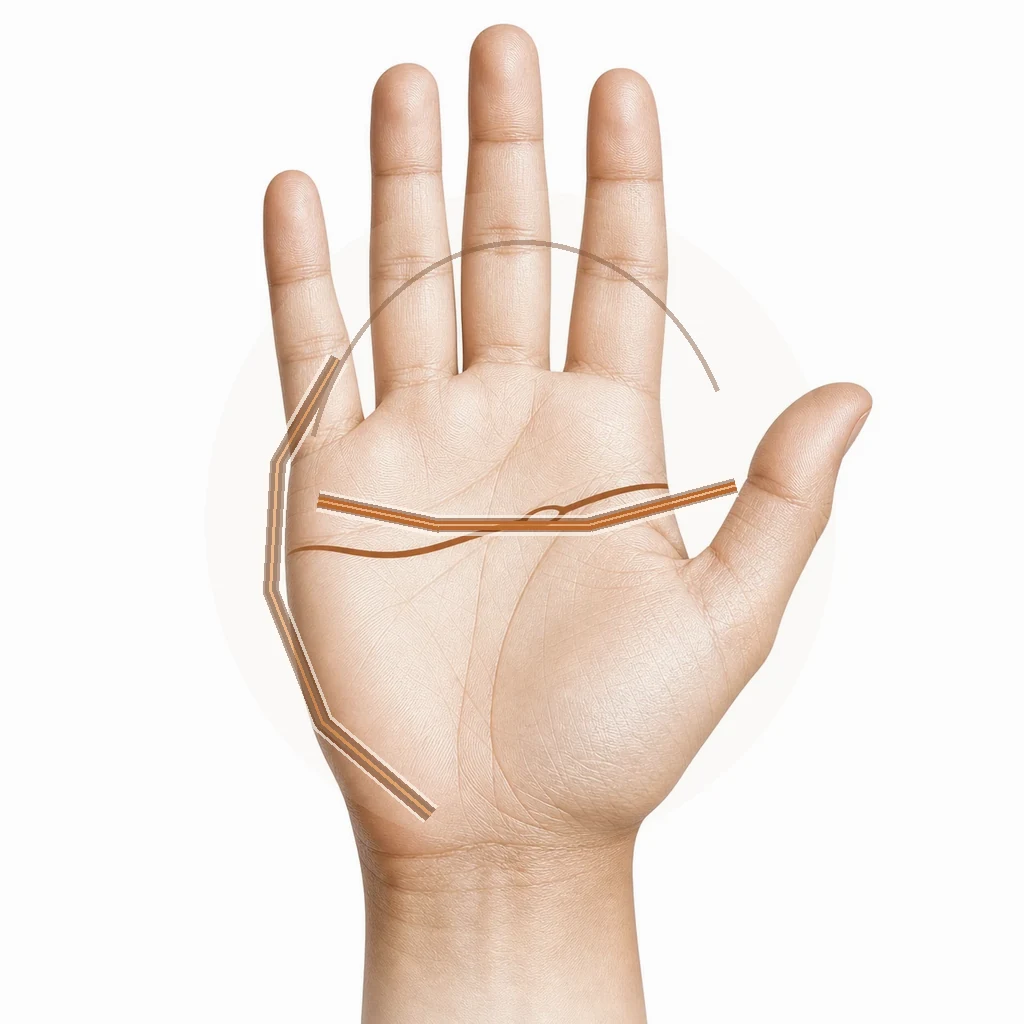
Islam & Fortune-telling

Is Fortune Telling Haram in Islam?

Islam does not merely dislike fortune-telling. It treats the whole business as a theological trespass with a velvet curtain.

The ruling is not about spoiling mystery. It is about who is believed to know the unseen.

Quick answer

Yes. Fortune telling is haram in mainstream Islamic teaching because it claims access to the unseen, knowledge that belongs to Allah alone, and because hadiths strongly warn against consulting fortune-tellers.

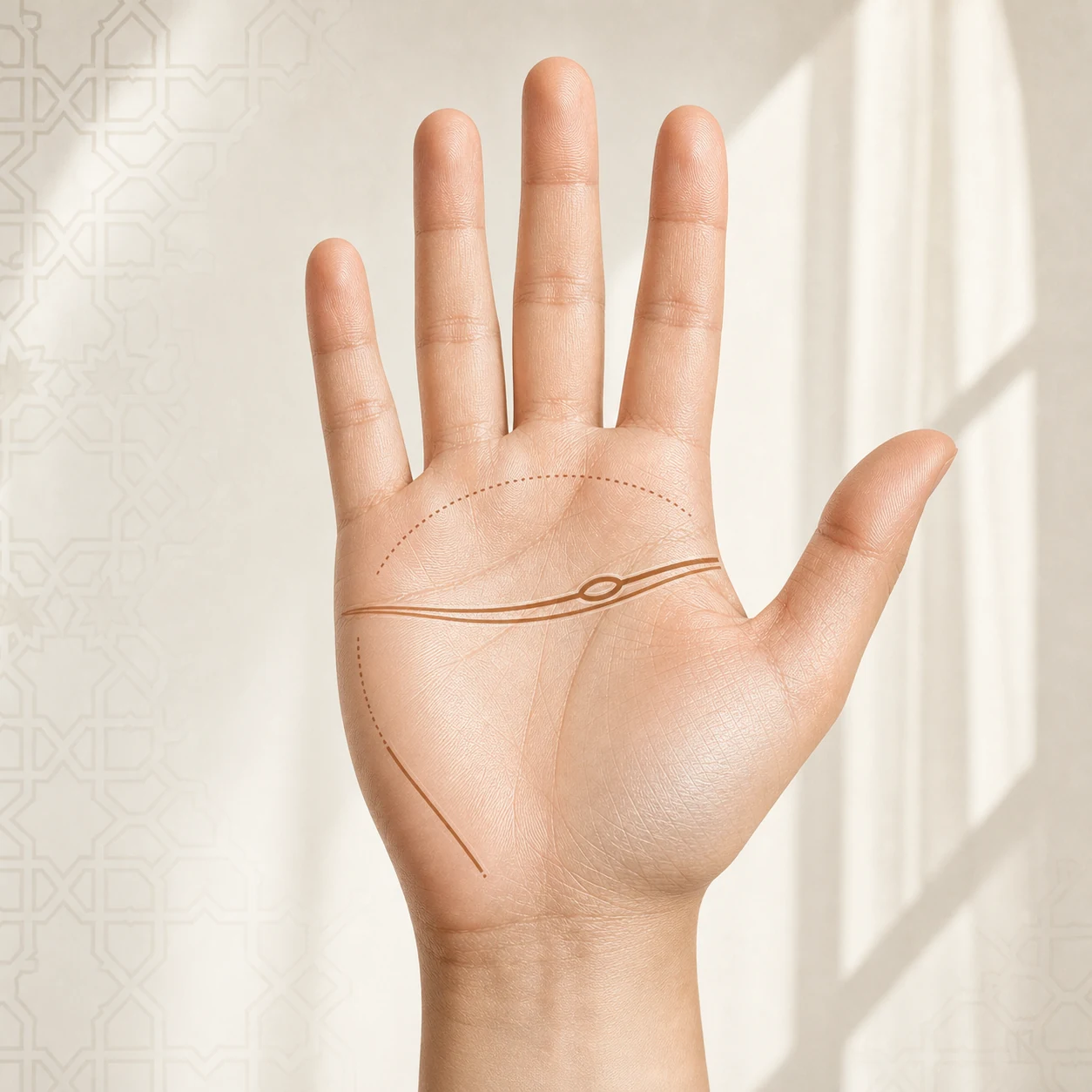
Closed curtain and open palm in restrained editorial style
Respectful editorial still life with an open palm, closed curtain, and subtle Islamic geometric border, no sacred text, warm restrained palette.
HaramRuling
KahanahCategory
Al-ghaybMain Principle
StrongHadith Basis
01Overview

Overview

The ruling is direct

Fortune telling is treated as haram in mainstream Islamic teaching. This includes practices that claim to reveal the future, hidden events, destiny, unseen causes, or secret knowledge through methods such as palmistry, astrology, cards, omens, or spirit communication.

The reason is not that Islam denies human planning or intuition. It is that claiming certain knowledge of the unseen moves into territory the Quran reserves for Allah alone.

The hadith literature adds a sharp warning: consulting fortune-tellers is not treated as harmless curiosity. It is treated as a serious spiritual error, especially when their claims are believed.
Direct answer

Treat this as a ruling-style explanation

This page keeps the layout serious and text-led, with emphasis on practical boundaries rather than mystical visuals.

02REASONING

Why the ruling is so strict

Islamic theology is built around tawhid, the oneness and uniqueness of Allah. Knowledge of the unseen is part of that divine uniqueness. A fortune-teller, by claiming to read the future, borrows a crown that does not belong to them.

This is why the ruling covers many techniques. The method is secondary. Tea leaves, cards, stars, palms, numbers, and omens all become the same problem when they claim access to al-ghayb.