04WHAT HISTORY TEACHES US
What history teaches us
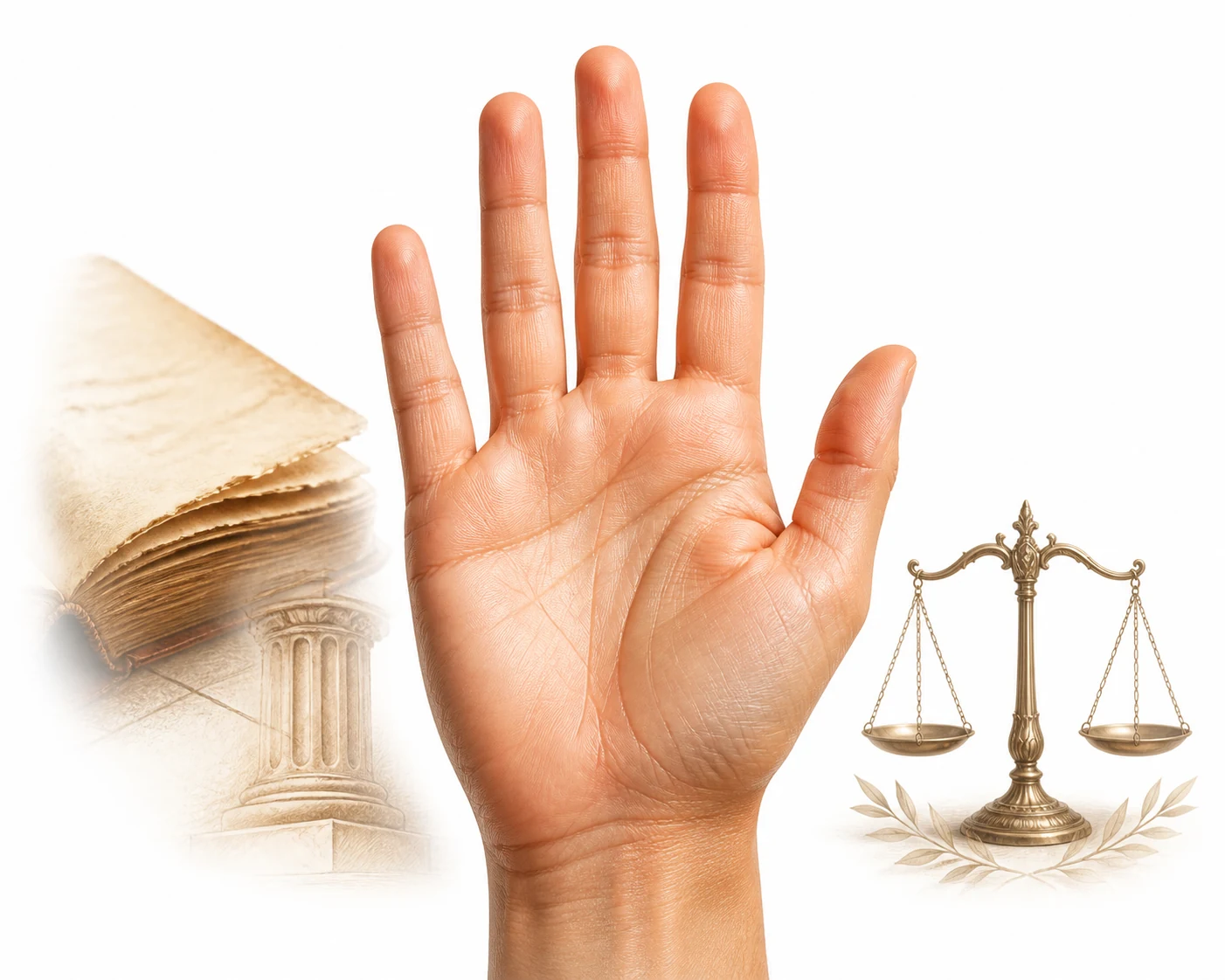
Palm reading was practiced in many cultures long before the word "witchcraft" existed. The ancient Indians, Chinese, and Greeks all had their own systems of hand reading. It was a respected practice in many places. The association with witchcraft came much later, during times of religious anxiety.
05WHAT MODERN PRACTITIONERS SAY
What modern practitioners say
Most modern palm readers do not claim any supernatural powers. They see themselves as interpreters or counsellors. They help people think about their lives. They do not claim to talk to spirits or cast spells. That is a very different practice from witchcraft.
07DECISION TEST
The decision test
Should your religious beliefs stop you from getting a palm reading?
That depends entirely on your tradition and your personal convictions. If your religion forbids divination, you may want to avoid it. If it does not, there is no inherent conflict. But palm reading is not witchcraft, whatever your decision.
08PERSPECTIVE
A more useful way to think about it
Witchcraft is a word that has been used to hurt people. It has been used to justify persecution, violence, and fear. Using that word to describe palm reading only adds to that history of confusion. It is more accurate to call palm reading a form of divination or self reflection. And that is a very different thing.
09TAKEAWAYS
Verdict
Palm reading is not witchcraft. It is divination or fortune telling.
Reading Context
Different religious traditions have different views.
Practical Use
Most modern palm readers do not claim supernatural powers.
Why It Feels True
The association with witchcraft is historically inaccurate.
Supporting Finding
Decide based on your own beliefs, not on the word "witchcraft."