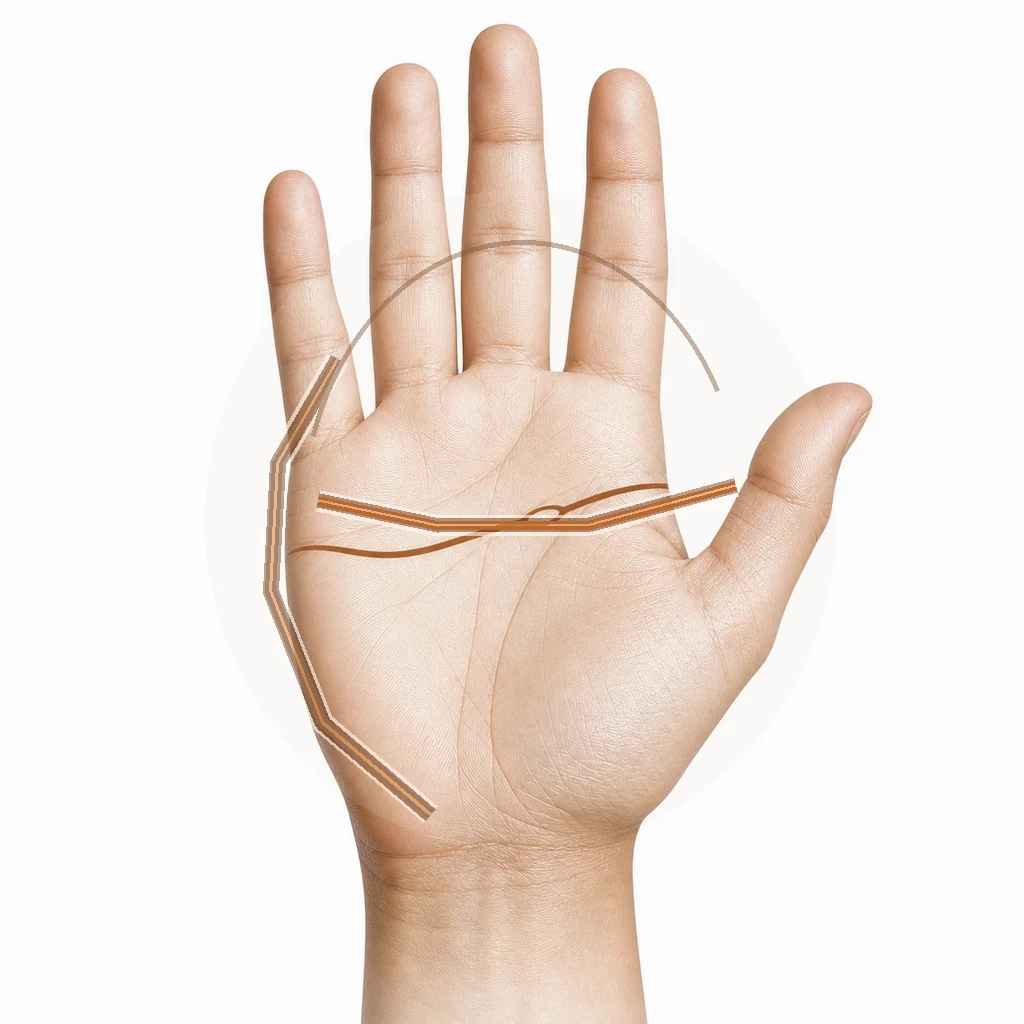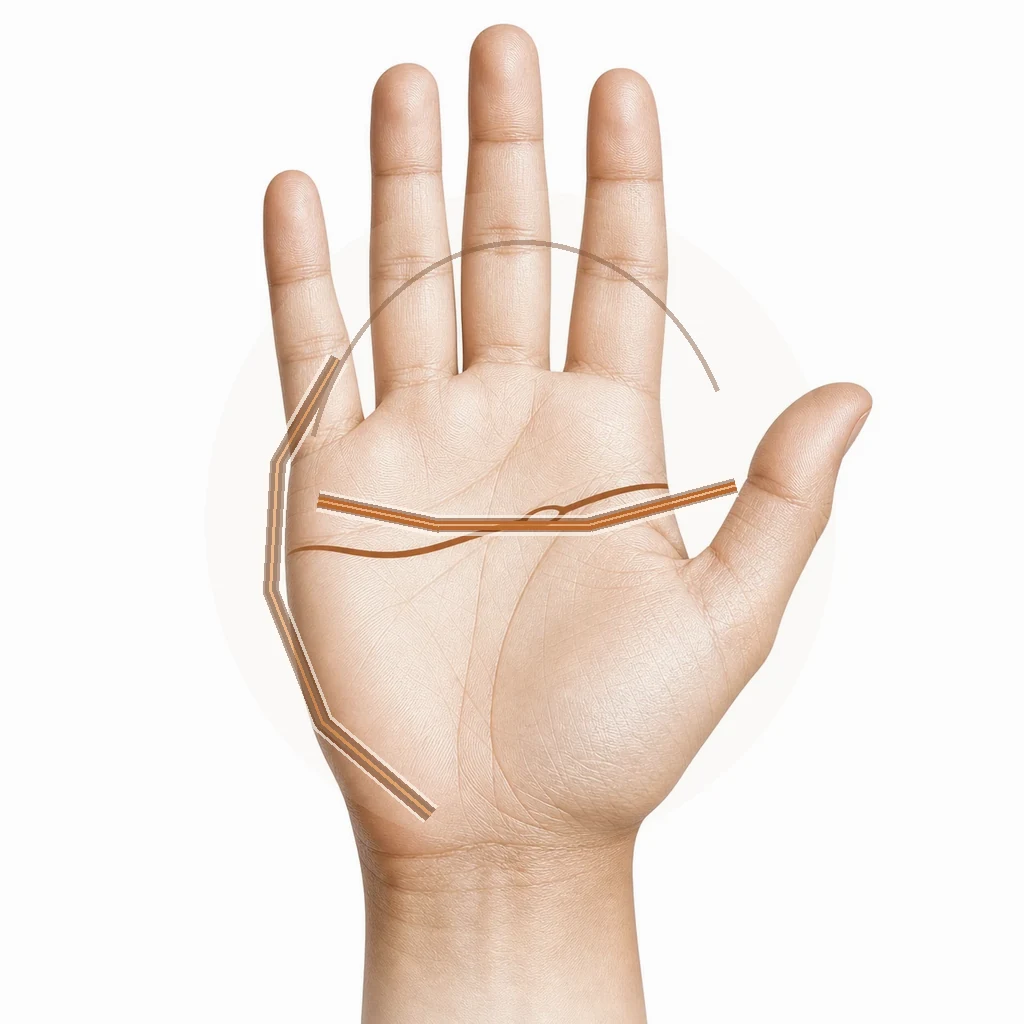
Islam & Palmistry

Is Palmistry Allowed in Islam?

For Muslims asking this question, it is rarely a casual curiosity — it often reflects genuine concern about what is permissible and what brings one closer to or further from Allah.

The mainstream scholarly consensus is clear, but understanding the reasoning behind it matters as much as knowing the ruling.

Quick answer

The mainstream Islamic scholarly position is that palmistry (reading the hand to predict the future or reveal the unseen) is not permitted (haram), as it falls under the prohibited category of fortune-telling (kahanah).

Not Permitted Scholarly ConsensusKahanah (Fortune-telling) CategoryYes Quranic BasisYes Hadith Evidence
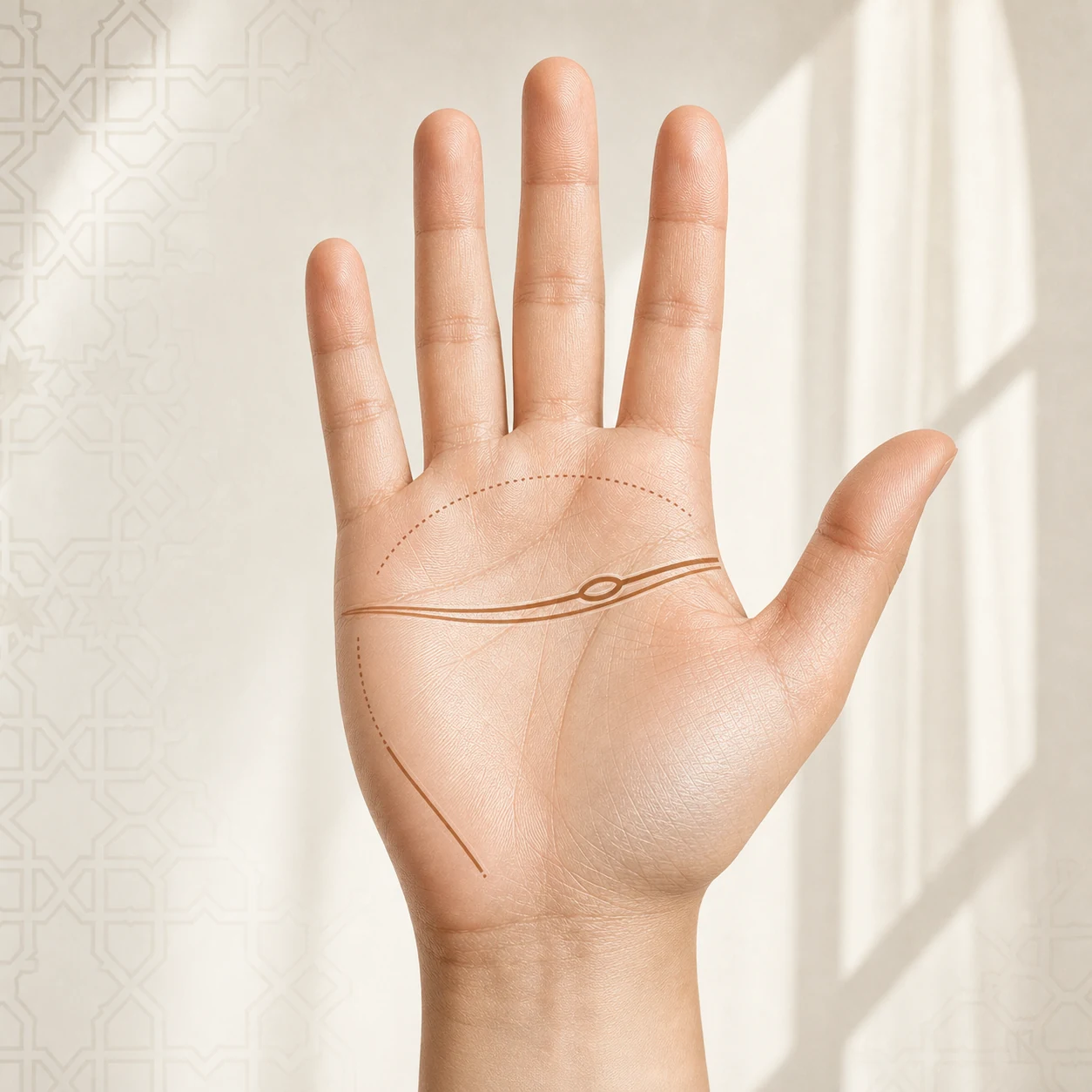
Respectful editorial illustration of an open palm alongside classical Islamic geometric pattern
Respectful museum field-note style image of an open palm on aged parchment alongside fine geometric Islamic pattern border, warm editorial tone, no religious figures or inappropriate imagery.
01Overview

Overview

The short answer

Islamic scholars across the major schools of jurisprudence (Hanafi, Maliki, Shafi'i, Hanbali) treat palmistry as a form of fortune-telling (kahanah or 'irafah), which is prohibited in Islamic law. The prohibition stems from the Quran's teaching that knowledge of the unseen (al-ghayb) belongs to Allah alone, and from multiple hadiths warning against consulting fortune-tellers.

The reasoning is theological as well as legal: claiming to know the future from a palm implies that something other than Allah determines or reveals future events, which conflicts with Islamic monotheism (tawhid) and the concept of divine knowledge.

Some scholars distinguish between palmistry practiced as cultural tradition or entertainment (without genuine belief in its predictions) and palmistry treated as a genuine source of knowledge about the future. The former may be treated with less severity by some scholars, though most advise against it entirely to avoid confusion and imitation of prohibited practices.
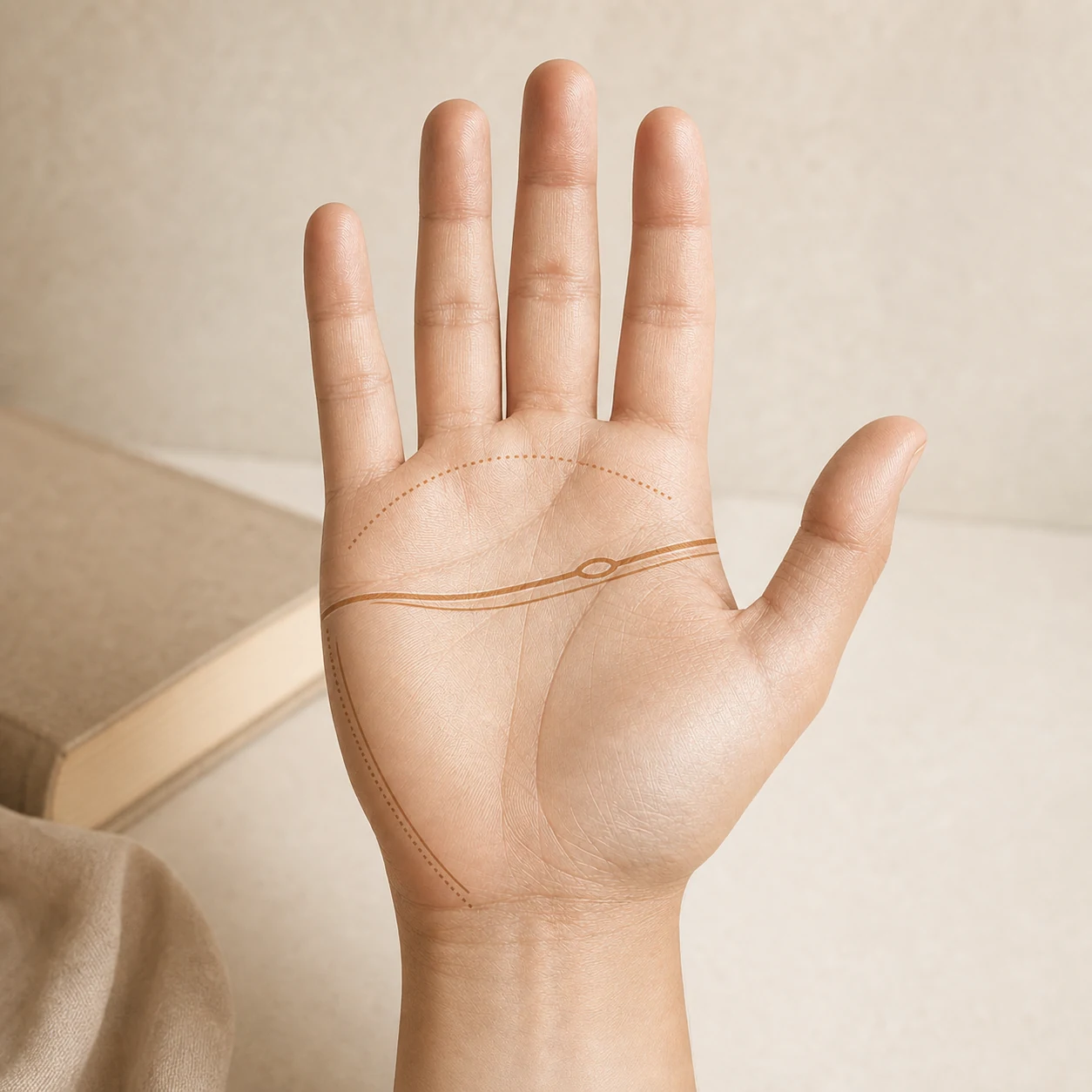
Direct answer

Treat this as a ruling-style explanation

This page keeps the layout serious and text-led, with emphasis on practical boundaries rather than mystical visuals.

02THE REASONING

The Islamic reasoning explained

The core principle is that knowledge of al-ghayb (the unseen, including the future) belongs exclusively to Allah. This principle appears in multiple Quranic verses, including Surah Al-An'am (6:59) and Surah Luqman (31:34), which enumerate forms of knowledge reserved for Allah alone.

Palmistry, by claiming to read a person's fate, relationships, or future from hand lines, makes an implicit claim to access this reserved knowledge. This is considered problematic regardless of whether the palmist or client actually believes the reading, since the act itself involves treating another source as revealing what only Allah knows.

The hadiths on fortune-telling are explicit. The Prophet Muhammad (peace be upon him) warned that whoever visits a fortune-teller and believes what they say has disbelieved in what was revealed to Muhammad. This hadith (reported in Abu Dawud, Muslim, and others) is a primary basis for the prohibition.

03DISTINCTIONS

Important distinctions

Some Muslims distinguish palmistry from studying the hand for medical reasons (dermatoglyphics and genetic markers), which is not covered by the prohibition on fortune-telling. The prohibition is specifically about claiming to know the unseen or future. For personal rulings, consulting a qualified Islamic scholar is always preferable to relying on general guidance.

04CLARIFICATIONS

Common questions clarified

Myth

Palmistry is fine if you do not really believe in it.

Reality

Most scholars advise against it regardless, citing the principle of blocking means to prohibited acts (sadd al-dhara'i'). Some are more lenient for casual curiosity, but all advise caution.

Myth

Learning palmistry as a hobby or art is the same as consulting it.

Reality

Scholars typically distinguish between study as cultural knowledge and practicing readings as fortune-telling. The latter carries the primary prohibition.

Myth

Only the Quran prohibits this, not hadiths.

Reality

Both Quranic principles and multiple authenticated hadiths form the basis of the ruling.

05SCHOOLS

Across Islamic schools

Hanafi

Position

Not permitted

Notes

Classified under prohibited forms of divination

Maliki

Position

Not permitted

Notes

Strong prohibition on fortune-telling

Shafi'i

Position

Not permitted

Notes

Knowledge of unseen reserved for Allah

Hanbali

Position

Not permitted

Notes

Consistent with hadith-based evidence

06TAKEAWAYS

Ruling

The mainstream Islamic ruling is that palmistry is not permitted (haram).

Supporting Finding

The basis is Quranic: knowledge of the unseen belongs to Allah alone.

Important Limit

Multiple authenticated hadiths explicitly prohibit consulting fortune-tellers.

Reader Guidance

For personal situations, consult a qualified Islamic scholar.

07FAQ

FAQ

Common follow-up questions

Is palmistry haram even if done by a Muslim?

Yes — the prohibition applies to the practice, not the religion of the practitioner. A Muslim practicing palmistry as fortune-telling is engaging in a prohibited act.

What should a Muslim do if they regret having their palm read?

Islamic guidance generally advises sincere repentance (tawbah) and not repeating the act. This is between the individual and Allah.

Is looking at someone's hand for medical reasons the same as palmistry?

No. Medical examination of the hand (including dermatoglyphics in genetics) is not fortune-telling and is not covered by the prohibition.