Palmistry and Christianity

Is Palmistry Forbidden in Christianity?

Forbidden is a strong word. It implies a rule, a boundary, a line that should not be crossed.

Is palmistry one of those lines for Christians? The answer depends entirely on which Christian tradition you ask.

Let me show you what different traditions actually say.

Palmistry in Christianity is like alcohol in Christianity. Some traditions forbid it. Others allow it in moderation. Others do not care.

Quick answer

Palmistry is forbidden in most conservative Christian denominations. It is not forbidden in the Catholic Church. Mainline Protestant denominations are generally silent.

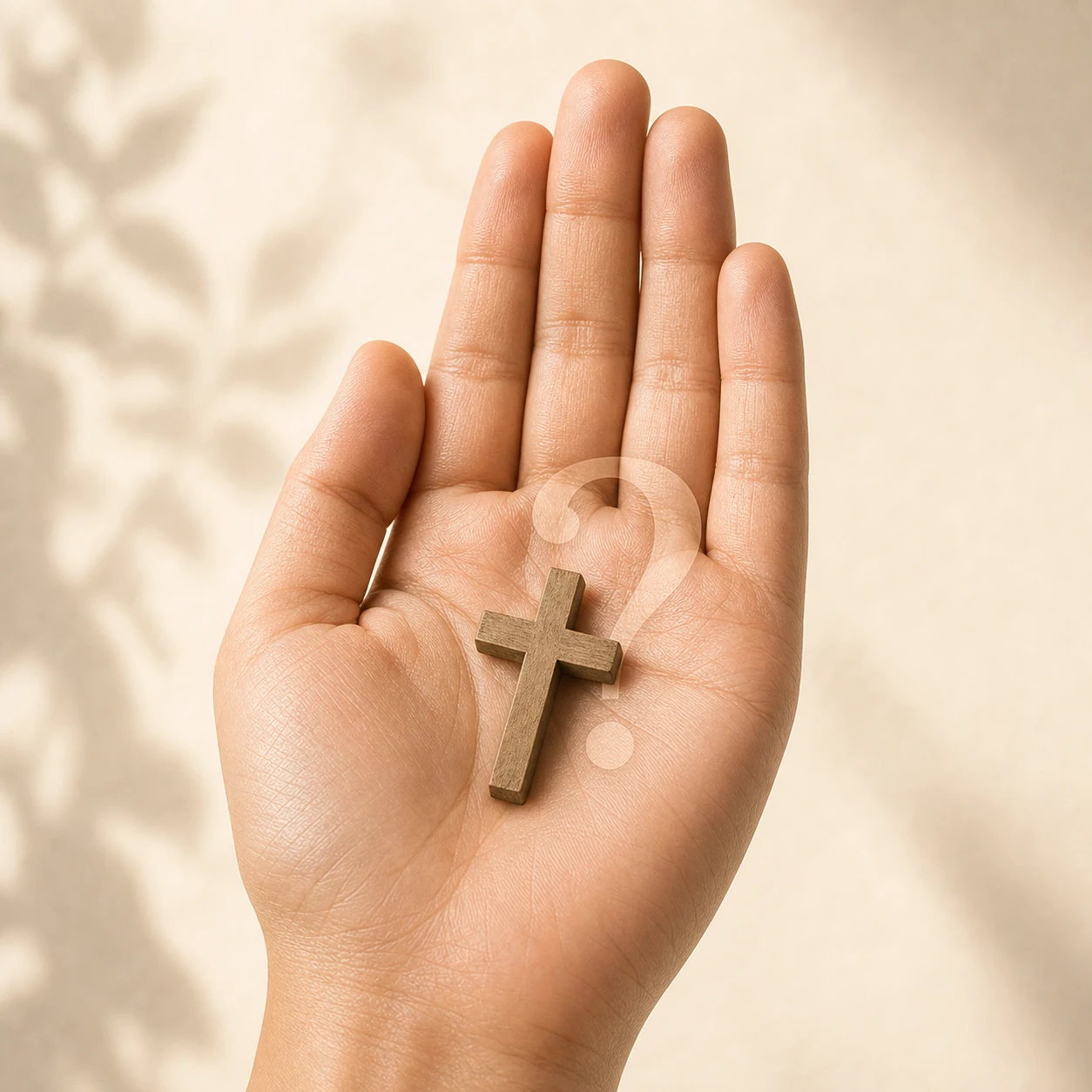
A hand holding a cross, with a question mark, respectful lighting
Editorial image, a hand holding a cross with a question mark overlay, soft respectful lighting, thoughtful tone.
ForbiddenConservative denominations
Not forbiddenCatholic Church
Generally silentMainline Protestant
ForbiddenEvangelical
01Overview

Overview

The short answer

The question of whether palmistry is forbidden in Christianity is not a simple yes or no. It depends entirely on the denomination.

Conservative Protestant denominations, including Evangelical, Baptist, and Pentecostal churches, generally forbid palmistry. They view it as a form of divination, which the Bible forbids.

The Catholic Church has no official prohibition against palmistry. Individual Catholics are free to make their own decisions.

Mainline Protestant denominations like the Episcopal Church, Methodist Church, and Lutheran Church are generally silent on the issue.
Direct answer

Treat this as a ruling-style explanation

This page keeps the layout serious and text-led, with emphasis on practical boundaries rather than mystical visuals.

02CONSERVATIVE VIEWS

Conservative denominations and palmistry

Conservative Protestant denominations generally forbid palmistry. This includes Evangelical churches, Baptist churches, Pentecostal churches, and many non denominational churches.

The reasoning is straightforward. The Old Testament forbids divination. Palmistry is a form of divination. Therefore, palmistry is forbidden.

The prohibition is often based on Deuteronomy 18:10-12, which explicitly forbids divination, sorcery, and interpreting omens.

03CATHOLIC VIEW

The Catholic Church and palmistry

The Catholic Church does not forbid palmistry. It has no official position on the practice.

The Catechism of the Catholic Church mentions divination but does not specifically mention palmistry. It warns against practices that could undermine faith or lead to superstition.

Individual Catholics are encouraged to use their conscience. If a Catholic feels that palmistry conflicts with their faith, they should avoid it. If they see it as harmless, they can proceed.

04MAINLINE VIEWS

Mainline Protestant denominations

Mainline Protestant denominations like the Episcopal Church, the Methodist Church, the Presbyterian Church, and the Lutheran Church are generally silent on palmistry.

These denominations focus on faith, grace, and social justice rather than specific behavioral prohibitions. Palmistry is not a major concern.

Most clergy in these traditions would discourage palmistry if it became a preoccupation or a source of anxiety. But they would not condemn it outright.

05A BROADER PERSPECTIVE

A broader perspective

The Christian tradition is diverse. There is no single answer to the question of whether palmistry is forbidden. The answer depends on your denomination, your local church, and your own conscience.

06COMMON MISCONCEPTIONS

Myth versus reality

Myth

Christianity universally forbids palmistry.

Reality

No. Some denominations forbid it. Others are silent.

Myth

The Bible explicitly forbids palmistry.

Reality

The Bible does not mention palmistry. It forbids divination generally.

Myth

All Christians agree on this.

Reality

Christians disagree on many things. Palmistry is one of them.

07DECISION TEST

The decision test

Should a Christian avoid palmistry?

This depends on your denomination and personal convictions. If your church forbids it, avoid it. If your church is silent, decide for yourself.

08PERSPECTIVE

A historical view

The Christian tradition has changed over time. Practices that were once condemned are now accepted. Practices that were once accepted are now condemned. Palmistry may fall into either category depending on the era and the tradition.

09TAKEAWAYS

Verdict

Conservative denominations generally forbid palmistry.

Supporting Finding

The Catholic Church has no official position.

Important Limit

Mainline Protestant denominations are generally silent.

Reading Context

The answer depends on your tradition.

10FAQ

FAQ

Common follow up questions

Can a Catholic get a palm reading?

Yes, if they see it as harmless entertainment. No, if they see it as a conflict with their faith.

Can a Baptist get a palm reading?

Most Baptists would say no. It is generally discouraged.

Can an Episcopalian get a palm reading?

There is no official prohibition. It is left to individual conscience.