Palmistry Accuracy

Is Palmistry Nonsense?

Walk into any room and mention palmistry, and you will get one of two reactions. Half the people will roll their eyes and say it is obvious nonsense. The other half will quietly look at their own palms when they think no one is watching.

What is interesting is that both groups are making a claim about something they have probably never actually investigated.

So let us investigate.

Calling palmistry nonsense is a bit like calling a foreign film nonsense because you do not understand the language.

Quick answer

Palmistry is not scientifically proven, but calling it "nonsense" misses the point entirely. It is a tradition, a symbol system, a psychological tool for reflection. Whether it is nonsense depends entirely on what you expect it to do.

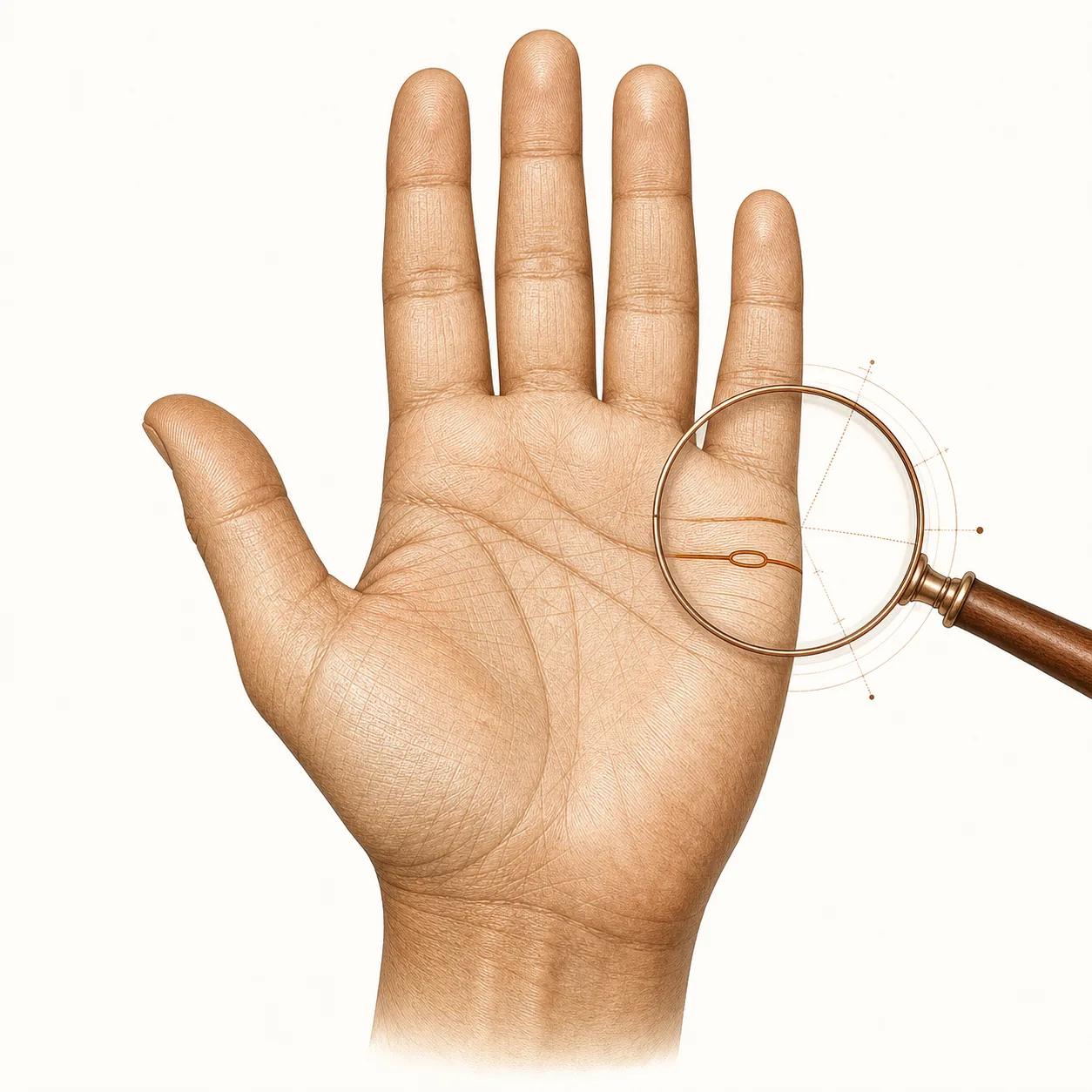
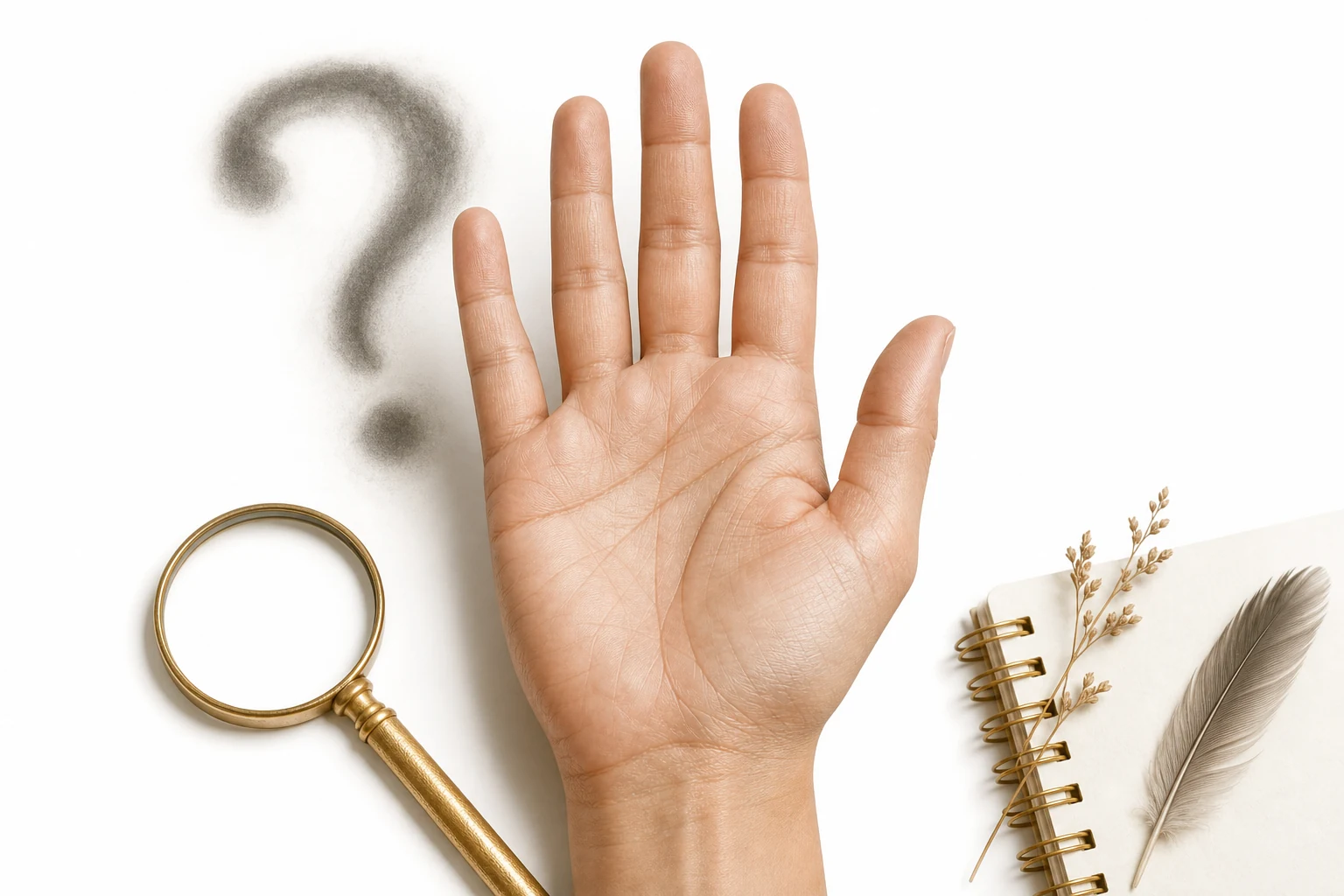
An open palm with a skeptical expression implied, soft questioning light
Editorial image, open palm, soft questioning lighting, intellectual and curious tone, not dismissive.
NoScientifically proven?
Yes, for millenniaCulturally significant?
OftenPsychologically useful?
Not necessarilySupernatural?
01Overview

Overview

The short answer

If by nonsense you mean "scientifically proven to predict the future," then yes, palmistry is nonsense. No study has ever shown that the lines on your palm can tell you when you will marry, how many children you will have, or whether you will become rich.

But if by nonsense you mean "completely worthless with nothing to offer," then no, palmistry is not nonsense. It is a cultural tradition that has persisted for thousands of years across continents. It is a system of symbols that people use to reflect on themselves. It is a lens through which people make sense of their lives.

The question is not whether palmistry is nonsense. The question is what you are looking for.
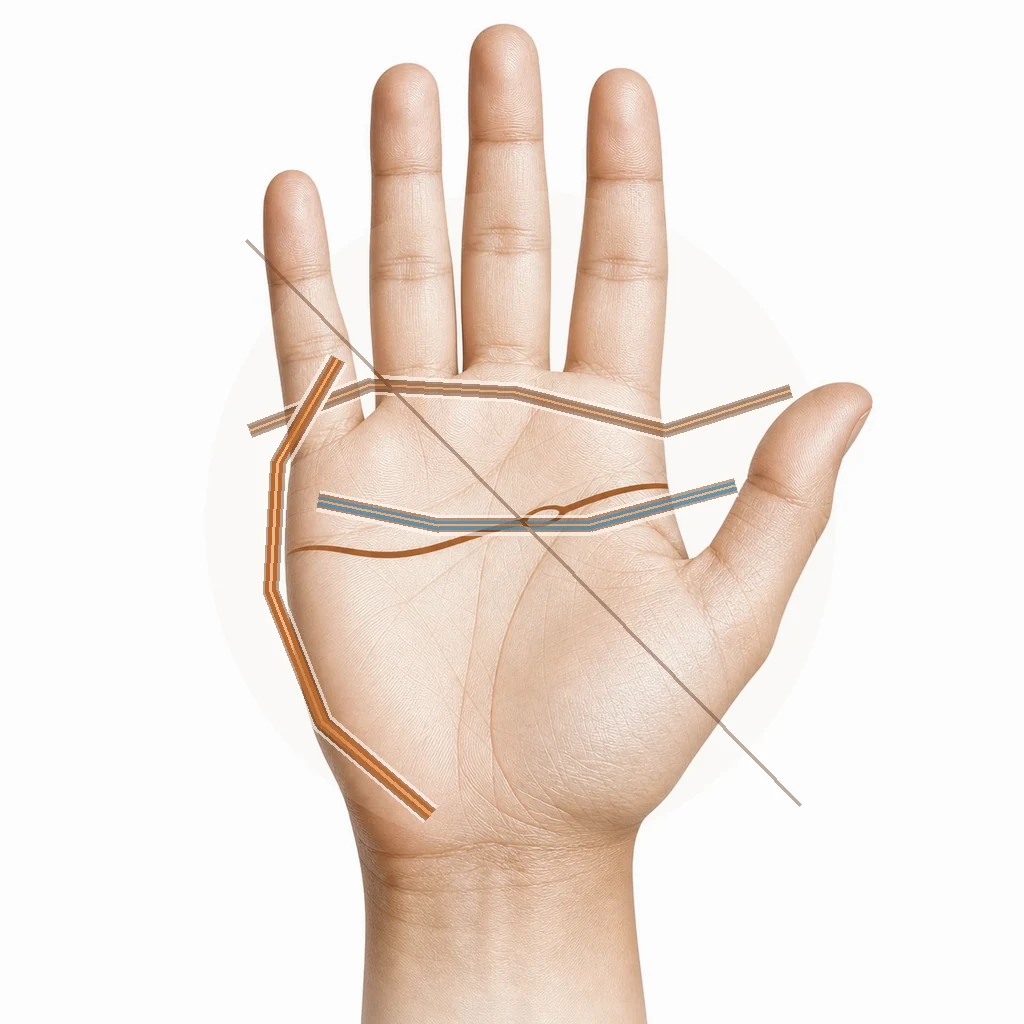
Evidence summary

Verdict

Palmistry is not scientifically valid, but it is also not nonsense. It is a tradition that serves psychological and cultural functions.

No Scientific ValidationCulturally SignificantPsychologically Useful
02DEFINING NONSENSE

What do we actually mean by nonsense?

The word nonsense carries a lot of weight. It suggests something that is not just wrong but completely without value. Like reading tea leaves to predict the stock market. Or using astrology to choose a surgeon.

Palmistry is not that. It does not claim to be medicine. It does not claim to be science. It claims to be a system of interpretation based on the human hand. And that is a very different kind of claim.

When someone calls palmistry nonsense, they are usually applying the wrong standard. They are judging a tradition by the rules of science. That is like judging a poem by the rules of physics. It misses the point entirely.

03CULTURAL CONTEXT

A quick look at the history

Palmistry has been around for at least three thousand years. It appears in ancient Indian texts, Chinese manuscripts, and Greek philosophy. Aristotle wrote about it. Julius Caesar consulted palm readers. The Chinese used it for medical diagnosis.

That kind of longevity does not prove anything is true. But it does suggest that something about palmistry has resonated with human beings across time and place.

Perhaps that something is not prediction but reflection. Palmistry gives people a vocabulary to talk about their lives, their hopes, their fears. And that vocabulary has value regardless of whether the predictions come true.

04WHAT PSYCHOLOGY SAYS

What psychology says

The Barnum effect explains why palm readings feel personal. Vague statements like "you have hidden depths" or "you sometimes doubt yourself" feel tailored to you when they are actually true of almost everyone. This does not make palmistry dishonest. It makes it human. We are pattern seeking creatures. We find meaning wherever we look.

05WHAT SKEPTICS SAY

What skeptics say

Skeptics are right that palmistry cannot predict the future. No controlled study has shown any correlation between palm lines and life outcomes. But skeptics sometimes make the mistake of dismissing the entire tradition as worthless. That is as much an oversimplification as believing every claim a palm reader makes.

06COMMON MISCONCEPTIONS

Myth versus reality

Myth

Palmistry claims to be a science.

Reality

Most palmists do not claim scientific validity. They present it as an art, a tradition, or a tool for reflection.

Myth

All palm readers believe in the supernatural.

Reality

Many modern palm readers are secular. They see palmistry as a psychological tool, not a mystical one.

Myth

If it is not science, it is worthless.

Reality

Many valuable things are not science: poetry, music, philosophy, therapy, tradition. Worth is not the same as scientific proof.

07DECISION TEST

The decision test

Should you make life decisions based on palmistry?

No. Palmistry is a tool for reflection, not a decision making system. Use it to think about your life. Do not use it to make major life decisions.

08PERSPECTIVE

A more useful question

The question is not "Is palmistry nonsense?" The question is "Does it help you think about yourself differently?" If the answer is yes, then it has value. If the answer is no, then move on. The value of palmistry is not in its accuracy. It is in its ability to start conversations you might not otherwise have.

09TAKEAWAYS

Verdict

Palmistry is not scientifically proven to predict anything.

Reading Context

It is a three thousand year old tradition with cultural and psychological value.

Important Limit

Calling it nonsense applies the wrong standard to the wrong thing.

Reader Guidance

The value of palmistry is reflection, not prediction.

Practical Use

Use it for insight. Do not use it for decisions.

10FAQ

FAQ

Common follow up questions

Is there any scientific evidence for palmistry?

No. No study has found that palm lines correlate with life outcomes in any reliable way.

Why do people believe in palmistry?

Confirmation bias, the Barnum effect, cultural tradition, personal experience, and the human desire for meaning.

Can palmistry be useful without being true?

Yes. Many people find value in systems that are not literally true. Poetry is not true in a factual sense, but it is still meaningful.