Hinduism & Palmistry

Is Palmistry True in Hinduism?

Palmistry has deep roots in Indian tradition, which is not quite the same as saying every palm line is a tiny civil servant filing reports from destiny.

The interesting part is the difference between cultural authority, religious tradition, and actual evidence.

Quick answer

Palmistry exists in Hindu and wider Indian traditions, especially alongside astrology and samudrika shastra. That gives it cultural and traditional importance, but it does not prove that palm lines reliably predict the future.

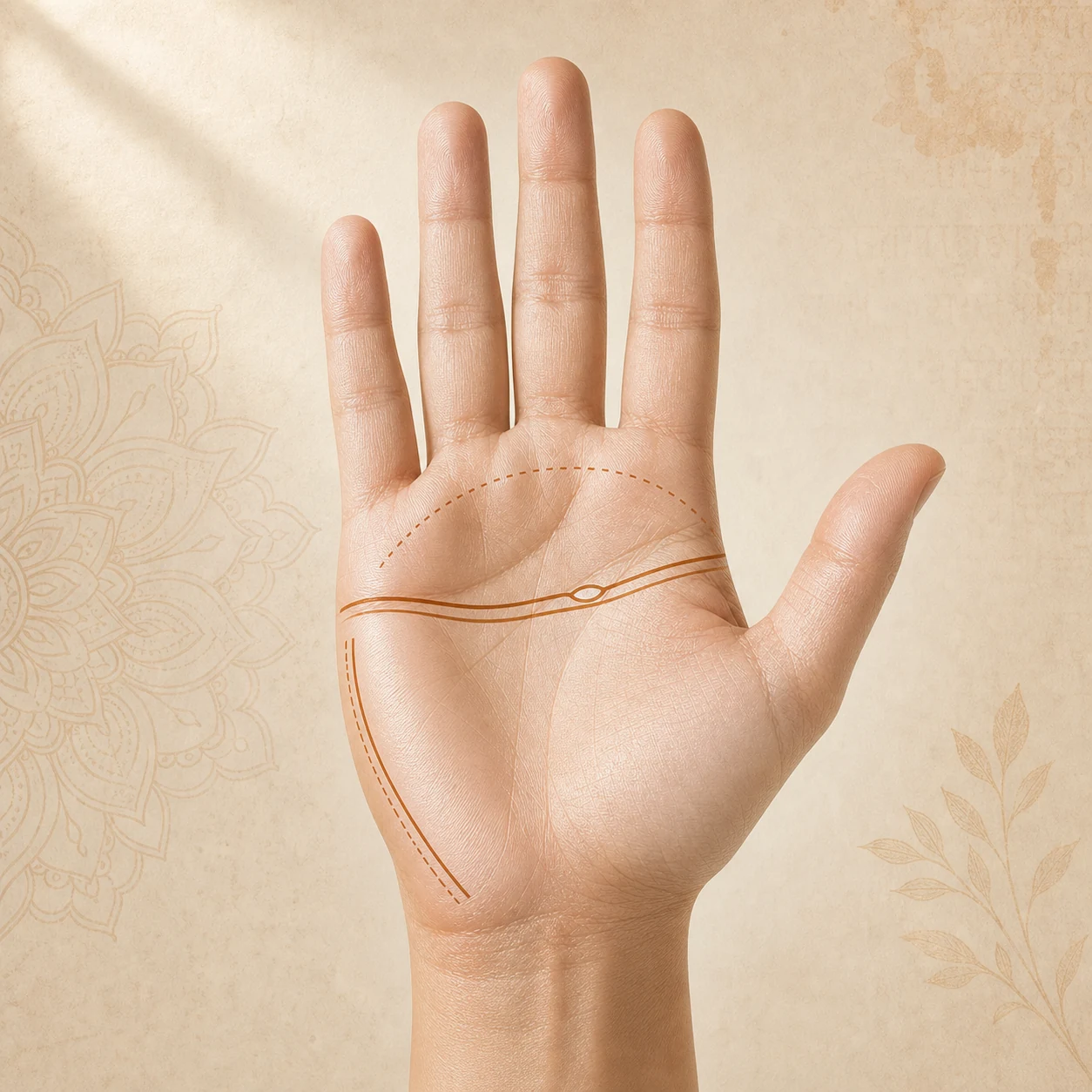
Open palm beside Indian manuscript motifs
Editorial museum-style image of an open palm beside old Indian manuscript motifs, warm natural light, respectful cultural tone, no deity depiction.
Indian/SamudrikaTradition
VariesReligious Status
Not ScientificProof Level
Symbolic TraditionBest Read As
01Overview

Overview

Tradition is real. Prediction is the argument.

In Hindu and Indian traditions, palmistry is often connected with samudrika shastra, the study of bodily marks and forms. It sits near astrology, physiognomy, and other interpretive systems that try to read character and fate from visible signs.

That makes palmistry historically and culturally significant. It does not automatically make it factually true in the modern evidence sense. A thing can be old, elaborate, and deeply meaningful without behaving like a laboratory instrument.

The best answer is therefore split: palmistry is true as a traditional interpretive practice in parts of Hindu culture, but its stronger predictive claims remain matters of belief rather than demonstrated fact.
Direct answer

Treat this as a ruling-style explanation

This page keeps the layout serious and text-led, with emphasis on practical boundaries rather than mystical visuals.

02TRADITION

Where palmistry fits in Hindu tradition

Palmistry in India is commonly linked with samudrika shastra, a broader tradition that interprets bodily features, marks, proportions, and signs. Hands are one chapter in a larger book, not the entire library.

In practice, Indian palmistry often blends with jyotisha, or Vedic astrology. A palmist may discuss mounts, lines, planets, character, temperament, and life tendencies in one continuous reading. It is a system of symbols, and like most symbolic systems, it becomes more confident the less it is asked to prove itself.

03TRUTH

What "true" can mean here

Myth

If Hindu tradition includes palmistry, then every palm reading is accurate.

Reality

A tradition can preserve a method without proving every claim made by every practitioner.

Myth

If palmistry is not scientific, it has no value at all.

Reality

It may still function as folklore, reflection, storytelling, and cultural symbolism.

Myth

All Hindus accept palmistry the same way.

Reality

Belief varies widely by family, region, education, sect, and personal conviction.

04TAKEAWAYS

Verdict

Palmistry has a real place in Indian and Hindu-linked traditions.

Evidence Status

Its strongest future-prediction claims are not scientifically established.

Important Limit

Belief in palmistry is not uniform among Hindus.

Reader Guidance

The most sensible reading is cultural and symbolic, not guaranteed prophecy.