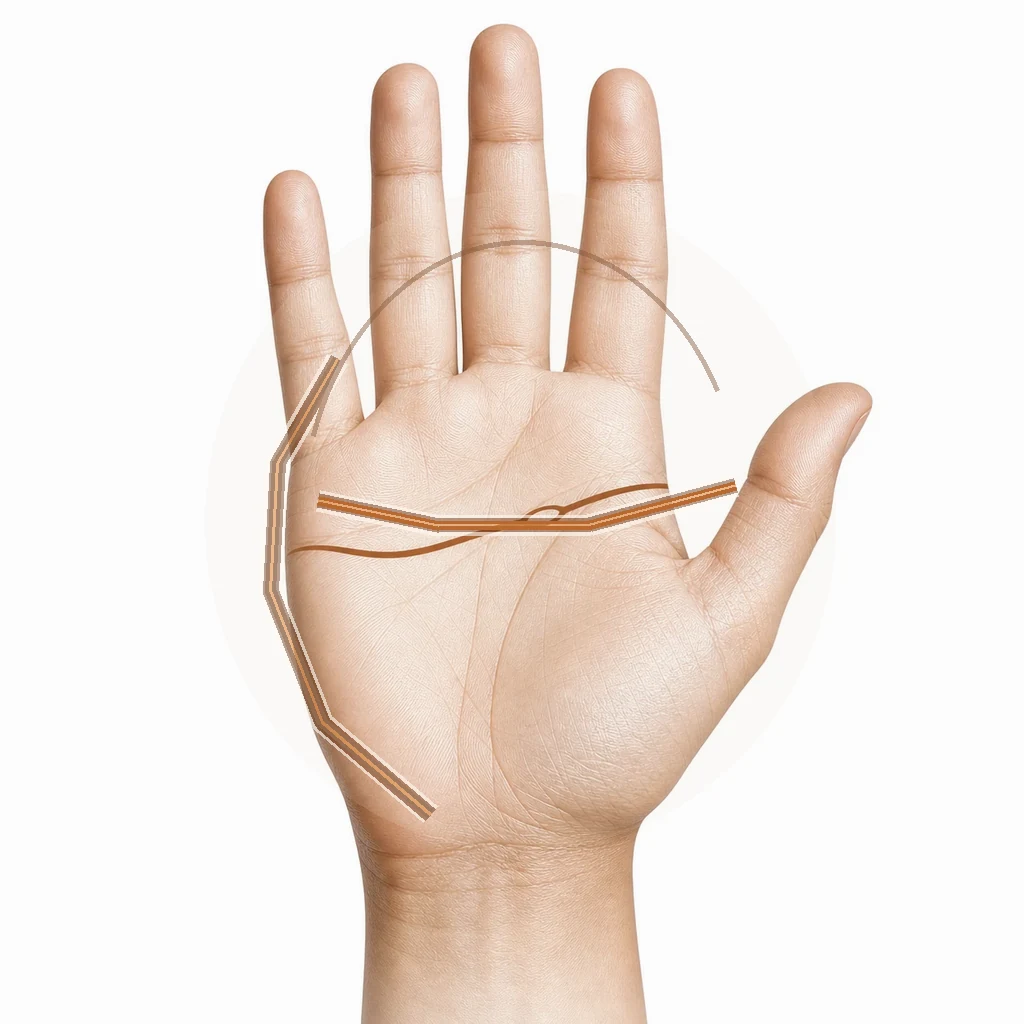
Palmistry and the Bible

What Does the Bible Say About Palm Reading?

The Bible has a lot to say about a lot of things. It covers love, war, money, marriage, forgiveness, and even dietary restrictions. But palm reading?

The Bible never actually mentions palm reading. Not once. Not in any translation.

So why do people think it does? Because the Bible does mention divination, and palm reading is considered a form of divination.

The Bible is silent on palm reading, but it is loud on what it considers spiritual practice versus spiritual trespass.

Quick answer

The Bible does not specifically mention palm reading. It does, however, forbid "divination," "soothsaying," and "fortune telling." Many Christians interpret this to include palm reading. Others see it as a harmless practice.

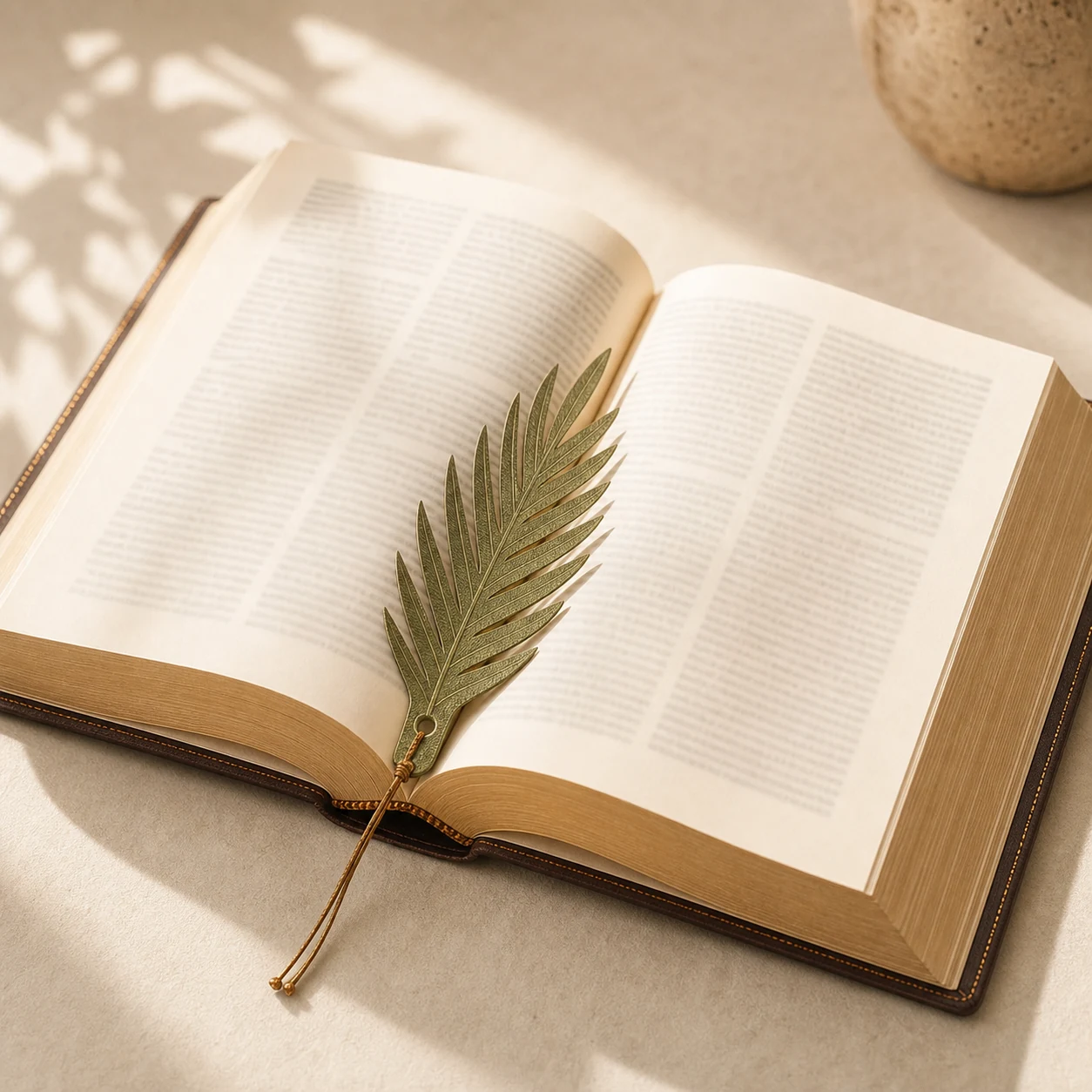
An open Bible with a palm leaf bookmark, soft respectful lighting
Editorial image, open Bible with a palm leaf bookmark, soft warm lighting, respectful and curious tone.
NoDirect mention?
YesForbidden related practices?
Yes, multiple timesDivination mentioned?
VariesInterpretation
01Overview

Overview

The short answer

The Bible does not mention palm reading. The word "palm" appears, but it refers to the tree, not the hand. The practice of reading palms is not discussed anywhere in scripture.

What the Bible does mention is divination. Divination is the practice of seeking knowledge of the future or the unknown through supernatural means. Palm reading is considered a form of divination.

The Old Testament explicitly forbids divination. The New Testament is more nuanced but generally discourages seeking guidance from anything other than God.
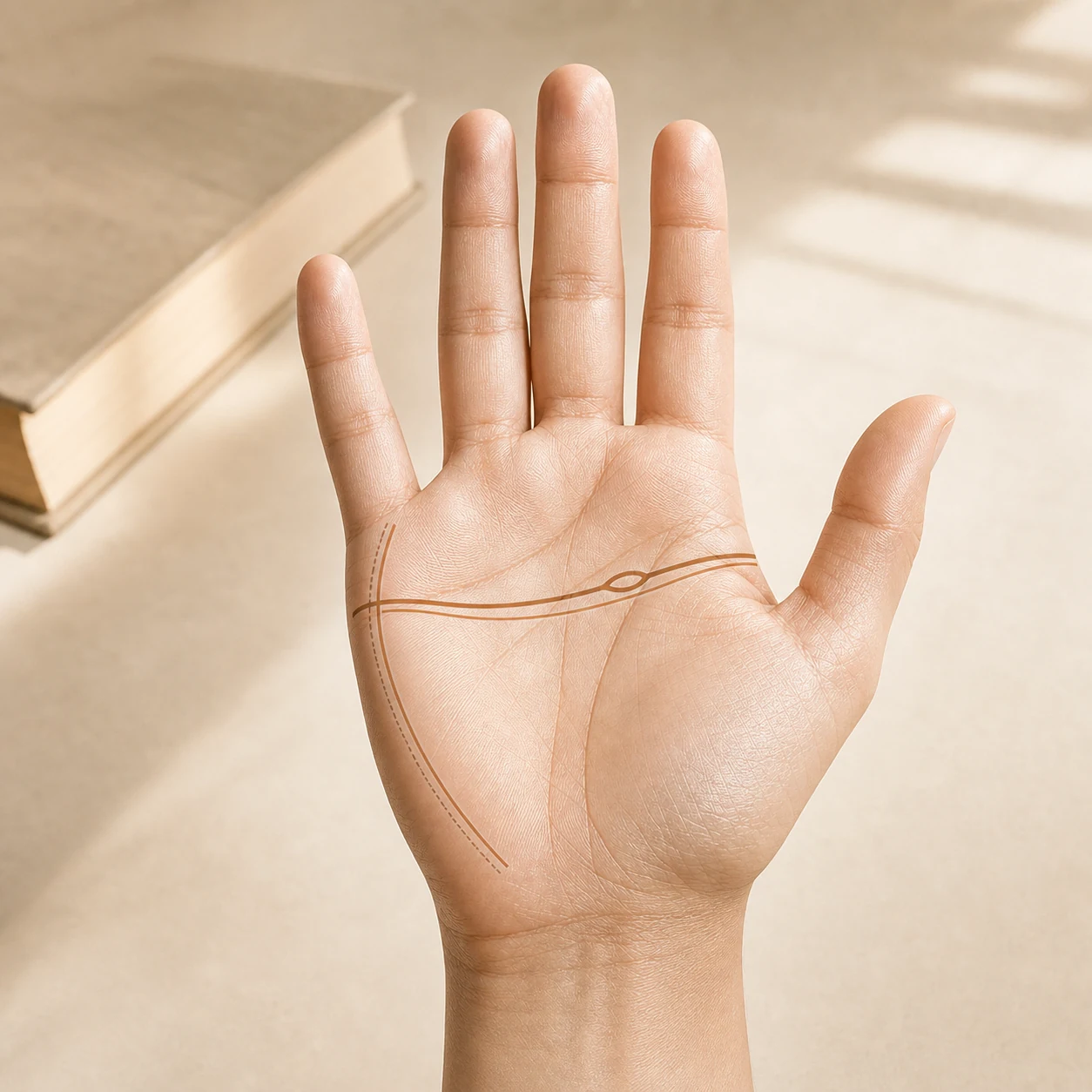
Direct answer

Treat this as a ruling-style explanation

This page keeps the layout serious and text-led, with emphasis on practical boundaries rather than mystical visuals.

02OLD TESTAMENT

The Old Testament and divination

The Old Testament contains several verses that condemn divination and fortune telling. The most famous is Deuteronomy 18:10-12, which says:

"Let no one be found among you who... practices divination, sorcery, interprets omens, engages in witchcraft, or casts spells, or who is a medium or spiritist or who consults the dead. Anyone who does these things is detestable to the Lord."

Because palm reading is a form of divination, many Christians interpret this verse as a prohibition against it. The logic is straightforward: if divination is forbidden, and palm reading is divination, then palm reading is forbidden.

Some scholars argue that the verse refers to specific Canaanite practices, not to all forms of fortune telling. The distinction is debated.

03NEW TESTAMENT

The New Testament and divination

The New Testament is less explicit about divination. It does not list it as a sin in the same way the Old Testament does.

However, Acts 16:16-18 tells the story of a slave girl who had a "spirit of divination." Paul casts the spirit out of her. This is sometimes interpreted as a condemnation of all forms of divination.

Jesus himself is not recorded as discussing divination. His focus was on faith, love, and following God. The New Testament generally shifts focus from external practices to internal faith.

Some Christians argue that the New Testament's silence means that divination is a matter of conscience, not a clear sin. Others see the Old Testament prohibition as still binding.

04INTERPRETATIONS

How Christians interpret these verses

Christian interpretations of these verses vary widely. Here are the main perspectives.

The strict view: Divination is forbidden in all forms. Palm reading is a form of divination. Therefore, palm reading is a sin.

The moderate view: Divination that seeks supernatural power is forbidden. Harmless entertainment is not. Palm reading for fun is not sinful.

The liberal view: The verses refer to specific pagan practices. Palm reading is not what the Bible was forbidding. It is a cultural practice, not a spiritual one.

The Catholic view: The Church has no official position on palm reading. Individual Catholics should use their conscience.

05A BROADER PERSPECTIVE

A broader perspective

The Bible was written in a very different cultural context. The divination practices it forbids were often associated with pagan worship, child sacrifice, and other practices that are not comparable to modern palm reading. The question is whether the principle applies to palm reading or whether it is a cultural relic.

06COMMON MISCONCEPTIONS

Myth versus reality

Myth

The Bible mentions palm reading specifically.

Reality

No. Palm reading is never mentioned in the Bible.

Myth

All Christians believe palm reading is sinful.

Reality

Not all Christians agree. Some see it as harmless entertainment.

Myth

Jesus forbade palm reading.

Reality

Jesus never mentioned palm reading or divination.

07DECISION TEST

The decision test

Should your faith prevent you from exploring palm reading?

This is a question of conscience. If your faith tradition forbids divination, you should respect that. If your tradition is silent, you can decide for yourself.

08PERSPECTIVE

A historical view

The Bible was written in a world where divination was often linked to pagan worship. The prohibition was about spiritual fidelity, not about the act of prediction itself. The question for modern believers is whether palm reading constitutes a violation of that fidelity or whether it is a culturally neutral practice.

09TAKEAWAYS

Verdict

The Bible does not mention palm reading.

Supporting Finding

It does forbid divination.

Important Limit

Interpretation varies widely among Christians.

Practical Use

The decision is ultimately a matter of conscience.

10FAQ

FAQ

Common follow up questions

Is palm reading considered divination in the Bible?

The Bible does not define divination specifically, but palm reading is generally considered a form of divination.

Can a Christian get a palm reading for fun?

Some Christians say yes. Others say no. It is a matter of conscience.

What does the Catholic Church say about palm reading?

The Catholic Church has no official position on palm reading. Individual Catholics should use their conscience.