Palmistry and Anatomy

What Is the Purpose of Lines on Human Hands?

You have lines on your palms. Everyone has lines on their palms. But why? What purpose do they serve?

The answer is more interesting than you might think. There is an anatomical answer and a traditional answer.

Let me give you both.

Palm lines are like fingerprints on a map. They tell a story.

Quick answer

The lines on human hands have two purposes. Anatomically, they are palmar flexion creases that allow the skin to flex and fold when you grip objects. Traditionally in palmistry, they are read as indicators of personality, life direction, and potential.

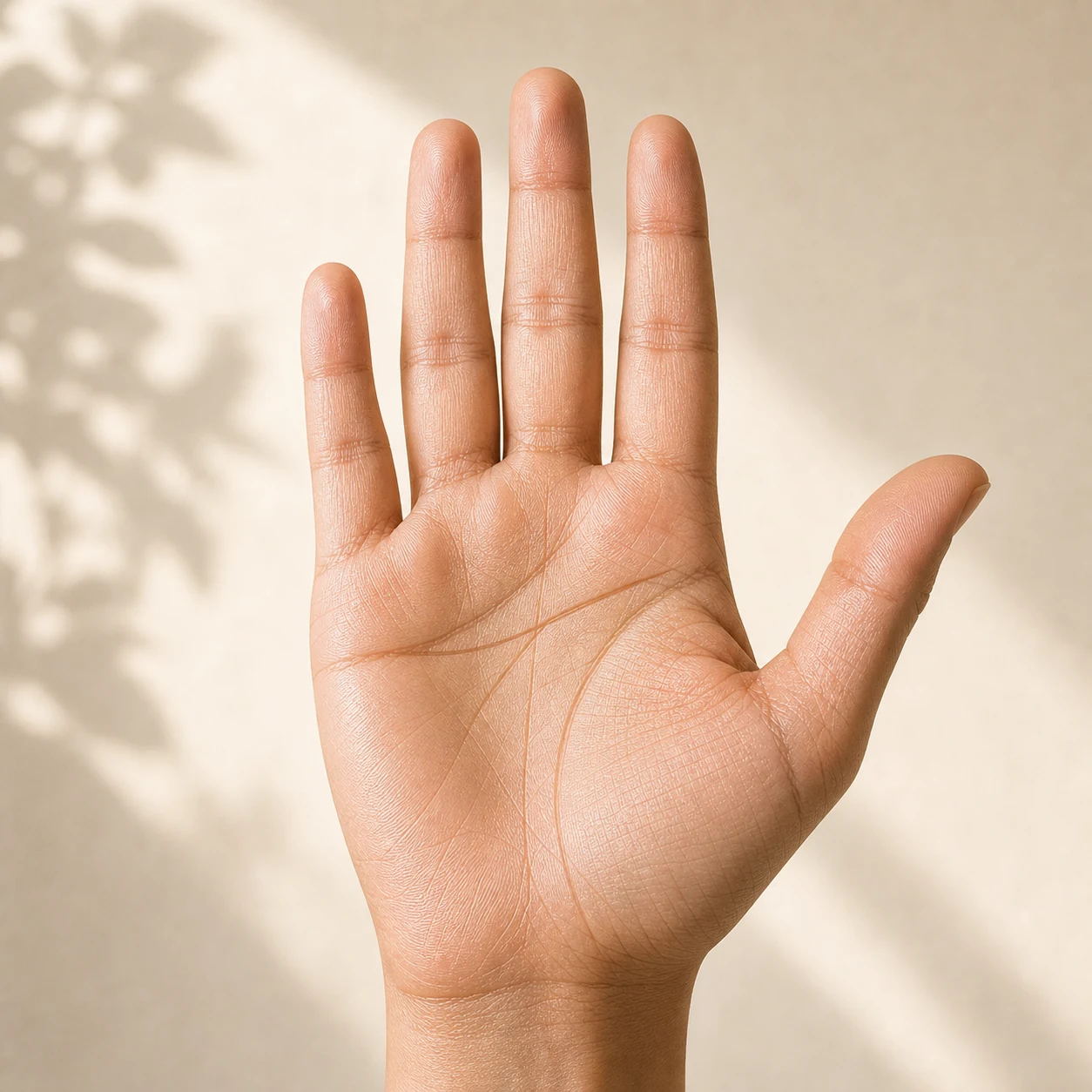
An open palm showing the major lines, soft warm lighting
Editorial image, open palm with major lines visible, soft warm lighting, curious and educational tone.
Flexion and gripAnatomical purpose
Insight and meaningTraditional purpose
Heart, head, life, fateMajor lines
No predictive valueScientific status
01Overview

Overview

The short answer

The lines on your palms have two purposes. The first is anatomical. They are palmar flexion creases that allow your skin to flex and fold when you grip objects.

The second is traditional. In palmistry, the lines are read as indicators of personality, life direction, and potential.

The anatomical purpose is scientific. The traditional purpose is interpretive. Both are valid, but they serve different functions.
Meaning entry

Definition, placement, and common variations

This template treats the page like an encyclopedia entry: visual first, interpretation second, caveats last.

02ANATOMY

The anatomical purpose of palm lines

The lines on your palms are called palmar flexion creases. They are formed in the womb and are fully developed by the time you are born.

Their purpose is simple: they allow the skin to flex and fold when you grip objects, bend your fingers, or make a fist. Without these creases, your skin would be tight and inflexible.

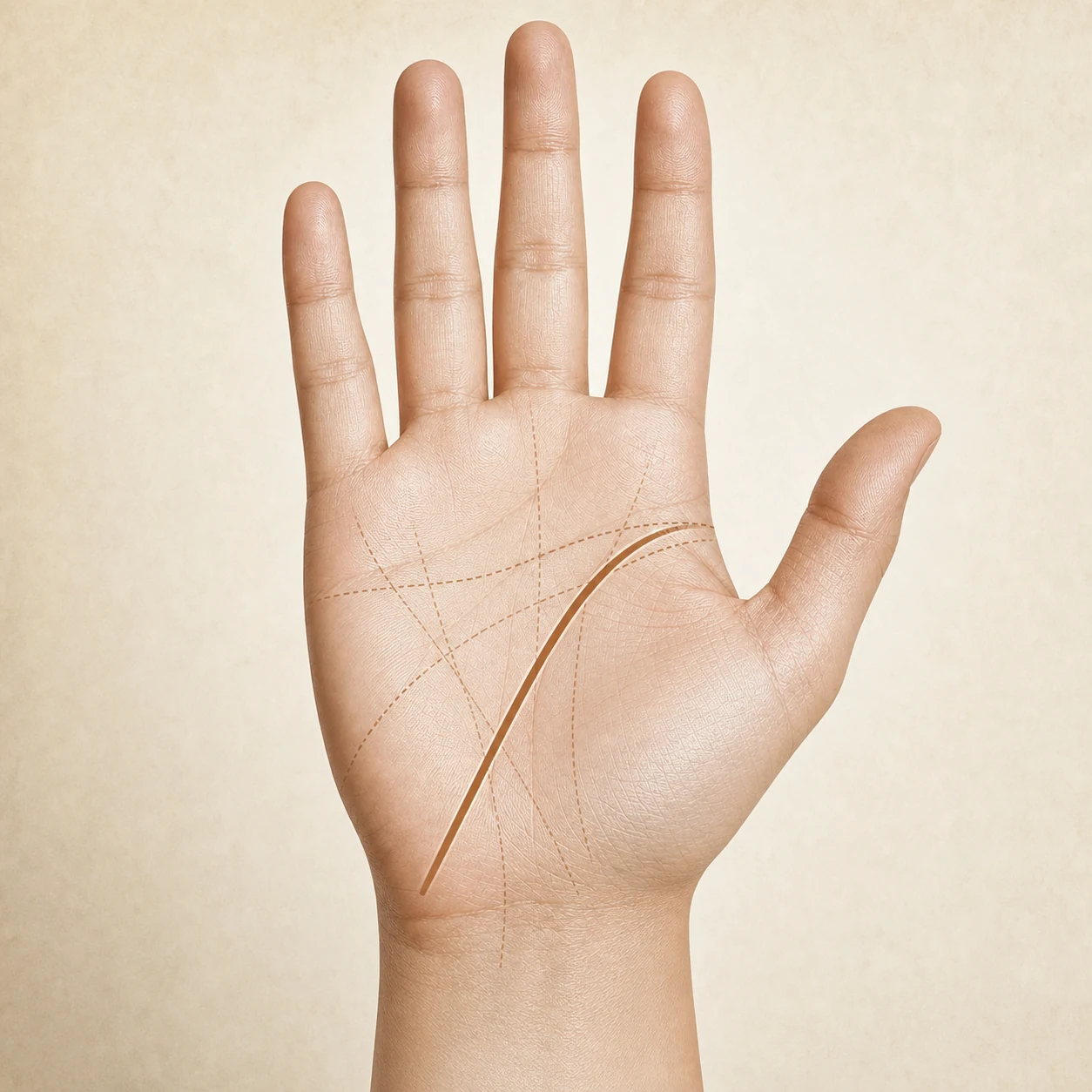
The three major creases are the distal transverse crease (near the fingertips), the proximal transverse crease (across the middle), and the thenar crease (around the thumb). These correspond roughly to the heart line, head line, and life line.

03TRADITION

The traditional purpose of palm lines

In palmistry, the lines are read as indicators of personality, life direction, and potential. The heart line speaks to emotions. The head line speaks to intellect. The life line speaks to vitality. The fate line speaks to career.

This is a system of interpretation, not a science. It is a way of using the hand as a tool for self reflection.

The traditional purpose is not to predict the future. It is to offer insight and perspective.

05COMMON MISCONCEPTIONS

Myth versus reality

Myth

Palm lines are only for palmistry.

Reality

They serve an anatomical purpose. Palmistry is an added layer of meaning.

Myth

Palm lines are random.

Reality

They are formed in the womb and follow predictable patterns.

Myth

Palm lines predict the future.

Reality

They offer traditional insights, not predictions.

06TAKEAWAYS

Verdict

Palm lines have an anatomical purpose: flexion and grip.

Reading Context

They have a traditional purpose: insight and meaning.

Evidence Status

The anatomical purpose is scientific.

Reading Context

The traditional purpose is interpretive.

07FAQ

FAQ

Common follow up questions

Are palm lines formed before birth?

Yes. They are formed in the womb and are fully developed at birth.

Can palm lines change?

Yes. They can change with age, skin condition, and hand use.

Do palm lines mean anything?

They have anatomical meaning and traditional interpretive meaning.