Hand Types

What Is the Rarest Hand Type in Palmistry?

Palmistry has spent several centuries trying to sort human hands into neat categories, which is a task roughly as straightforward as sorting clouds. Hands are stubbornly individual. And yet the tradition has produced some genuinely interesting frameworks.

The rarest hand type depends on which classification system you use, and there are at least two major ones in wide circulation. The answer changes depending on whether you are counting by shape geometry or by classical elemental type.

Quick answer

In the four-element system (Earth, Air, Fire, Water), the Water hand is generally considered the rarest — characterised by a narrow, rectangular palm with long, flexible fingers. In the seven-type classical system, the psychic hand (narrow, tapered, delicate) is considered the rarest. Both traditions agree that the most delicate, elongated hand shapes are the least common.

Editorial illustration of elegant long-fingered hand shapes
Museum field-note style illustration of an elongated, narrow palm with long tapered fingers on aged parchment, comparative hand shape sketches in editorial style.
Water HandRarest (4-Element System)
Psychic HandRarest (7-Type System)
Earth HandMost Common Hand
Cultural TraditionBased On
01Overview

Overview

The short answer

Palmistry organises hands into types primarily by palm shape and finger length. The four-element system — Earth, Air, Fire, Water — was developed in the twentieth century as a simplified, more accessible framework. The older seven-type system, popular in Victorian palmistry, classified hands as Elementary, Square, Spatulate, Philosophic, Psychic, Artistic, and Mixed.

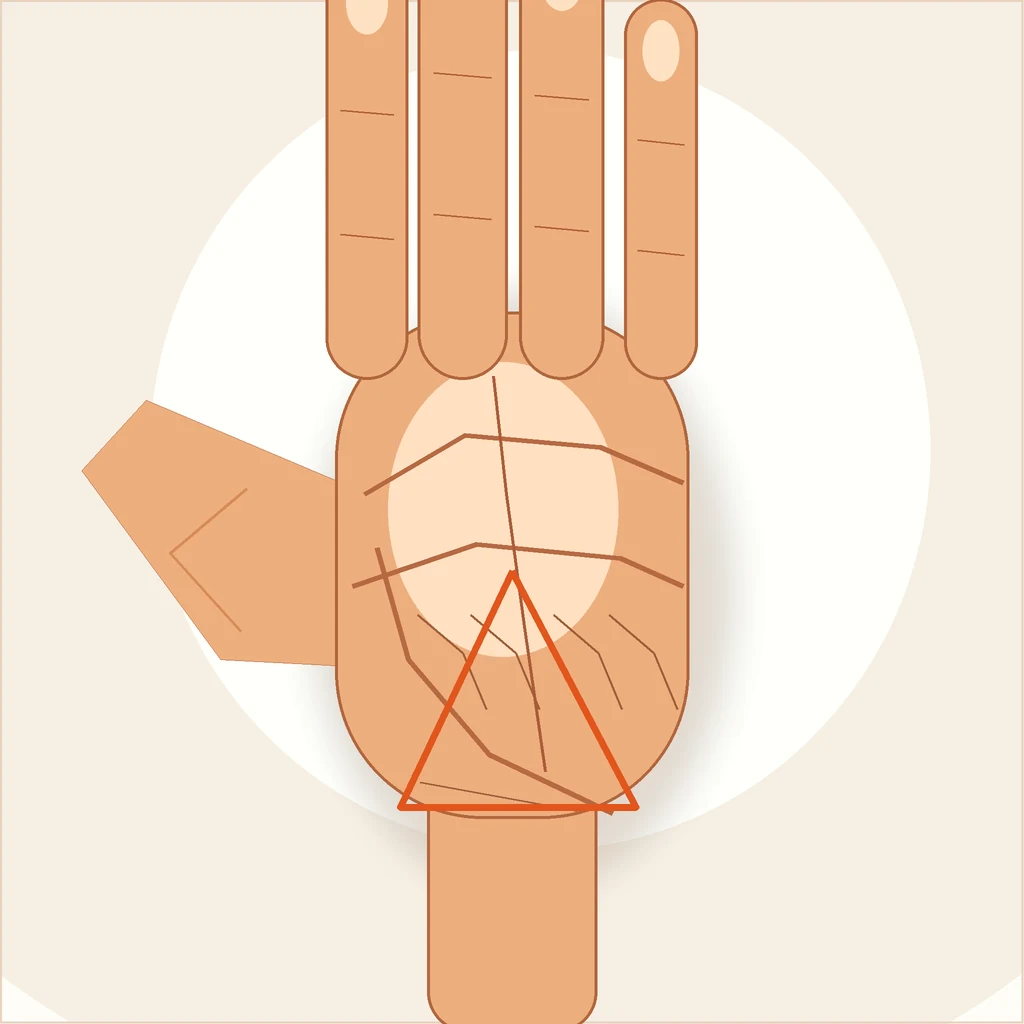
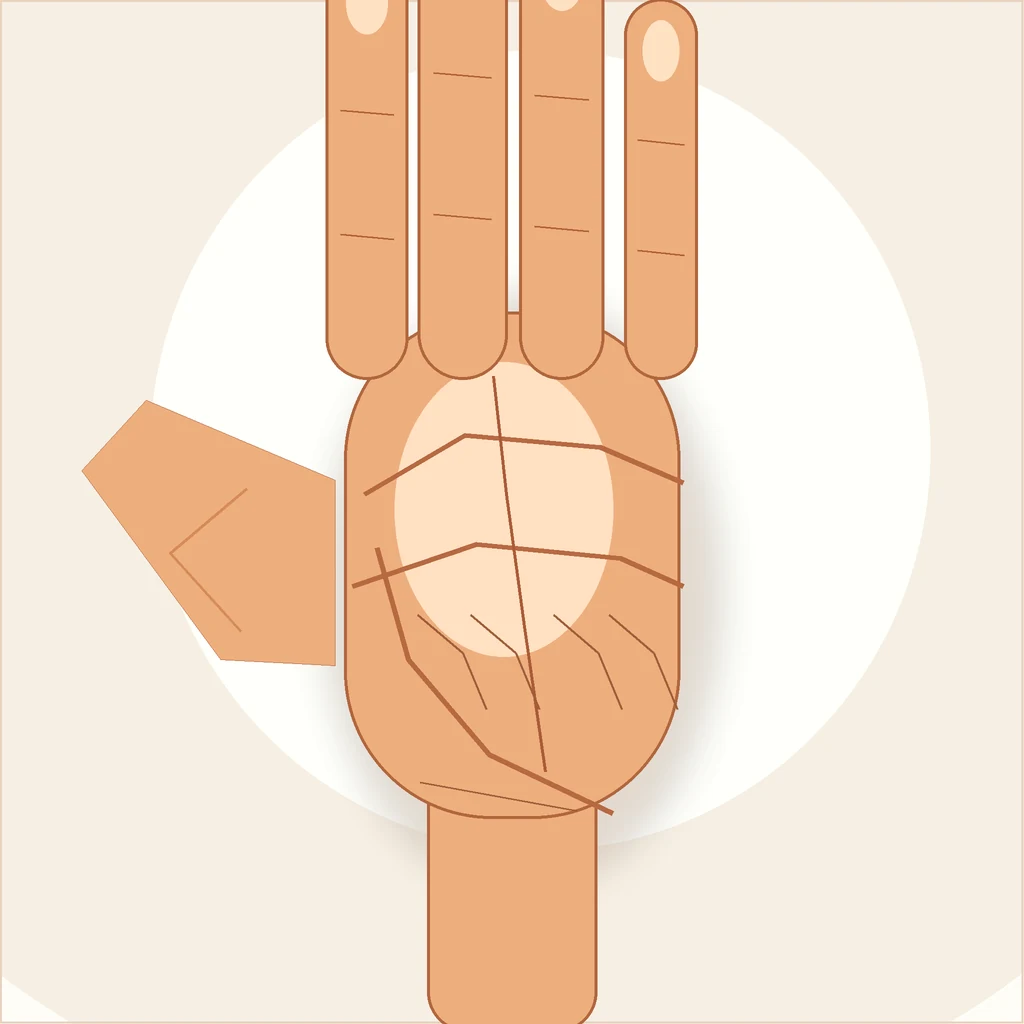
In the four-element system, the Water hand is the acknowledged rarity: a long, narrow palm with long, flexible, often tapering fingers. The palm and fingers are roughly equal in length. Water hand owners are described as emotionally receptive, creative, and somewhat allergic to conflict — traits that probably feel accurate to people who already identify as emotionally receptive, creative, and somewhat allergic to conflict.

In the seven-type system, the Psychic hand takes the rarity crown. It is the most extreme version of the elongated, delicate form — narrow, tapering, with almond-shaped nails and an almost impractical elegance. Victorian palmists considered it exceptionally rare, associated it with spiritual sensitivity, and noted somewhat unkindly that it was not well-suited to the demands of everyday life.
AI capability map

What the model can detect versus what it cannot know

Can do

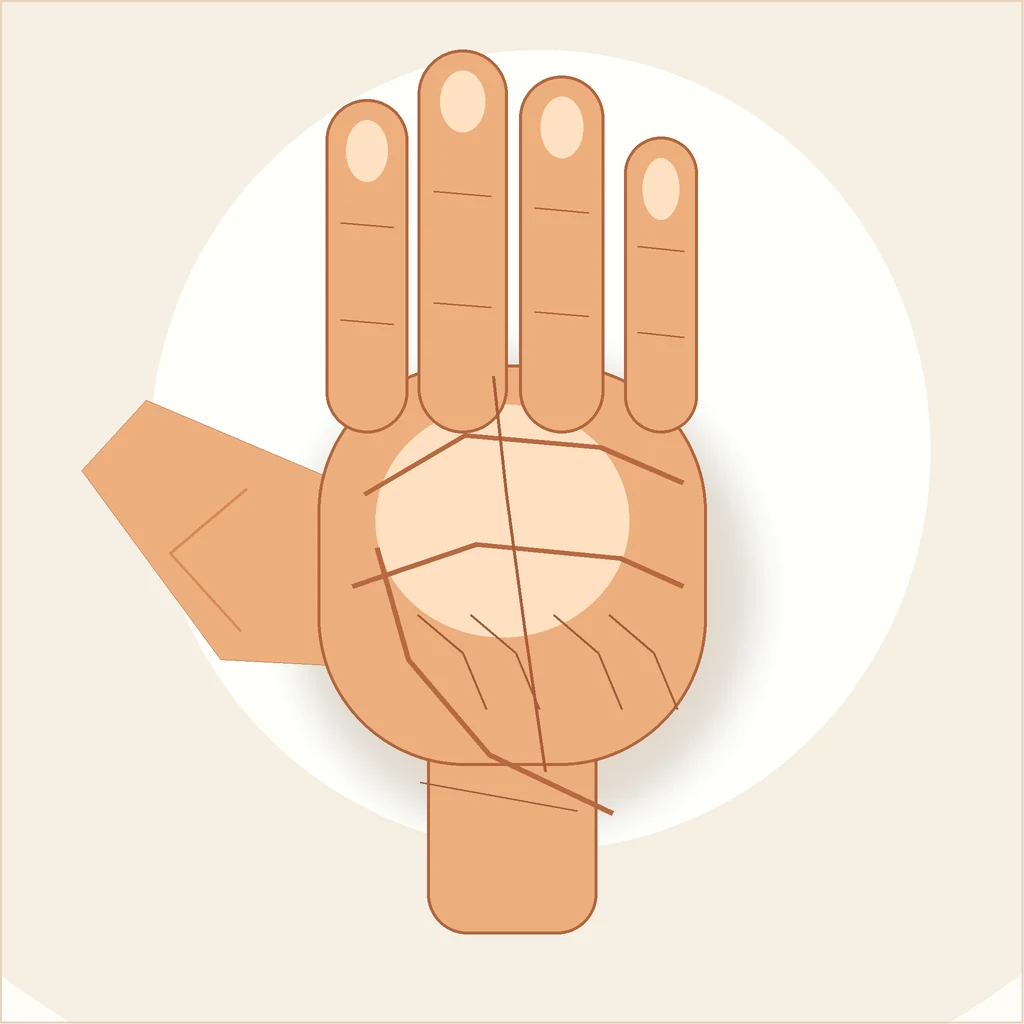
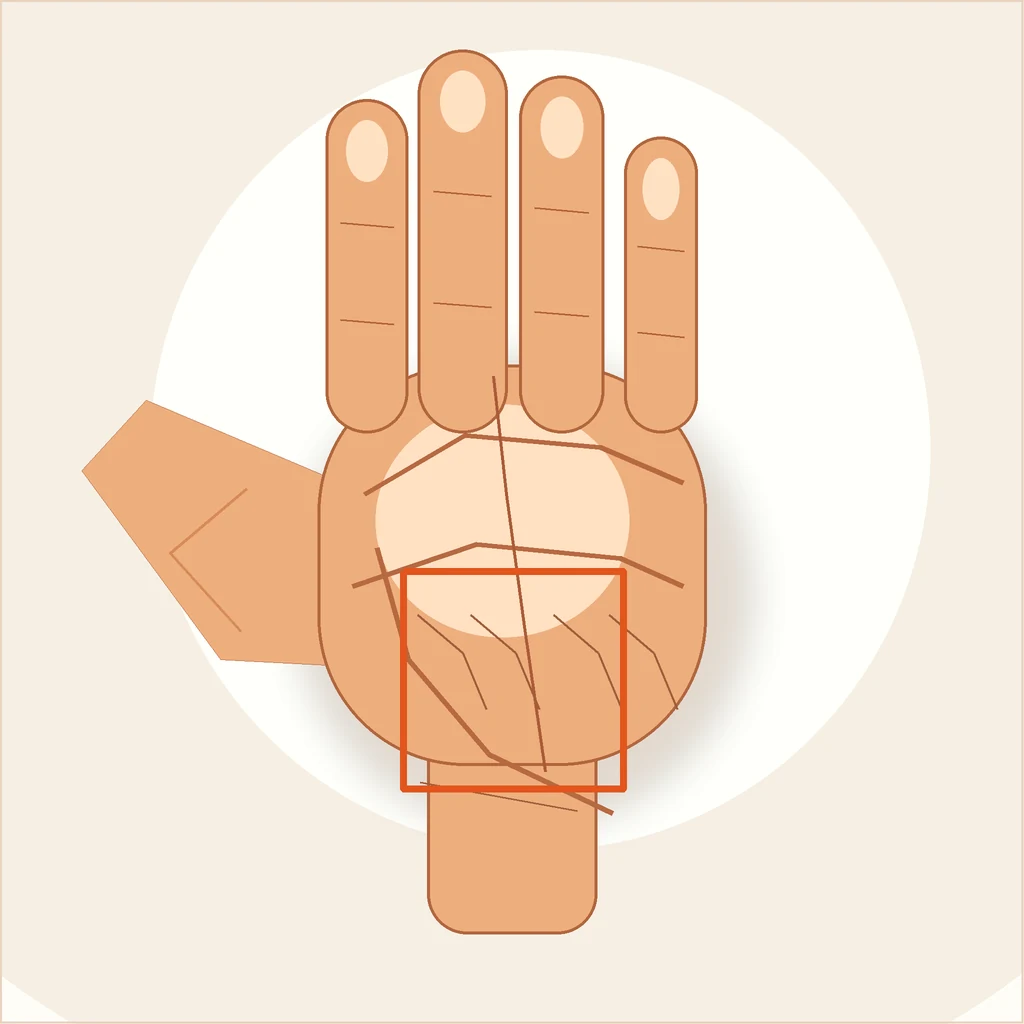
Describe visible features, compare lines, and apply a learned palmistry framework.

Cannot do

Verify future events, hidden facts, spiritual claims, or medical conclusions.

02RARITY CAVEATS

Why "rarest" is a slippery claim

No systematic population-level study has measured hand shape distribution against palmistry categories. When palmists say the Water or Psychic hand is rare, they are drawing on anecdotal observation across the clients and people they have encountered — a sample that is neither random nor large enough to make confident statistical claims.

The rarity of these hand types may also partly reflect the classification criteria themselves. The Water hand requires both a narrow palm and long fingers in the right ratio. The Psychic hand requires an even more specific combination of features. The more specific the criteria, the fewer people will meet all of them simultaneously. This is elementary statistics rather than mystical selection.

It is also worth noting that hand shapes exist on a continuum. Most hands do not fall cleanly into a single category. The "Mixed" hand is sometimes described as the most common type precisely because the majority of hands refuse to cooperate with neat classification.

03MYTHS

Myth versus reality

Myth

Having a rare hand type makes you special or gifted.

Reality

Hand shape is determined by genetics and development. Having a Water or Psychic hand shape tells you about your morphology, not your destiny.

Myth

The seven classical hand types are a universal system.

Reality

Different palmistry traditions use different classification systems. The seven-type system is primarily Western and Victorian. Other traditions organise hand types differently.

Myth

You can easily identify your hand type by looking at it.

Reality

Most hands are Mixed types that share features across categories. Definitive classification often requires measuring palm and finger proportions.

04PERSPECTIVE

Perspective

The fascination with rare hand types is really a fascination with feeling categorically unusual. Every generation finds a system — astrology, personality typologies, blood types, hand shapes — that allows people to feel both classified and distinctive. The palmistry version is at least several centuries old, which gives it a certain weathered respectability.

05TAKEAWAYS

Verdict

The Water hand (4-element system) and Psychic hand (7-type system) are both described as the rarest types.

Supporting Finding

Both feature long, narrow palms with elongated, tapering fingers.

Important Limit

No population-level data backs up rarity claims in palmistry.

Reader Guidance

Most hands are Mixed types that share features across categories.

06FAQ

FAQ

Common follow-up questions

How do I know if I have a Water hand?

Look for a palm that is slightly longer than it is wide, with fingers that are roughly as long as the palm itself — or longer. Fingers often taper slightly toward the tips. The overall impression is narrow and elegant rather than square and sturdy.

Is the Psychic hand the same as the Water hand?

They share similar characteristics but come from different classification systems. The Psychic hand (7-type Victorian system) is the more extreme version — more delicate, more tapered. The Water hand is the four-element equivalent, slightly more practical in shape.