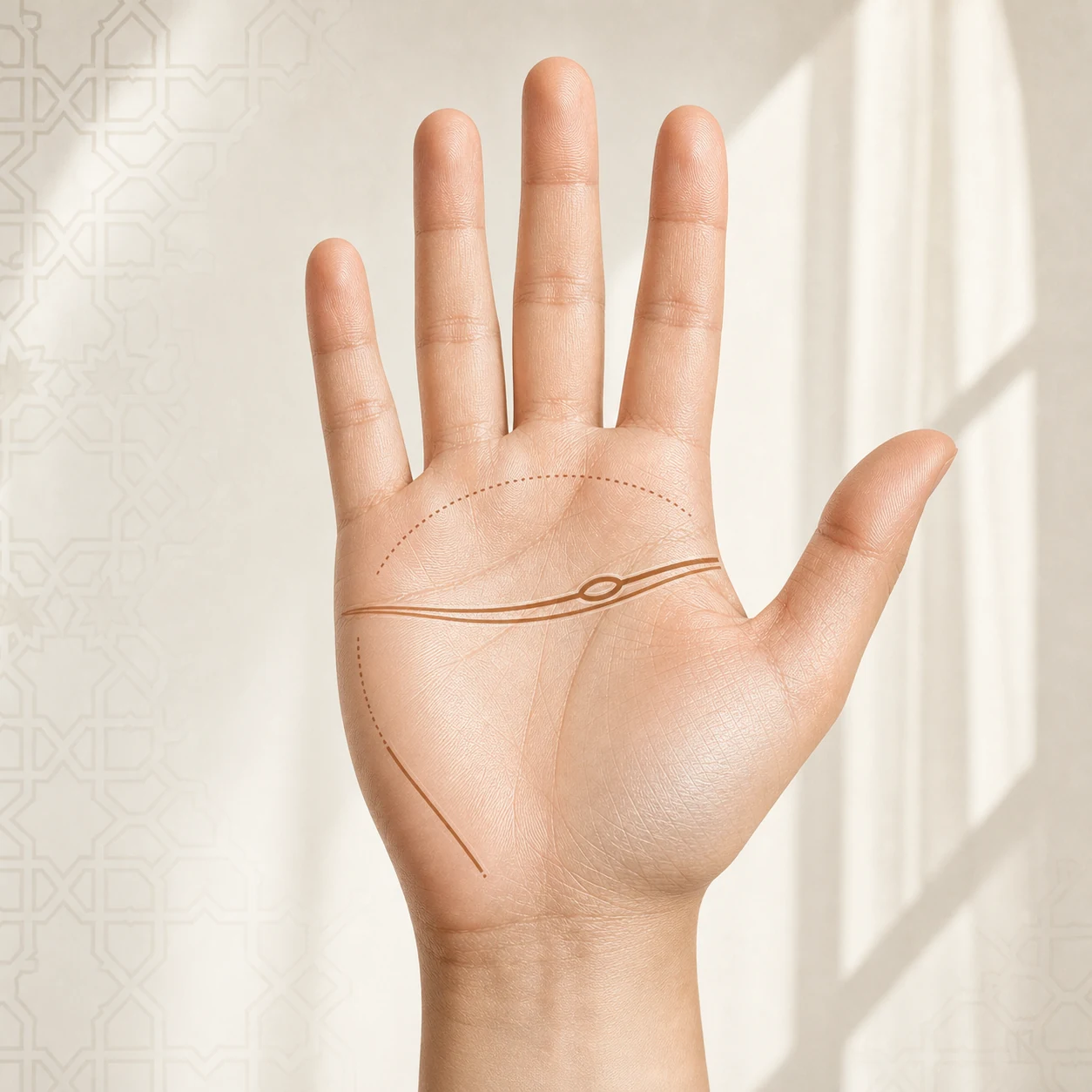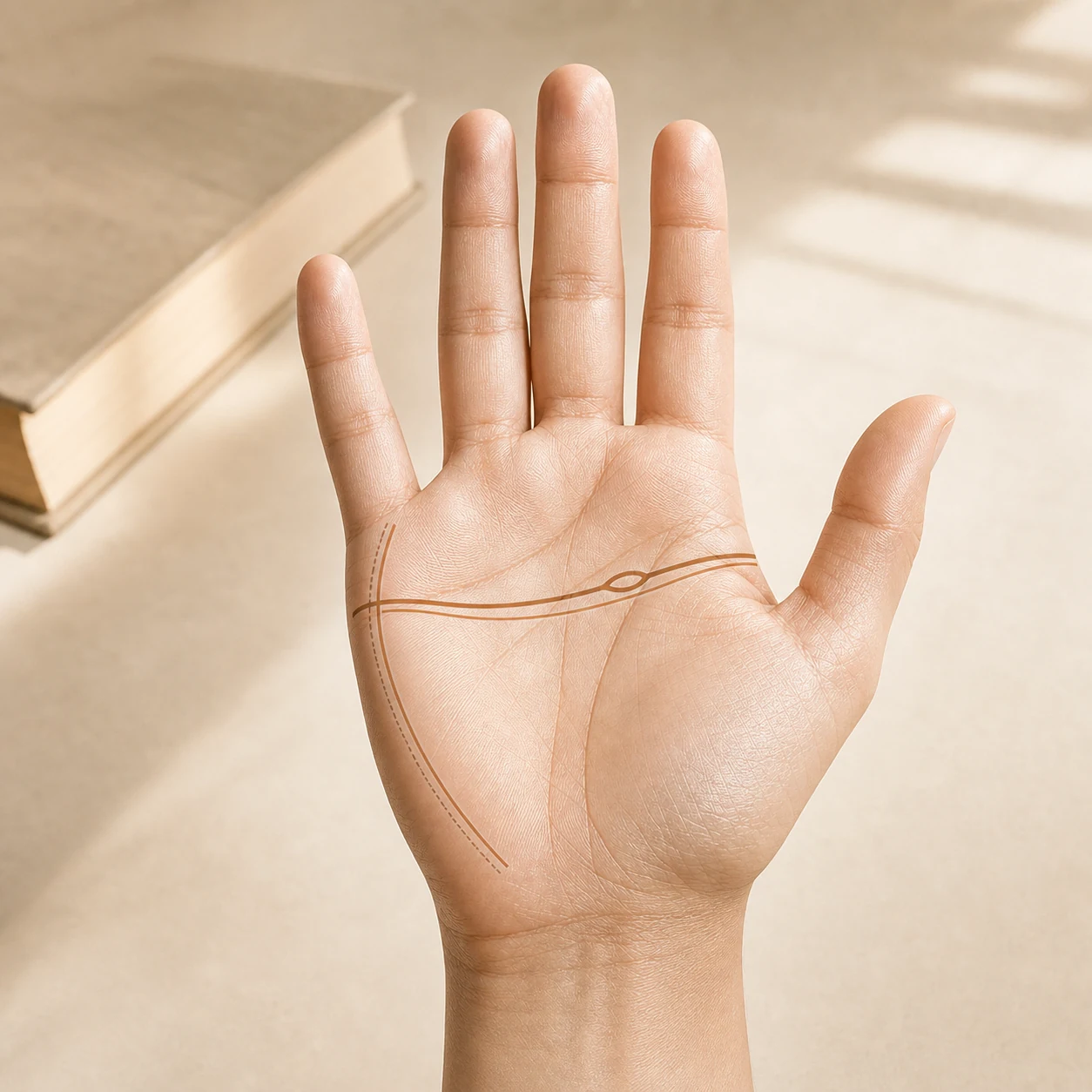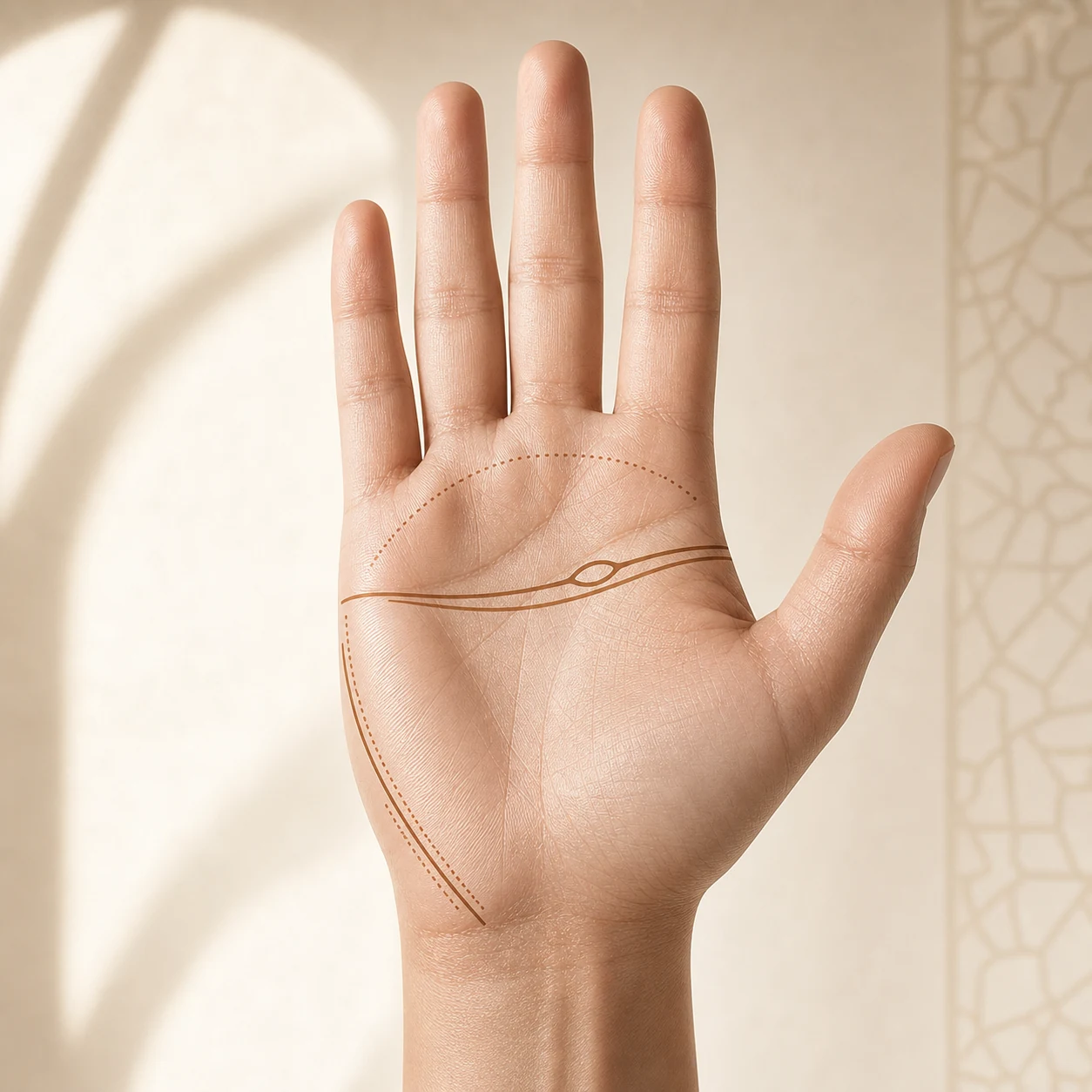
The Islamic objection to fortune telling begins with al-ghayb, the unseen. The Quran repeatedly teaches that ultimate knowledge of hidden realities and future events belongs to Allah. Fortune telling claims to access that knowledge through signs, systems, spirits, or specialists.
That is why Islam does not need a separate ruling for every technique. Palm lines, star charts, cards, omens, and crystal balls are different costumes for the same claim when they present themselves as knowledge of the future.
There is also a moral concern. Fortune telling can make people anxious, dependent, fatalistic, or willing to trust a performer more than prayer, reason, responsibility, and divine guidance.