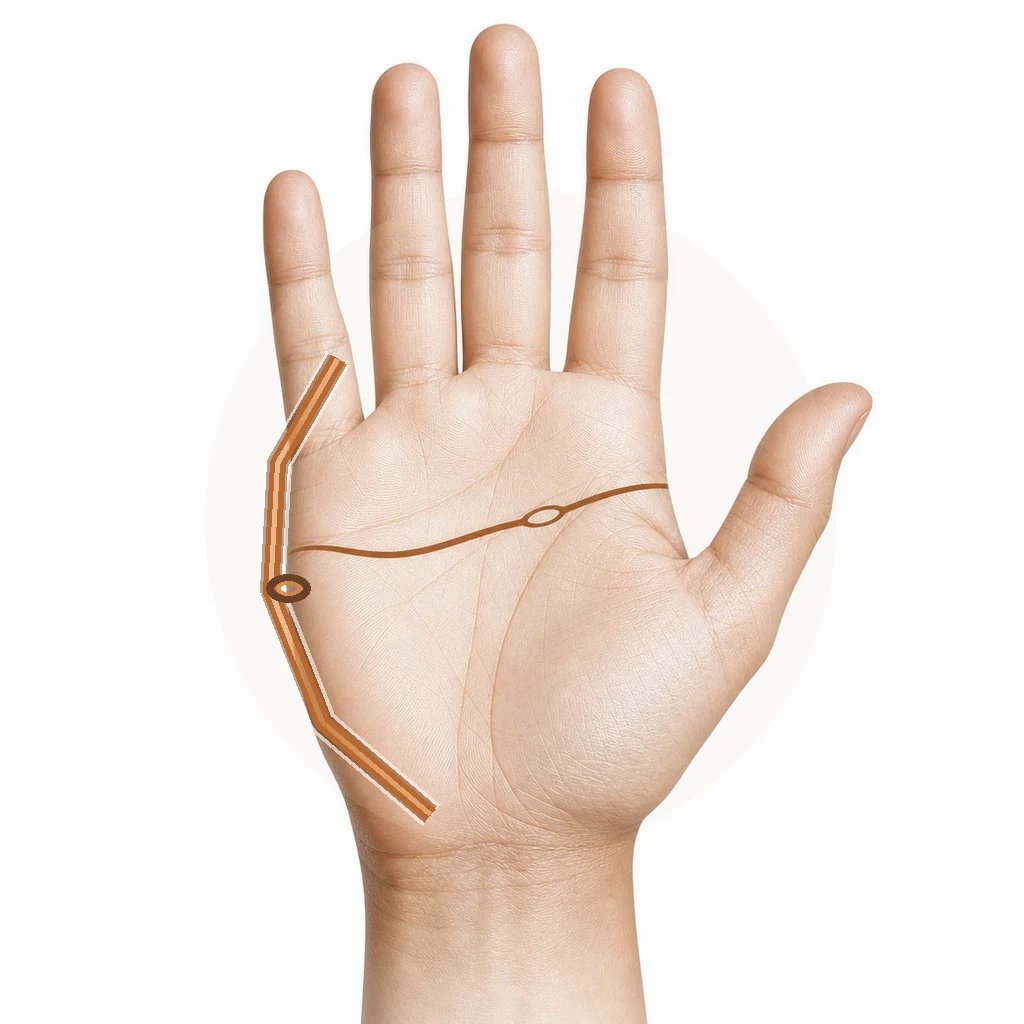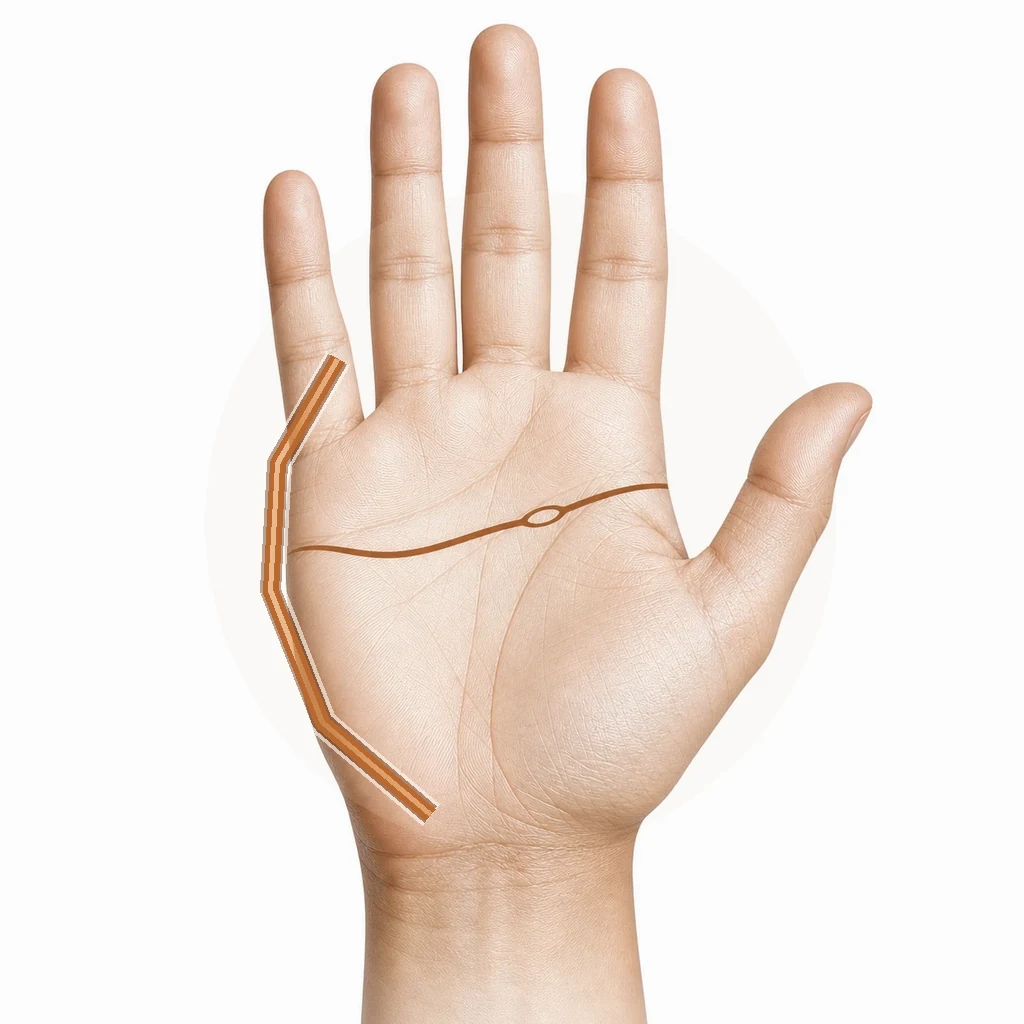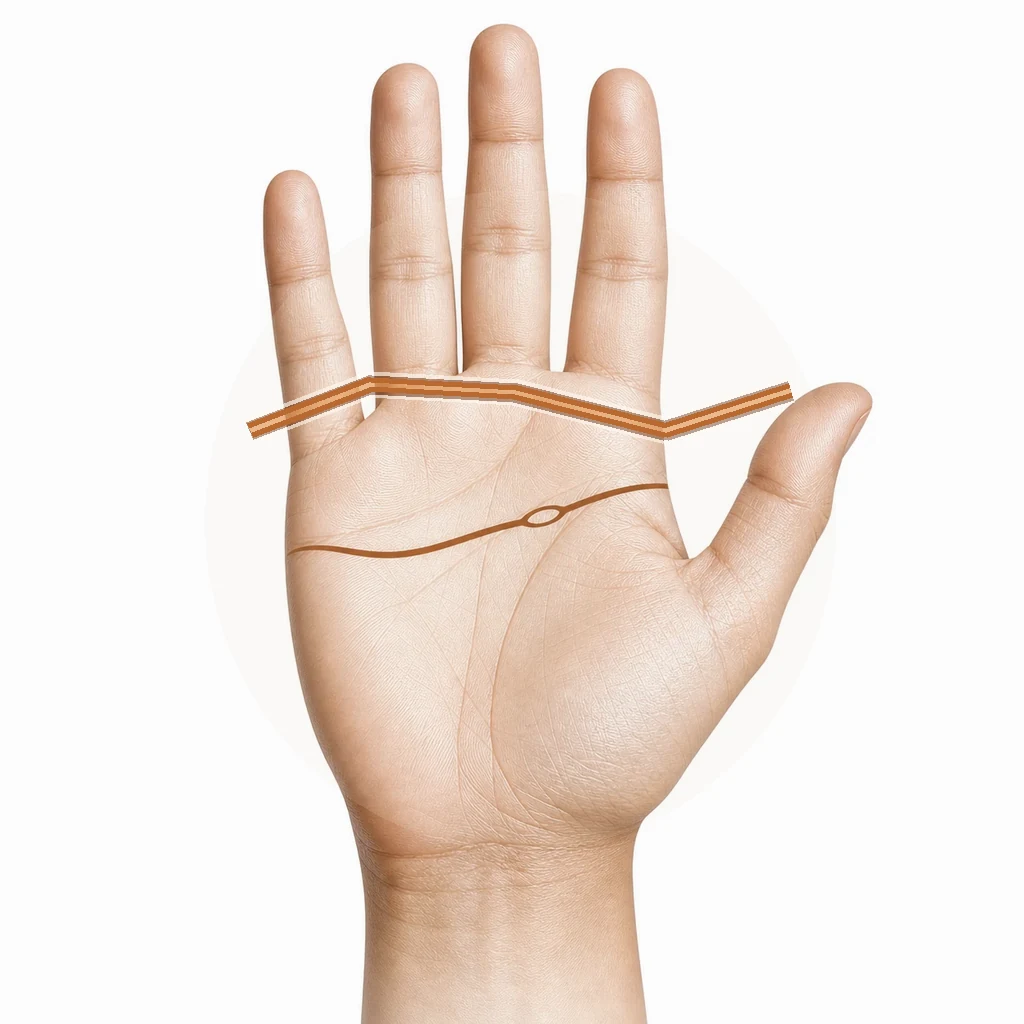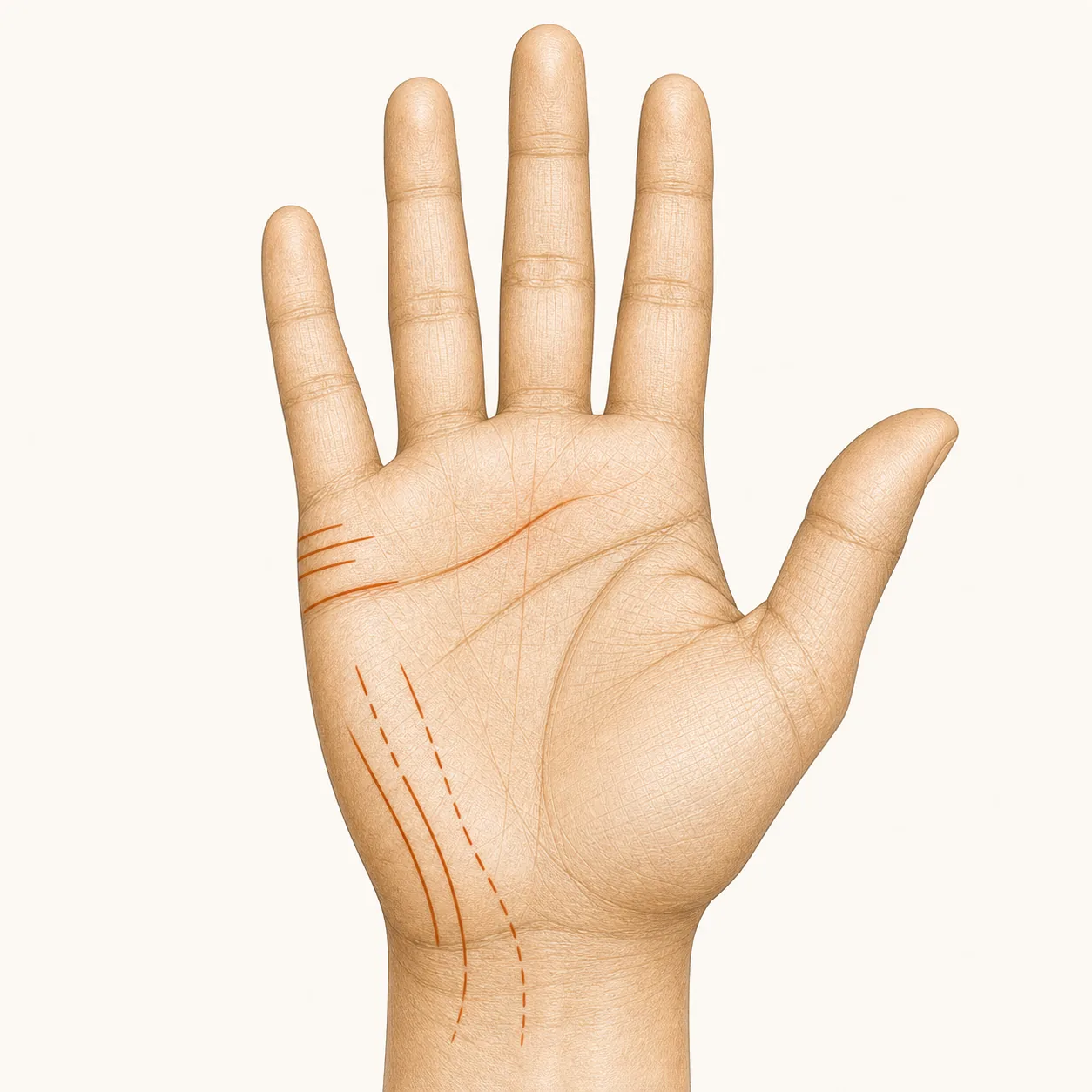
Palmistry has two traditions that bear on this question. The first is the travel lines tradition: small horizontal lines on the percussion edge of the hand (the outer edge, below the Mercury finger) that were traditionally read as journeys. More lines, more travel. A long, deep line was a significant journey. Various marks on the line were interpreted as the nature of the travel: beneficial, difficult, or dangerous.
The second is the relationship lines (sometimes called union or marriage lines) tradition: horizontal lines on the outer edge of the hand, above the heart line, that were read as significant romantic relationships. In some interpretations, the depth, length, and position of these lines were all thought to carry information about the relationship — including, in some schools, whether the partner came from "a distant place."
Both traditions were developed in contexts where "distant" meant a different town or county, not a different time zone. The concept of a relationship conducted primarily via digital communication would have been not just unfamiliar but genuinely inconceivable to most palmists who developed these systems. The traditions are, in other words, inadequately equipped for the actual question.