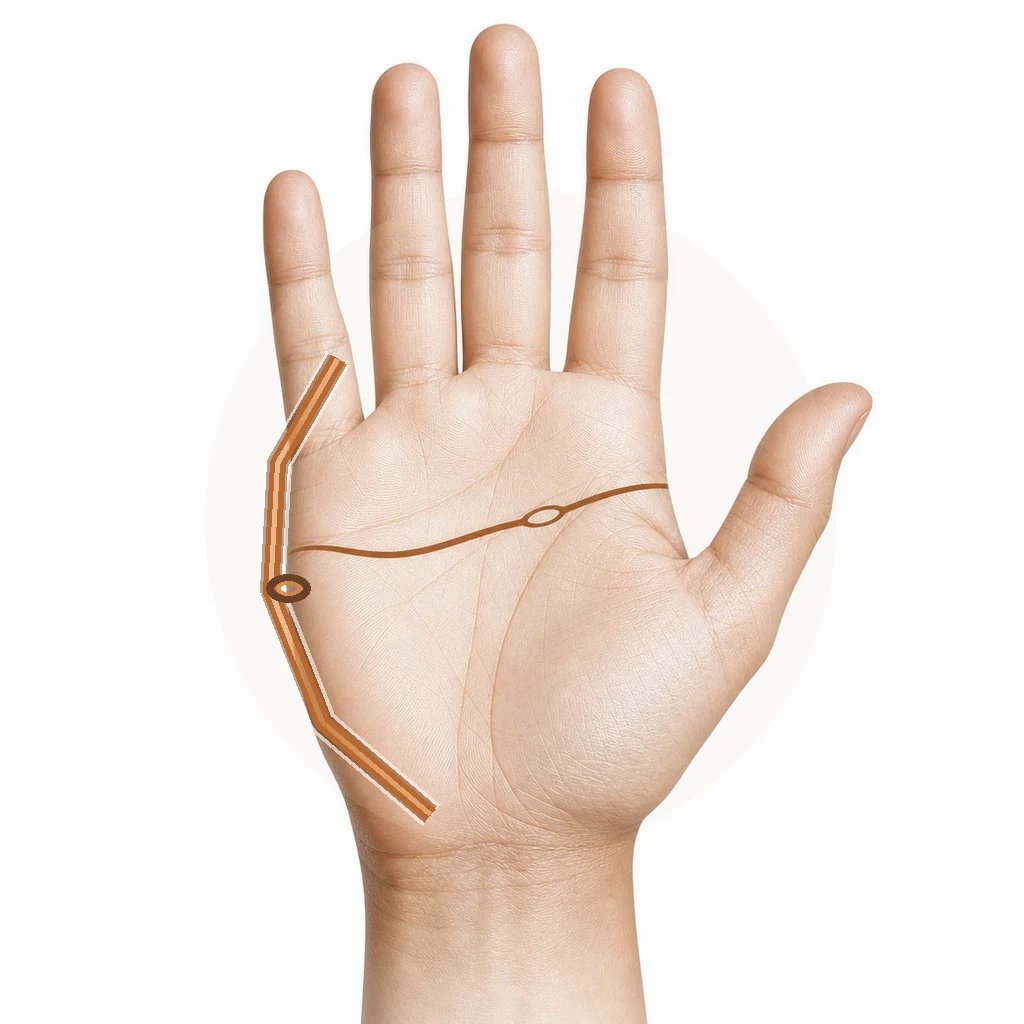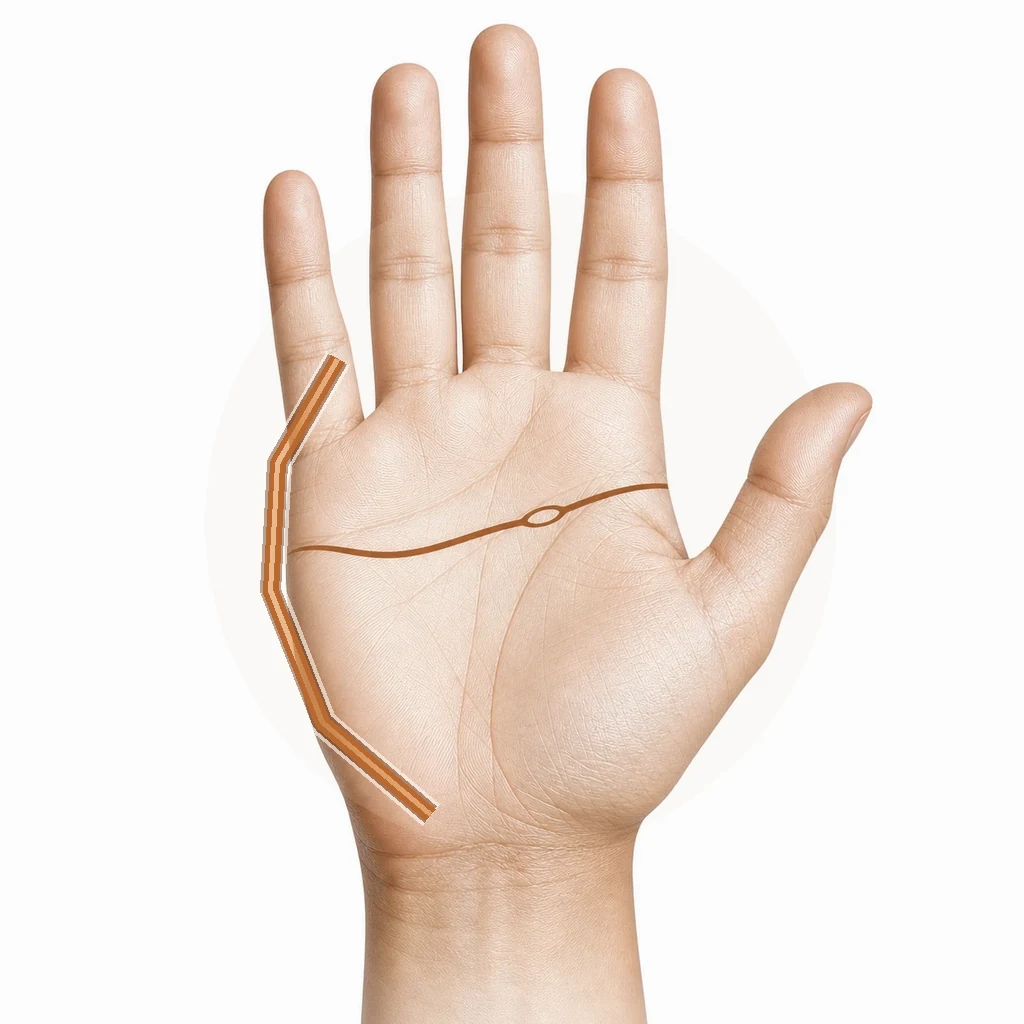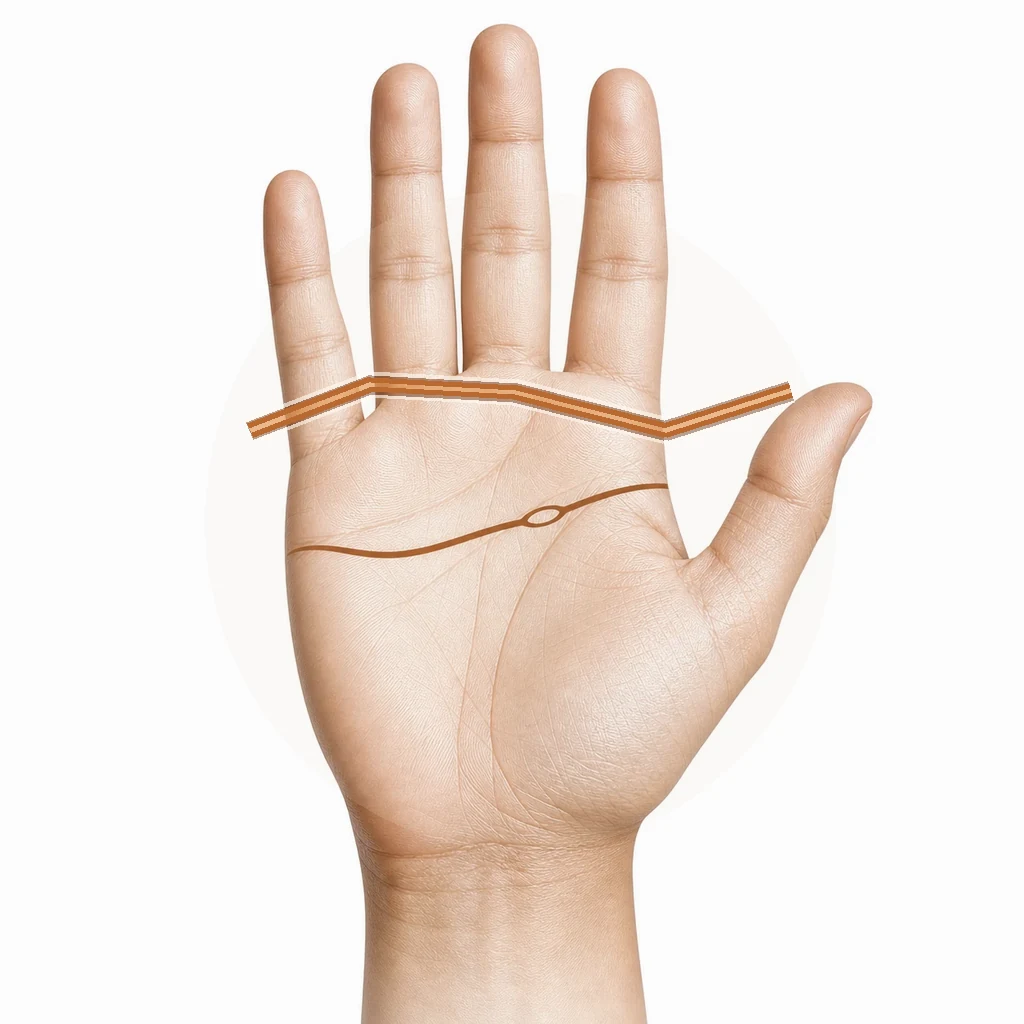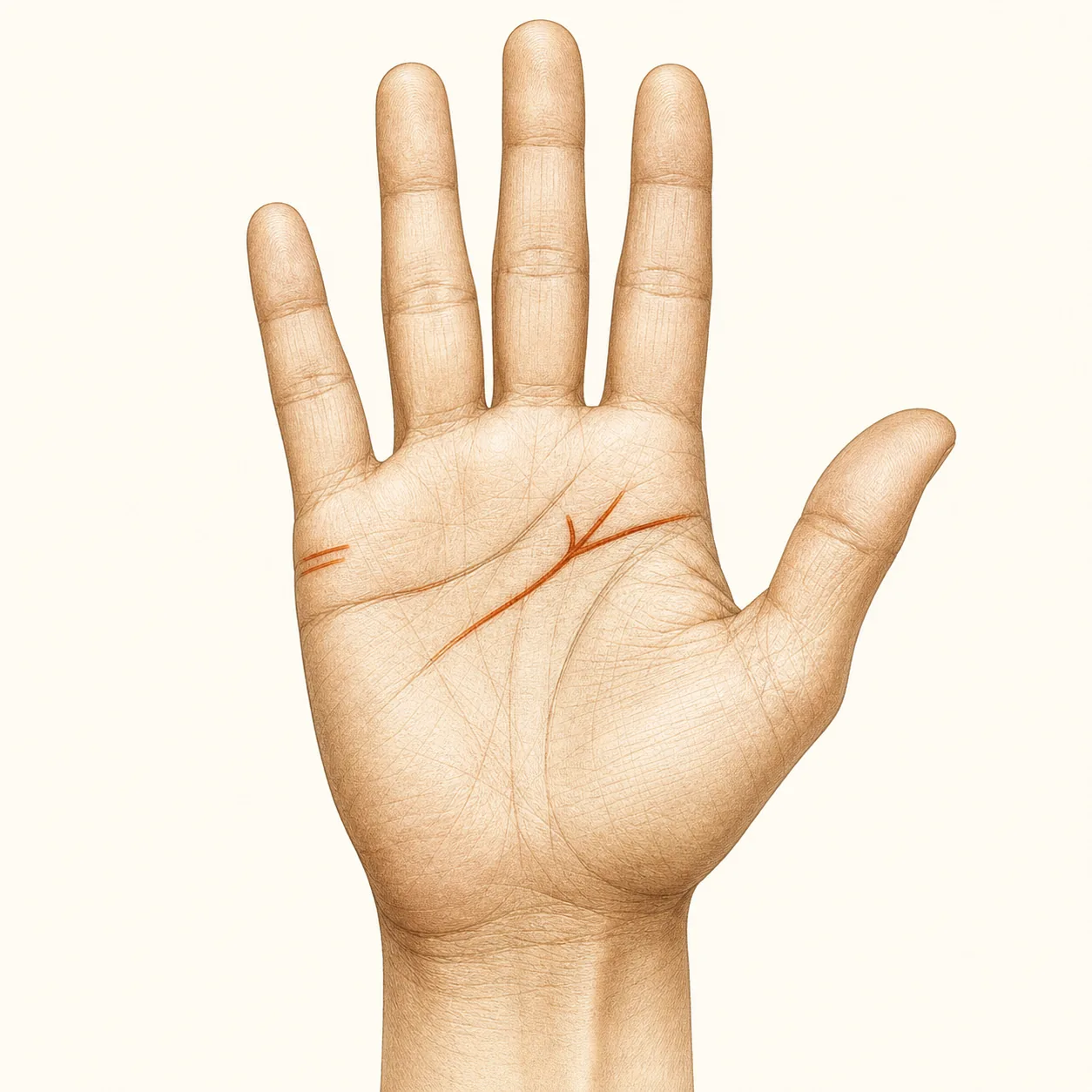
The idea that a palm can reveal a cheater has a long and rather embarrassing history. Certain 19th-century palmistry manuals — written by people who also believed that skull bumps predicted criminality — suggested that a forked or "chained" heart line indicated emotional inconstancy. A well-developed Mount of Venus, they said, pointed to excessive passion and therefore a tendency to stray. A double fate line meant a secret parallel life.
None of this was tested. None of it was verified. It was, essentially, Victorian gossip dressed up in mystical language. And yet it persists. Online palmistry forums still debate which marks make someone "prone to cheating," as if the hand is quietly filing a confession.
The truth is straightforward: there is no physical feature of any human hand that predicts infidelity. Cheating is a behaviour shaped by psychology, opportunity, relationship dynamics, and personal ethics — not the depth of a crease in your palm.