Palmistry Predictions

Can Palmistry Predict Divorce?

A broken or forked line below the little finger has been read as relationship trouble for centuries — but reading trouble is not the same as predicting its outcome.

What palmistry can and cannot say about the end of a marriage, and why the answer matters.

Quick answer

Palmistry cannot reliably predict divorce. Broken or forked union lines are interpreted as strain or complexity, not as proof a relationship will end.

None EvidenceNot Reliable PredictionPartial TraditionReflection Best Use
Editorial illustration of a palm with union lines highlighted
Museum field-note style image of an open palm on aged paper, the union line area below the little finger annotated with fine ink, warm editorial tone, no dramatic symbolism.
01Overview

Overview

The short answer

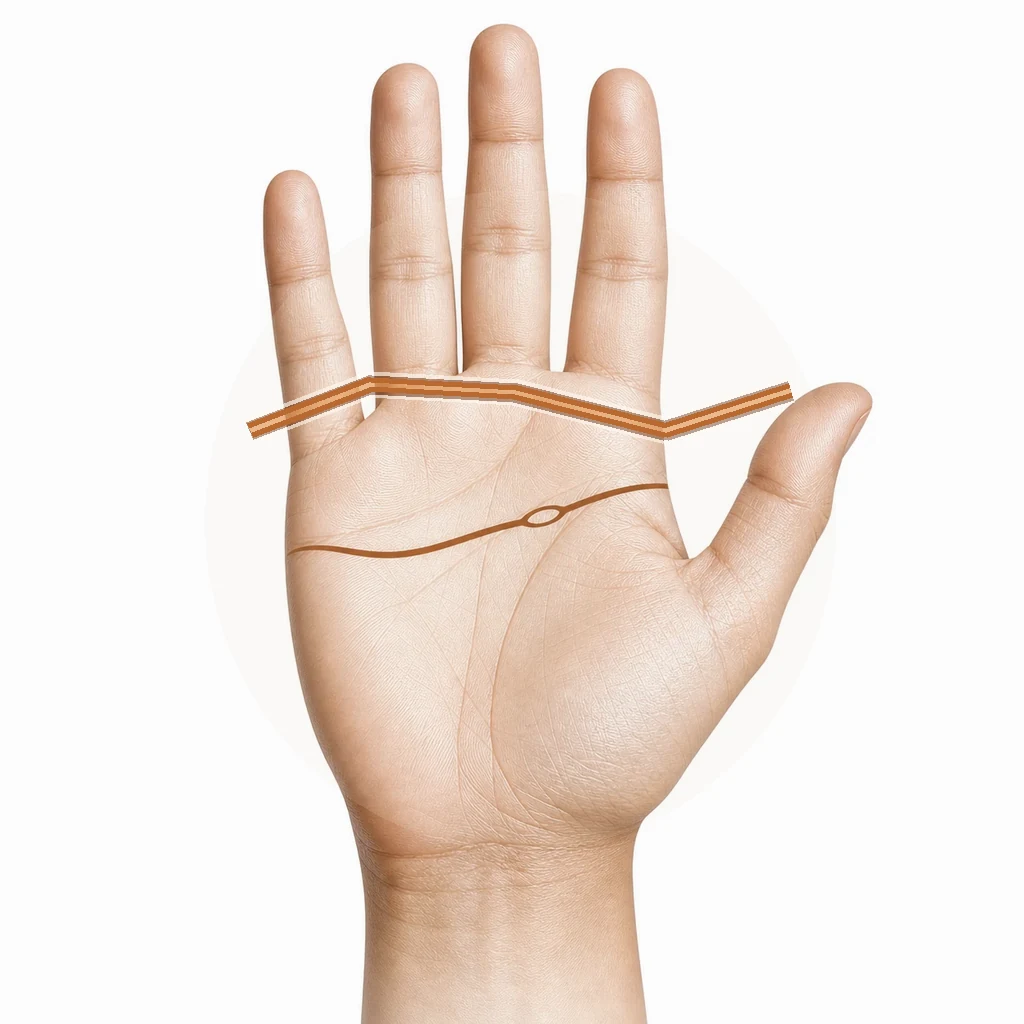
When palmists look for signs of divorce or separation, they typically examine union lines (the small horizontal marks below the little finger), looking for breaks, forks, or islands that might suggest complexity within a relationship.

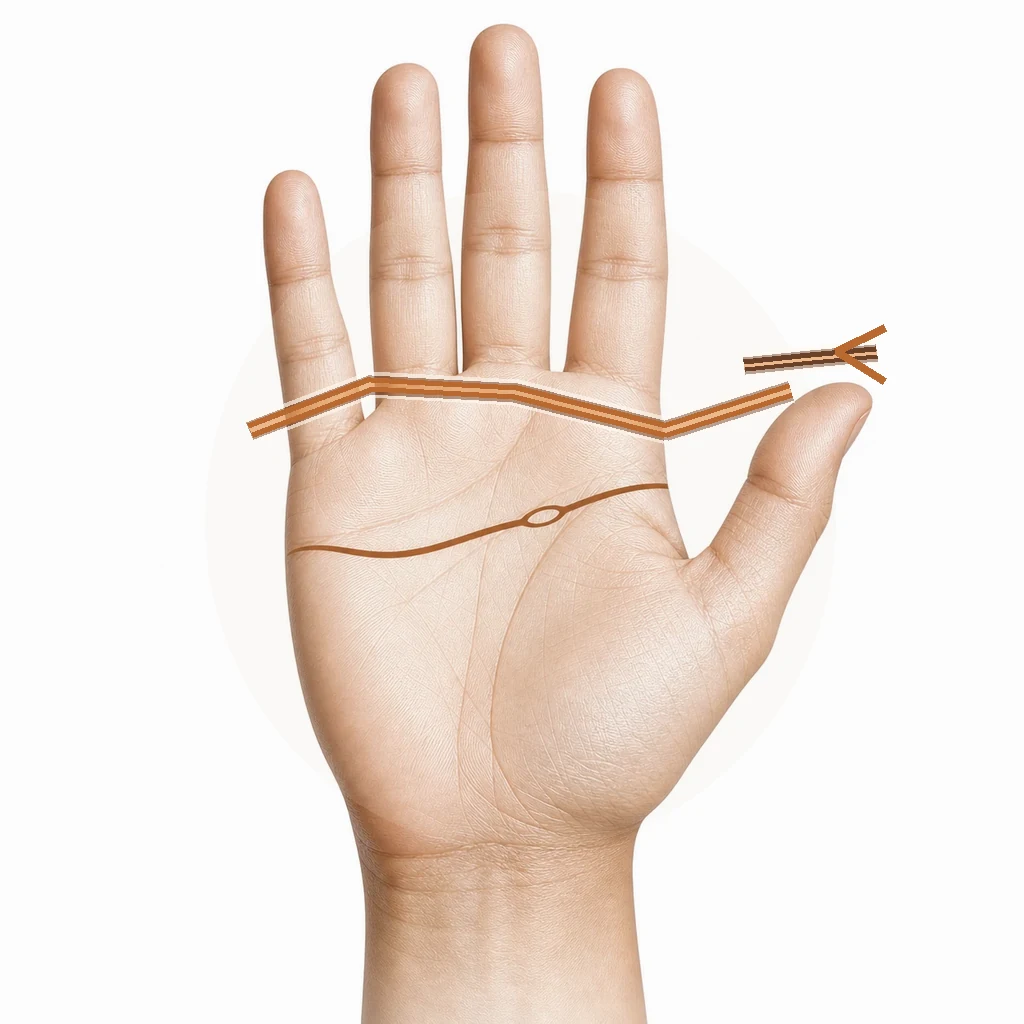
A forked union line, for example, might be read as paths diverging — but the tradition does not specify when, why, or whether legal separation is involved. The same marking on two different hands might be read very differently by two different readers.

Palmistry traditions have no verified record of accurately predicting divorce. The readings can prompt useful reflection on commitment and partnership, but should not be used to conclude a marriage is doomed.
02WHERE TO LOOK

Visual guide

Where palmists look for divorce signs

Divorce readings centre on union lines, but may also involve the heart line and the fate line for context.

  1. 1Union lineSmall horizontal marks below the little finger, associated with significant relationships.
  2. 2Forked union lineA fork at the end is sometimes read as separation or diverging paths.
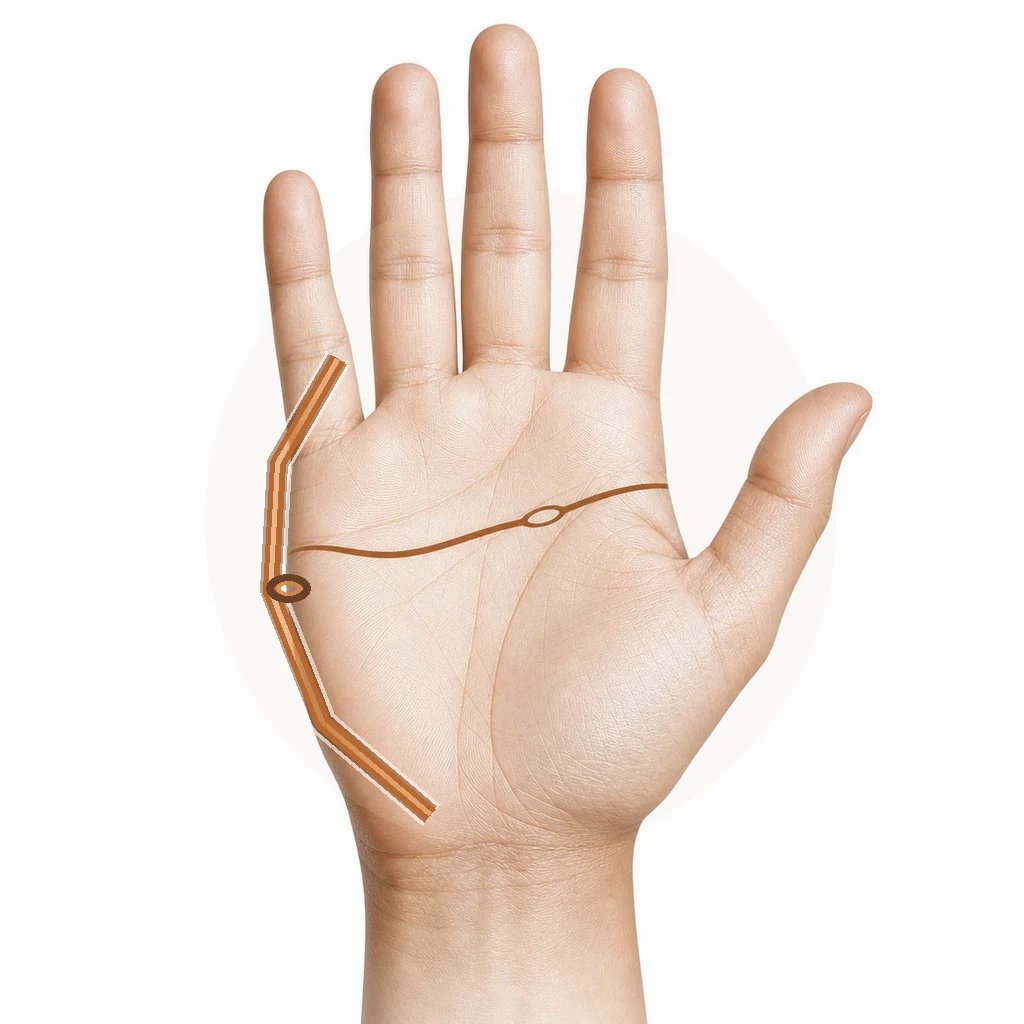
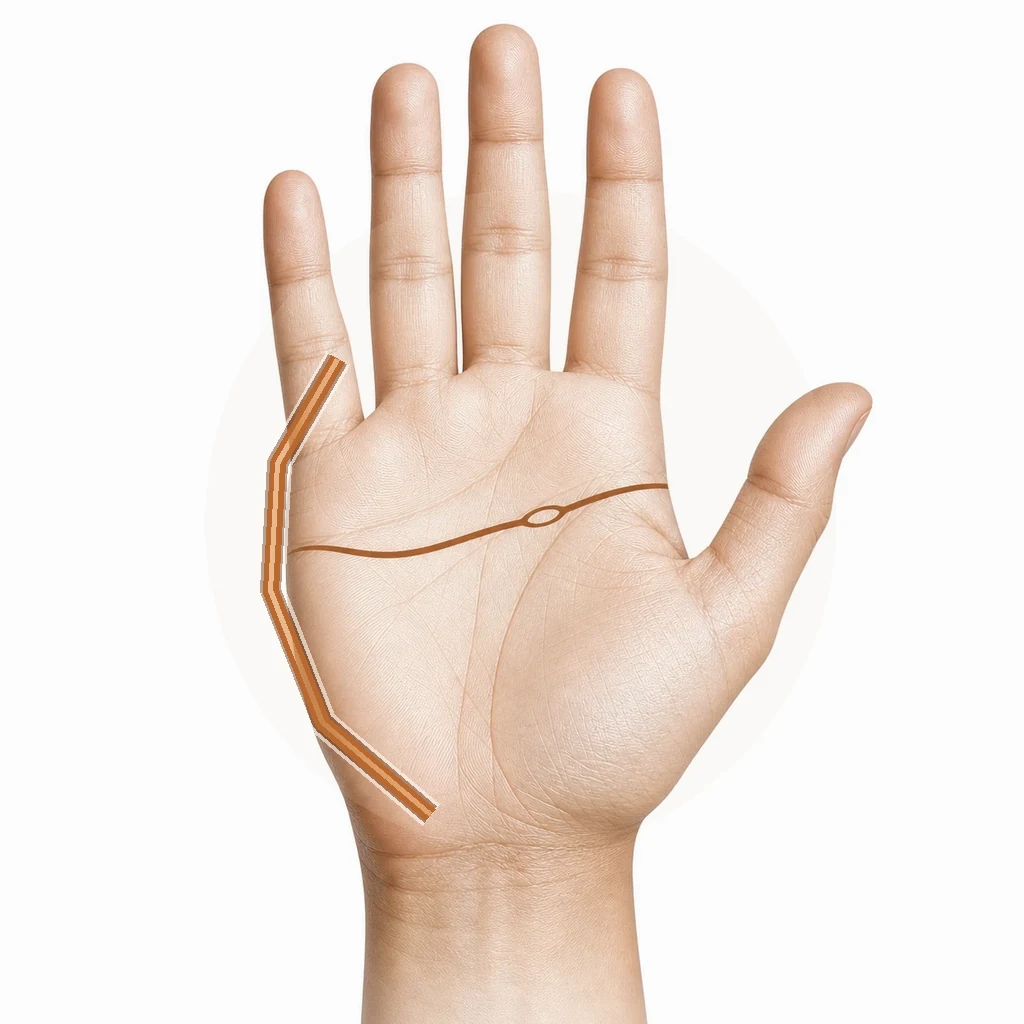
  3. 3Heart lineEmotional style and attachment patterns.
  4. 4Fate lineMay be read for major life direction changes that coincide with relationship shifts.
03PALMIST CLAIMS

What palmists claim

Palmists who address divorce typically point to a forked or broken union line as suggesting strain, separation, or a relationship that ends. A line that forks into a Y shape is sometimes called a divorce fork, though this label is not universal.

More cautious readers interpret such markings as significant emotional shifts rather than legal outcomes — acknowledging that relationships end in many ways and that the hand cannot specify legal dissolution versus estrangement or loss.

04SKEPTIC VIEW

What skeptics say

Skeptics point out that union lines vary enormously between individuals, that the same marking is interpreted differently by different readers, and that there is no study linking fork shapes to divorce rates. Telling someone their marriage will end based on a hand line risks becoming a self-fulfilling prophecy.

05DIVORCE MYTHS

Myth versus reality

Myth

A forked union line guarantees divorce.

Reality

It is one possible interpretation of many; most readers treat it as a sign of difficulty, not a confirmed outcome.

Myth

No union lines means no relationships at all.

Reality

Not having clear union lines is common and does not predict loneliness or relationship failure.

Myth

Palmistry can tell you when a divorce will happen.

Reality

Timing methods in palmistry are symbolic and unverified. No year or date can be reliably extracted.

06DECISION TEST

The decision test

Should you leave or stay in a relationship based on a palmistry reading about divorce?

No. Relationship decisions belong to the people in them, informed by communication, values, and professional guidance — not a hand line.

07PERSPECTIVE

Perspective

A fork in the skin below the little finger has no postal address, no knowledge of your in-laws, and no opinion on whether you have tried couples therapy. Assigning it that authority is giving it too much credit.

08EDGE CASES

Edge cases

  • In some traditions, the non-dominant hand is read as potential and the dominant as lived experience — so a fork on one but not the other may be read very differently.
  • Multiple union lines are common, and distinguishing which is a marriage line and which is not is inconsistent across readers.
  • Receiving a strong divorce prediction from a palmist can create anxiety that damages relationships regardless of its accuracy.
09TAKEAWAYS

Verdict

Palmistry cannot reliably predict divorce.

Supporting Finding

Forked or broken union lines are read as relational strain, not confirmed outcomes.

Evidence Status

No timing method for separation has been scientifically verified.

Practical Use

Relationship decisions should not be based on palmistry readings.

10FAQ

FAQ

Common follow-up questions

What is the divorce fork in palmistry?

A term used for a union line that splits into a Y shape at the end. Some readers interpret it as separation or diverging paths, but there is no consensus or verified link to legal divorce.

Can palmistry tell if my spouse will cheat?

No. Palmistry has no verified ability to reveal another person's behaviour or future choices.

Should I be worried if my union line is broken?

No. Breaks in union lines are common, vary with age and hand use, and are not confirmed predictors of relationship endings.