Palmistry Predictions

Can Palmistry Predict Enemies?

It says something rather revealing about human nature that palmistry developed a whole vocabulary for enemies. Not just "someone who dislikes you" but specific categories: open enemies, hidden enemies, rivals who undermine your career, false friends who smile to your face and work against you behind it. The old palmistry texts read like a paranoia manual, albeit one with very elegant Victorian typography.

The tradition is real and surprisingly detailed. Lines from the life line were called "opposition lines" or "enemy lines" by various schools. So the question deserves a proper answer: is there anything to it?

Looking for enemies in your palm is like looking for bad reviews in your fingerprints. The data isn't there, but the anxiety that drove the search certainly is.

Quick answer

No. Palmistry cannot predict enemies. The "opposition lines" and "enemy marks" tradition is one of palmistry's most socially damaging, having been used historically to justify suspicion of perfectly innocent people.

No Predicts enemies?Extensive Enemy line tradition?Rejected Modern view?High Harm potential?
Palm with opposition lines visible, analytical editorial mood
Editorial image, open palm, cool steely tones, thoughtful and questioning mood, no theatrical menace.
01Overview

Overview

The short answer

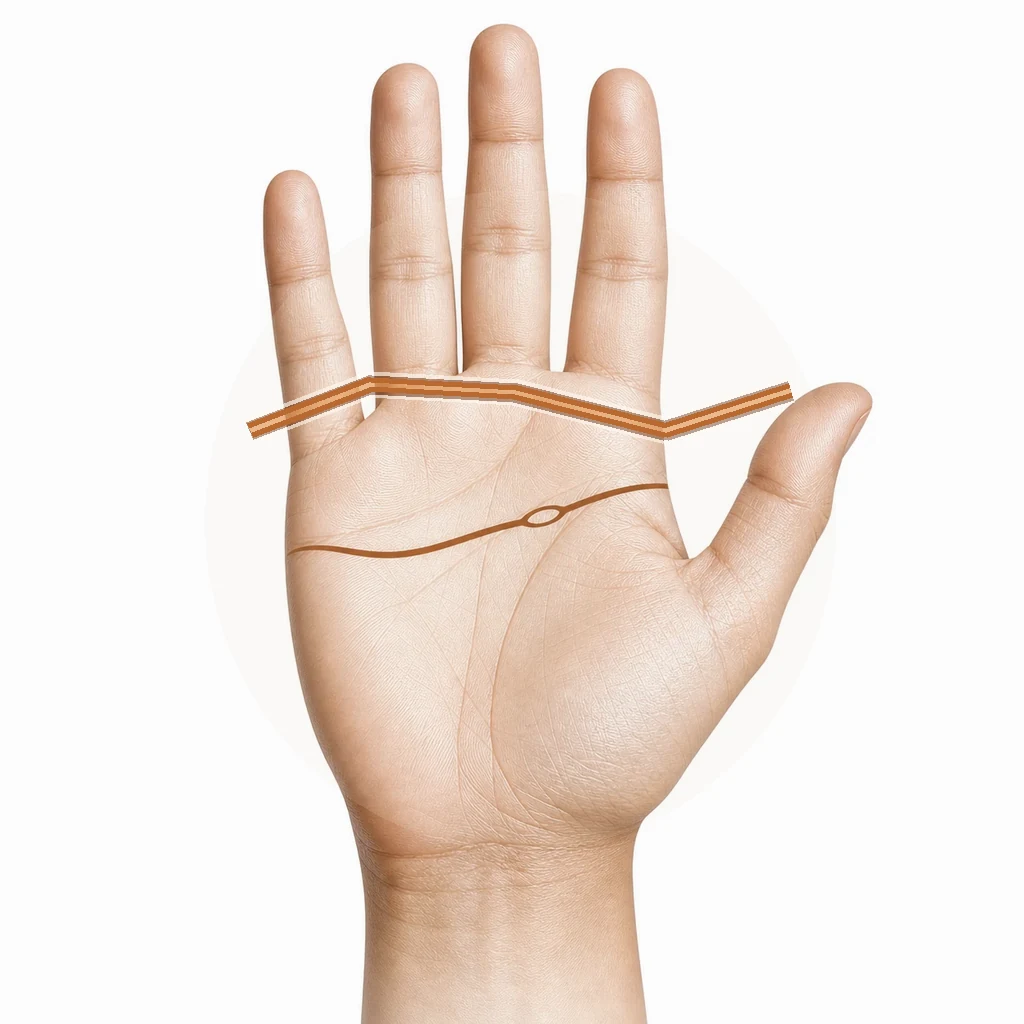
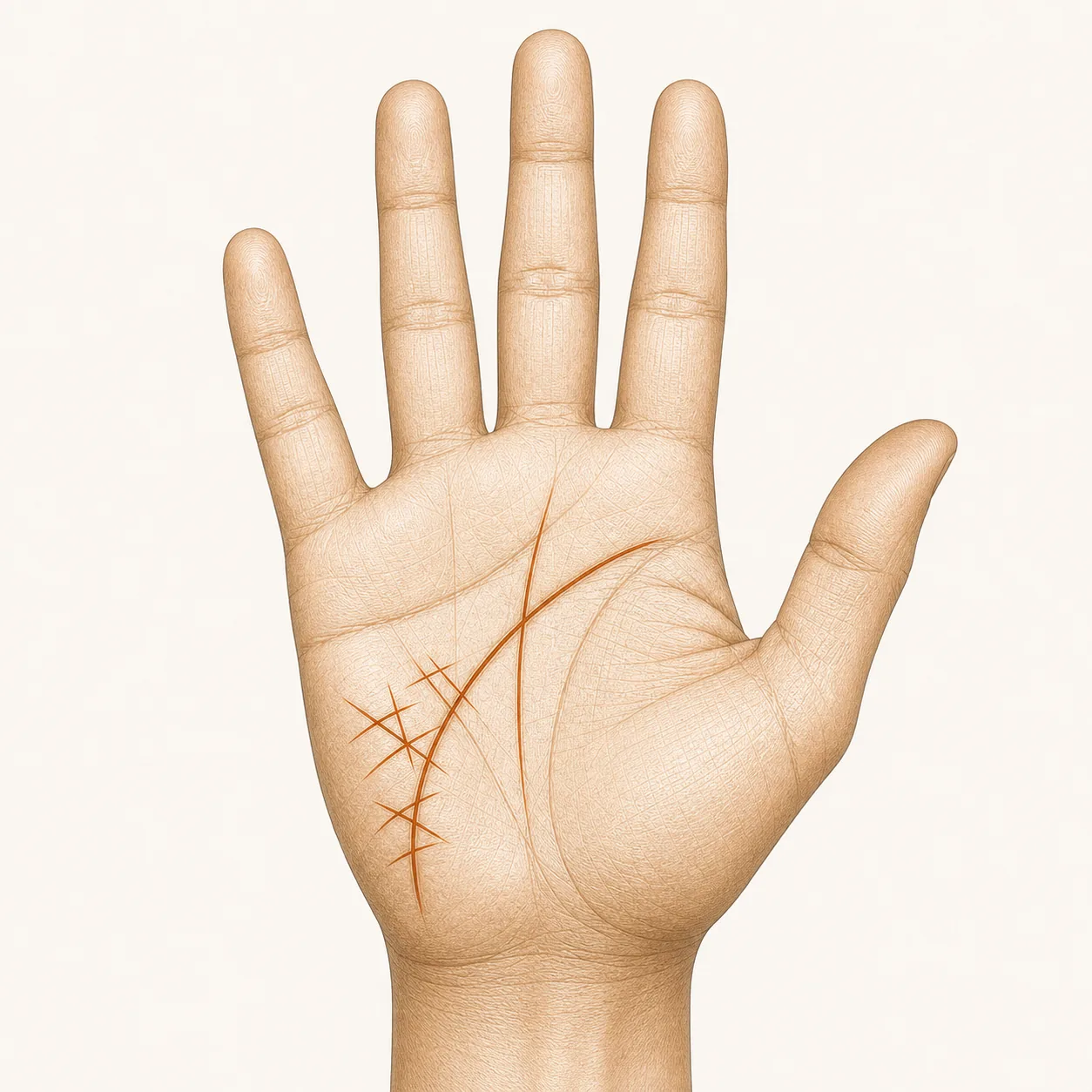
Opposition lines, also called interference lines or rival lines depending on which tradition you consult, are small horizontal lines that cut across the life line from the outer edge of the palm. In traditional palmistry, these were read as enemies, rivals, or people working against the subject. The more of them there were, the more embattled one's life was said to be. Some palmists counted them carefully. Others just looked grim and said "you have powerful enemies."

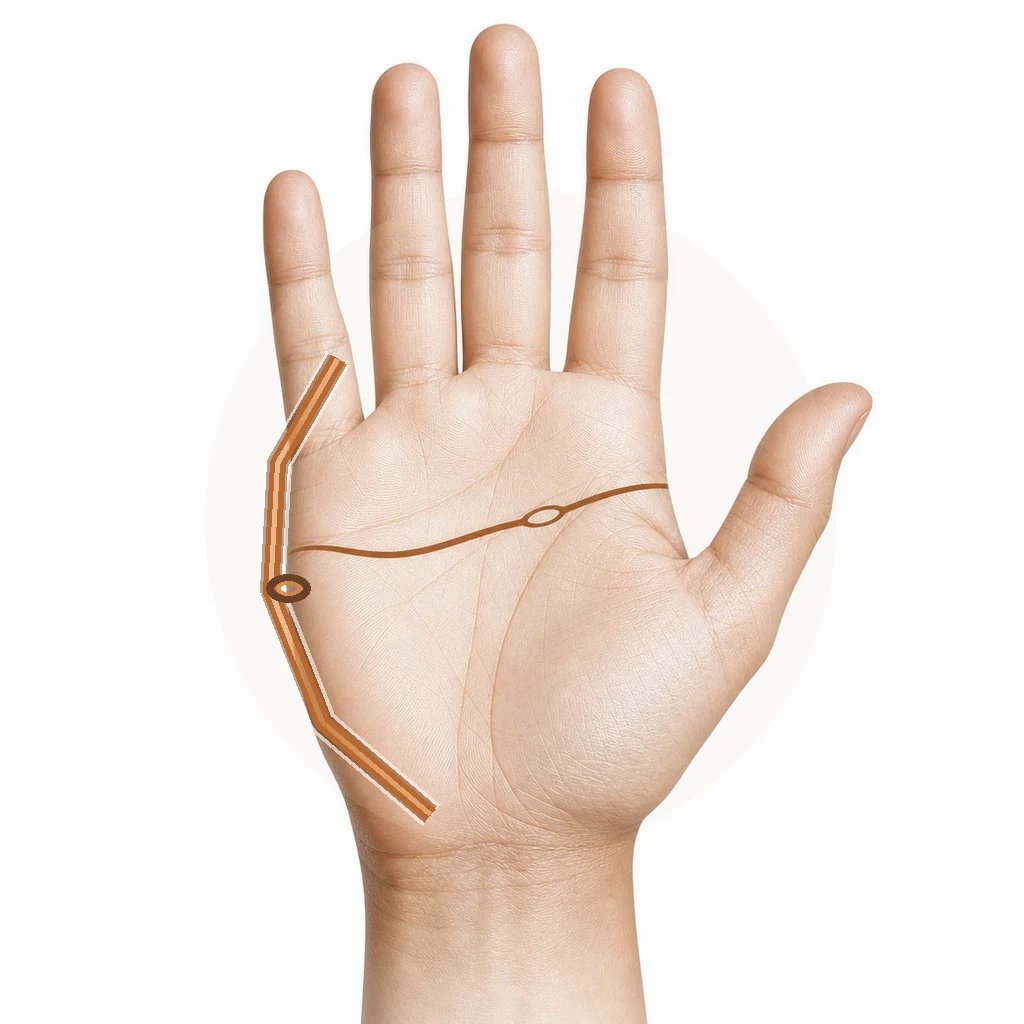
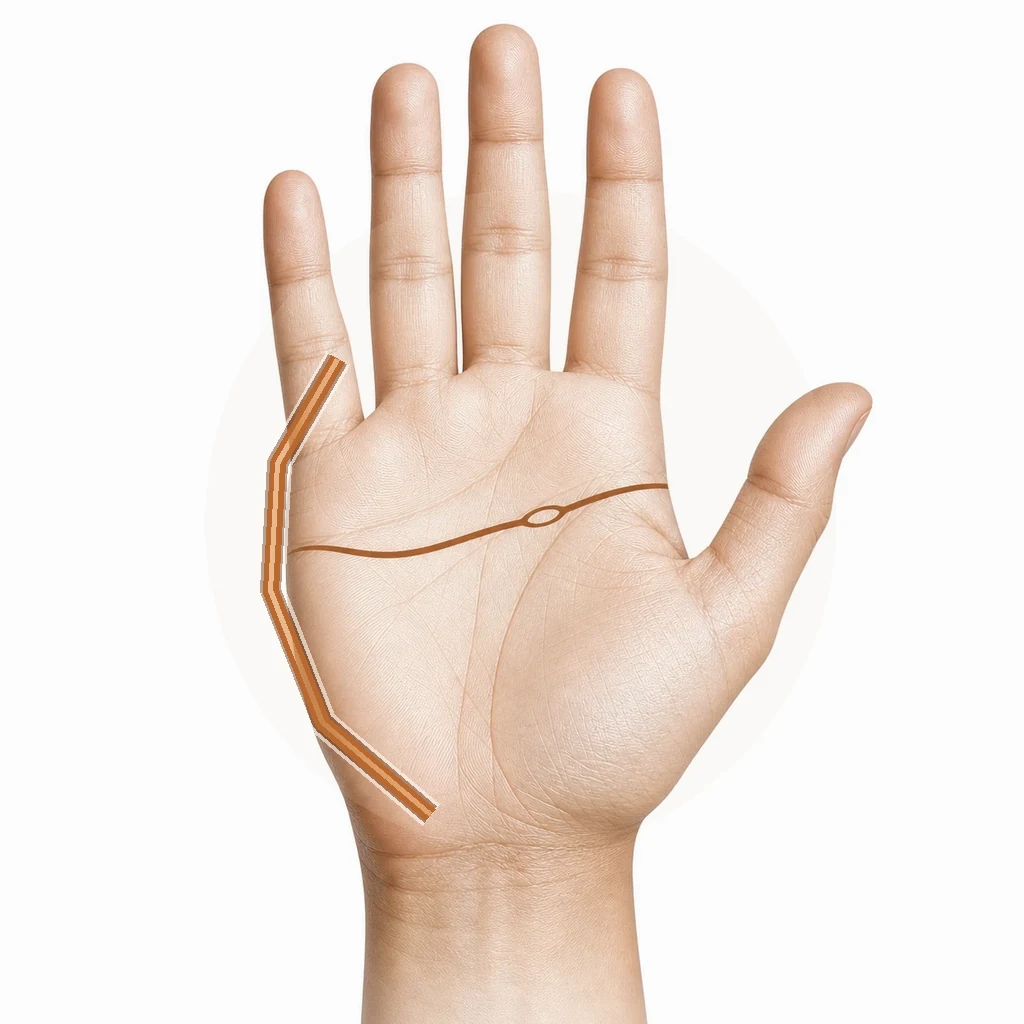
In Indian palmistry, the concept of "Shatru rekha" — enemy lines — was particularly developed. Lines in certain zones of the hand were taken as indicators of people in the subject's life who bore them ill will. The interpretation could extend to predicting when the enemy would strike, from which direction (professional, personal, or familial), and sometimes even the nature of their opposition.

The entire edifice rests on the idea that interpersonal hostility is a fixed enough property of reality to be written in someone's hand. It is not. Whether you have enemies is determined by your behaviour, your circumstances, your industry, your social world, and a significant element of chance. None of these are encoded in skin creases.
02HISTORICAL CLAIMS

The opposition lines tradition

In Western palmistry, the small horizontal lines crossing the life line were assigned to external forces impinging on a person's vitality and progress. Some palmists read them as illnesses. Others read them as enemies. Still others read them as "events caused by other people" — which is broad enough to apply to almost anything from a difficult conversation to an actual conspiracy. The vagueness, it turns out, is a feature, not a bug: it keeps the prediction alive regardless of what actually happens.

In Indian traditions, the science of identifying enemies through palmistry intersected with the broader astrological concept of "shani dosha" — Saturnine affliction — which was thought to attract enemies and obstacles. A reader who could see both the astrological chart and the palm could construct a fairly elaborate picture of the subject's enemies, often sufficiently detailed to feel convincing even though it was not.

What makes the enemy lines tradition particularly troubling is its social application. In close-knit communities — villages, business circles, extended families — a pronouncement that someone had "a close enemy, someone you trust" was not just metaphysics. It changed how people related to those around them. Suspicion was seeded. And once seeded, it found evidence everywhere, because paranoia, once primed, is excellent at locating what it's looking for.

03THE SOCIAL DAMAGE

The social damage

A reading that tells you there are enemies around you is not a warning. It is a test of your capacity for baseless suspicion. The damage it causes is not dramatic and sudden; it is slow and quiet. You become slightly more guarded. Slightly less generous in your interpretations of people's behaviour. Slightly more likely to read neutrality as hostility. Over time, this creates the very social friction that the reading predicted — not because the palmist saw something, but because you acted on a fiction.

04ENEMY MYTHS

Myth versus reality

Myth

Opposition lines on the life line indicate enemies working against you.

Reality

Opposition lines are extremely common and widely varied. They do not indicate other people's intentions.

Myth

Palmistry can identify who in your life is an enemy.

Reality

No palm reader has ever demonstrated this ability. Ever. Under any conditions.

Myth

More opposition lines means a more embattled life.

Reality

Opposition line count varies with age, skin condition, and the angle of the reading. It tells us nothing about social conflict.

05DECISION TEST

The decision test

Should you become more suspicious of the people around you because a palm reader suggests you have enemies?

No. Treat the people in your life according to their actual behaviour toward you, not according to what a palm reader claimed to see. If you have genuine reason to distrust someone, that reason deserves to be examined on its own terms, not through a palm reading.

06PERSPECTIVE

What the enemy tradition reveals

The enemy lines tradition tells us less about human hands than it does about human anxiety. The fear of hidden opposition — of being undermined without knowing it — is universal and real. We all navigate social environments that include people who, for various reasons, do not wish us well. Palmistry's attempt to make this legible, to name it and locate it in a mark on the hand, was an attempt to give people a sense of control over something that is genuinely difficult to manage. The attempt was well-intentioned, probably. The execution was baseless. And the results, in social terms, were often damaging.

07TAKEAWAYS

Verdict

Palmistry cannot predict enemies.

Reading Context

The opposition lines tradition has no evidentiary basis.

Important Limit

Enemy predictions can damage real relationships and real trust.

Practical Use

No responsible modern palmist should use this interpretation.

08FAQ

FAQ

Common follow-up questions

What do opposition lines actually indicate in modern palmistry?

In more careful modern interpretations, they are sometimes read as external pressures or challenges — which is still vague, but at least not pointing at specific people. Most responsible readers simply note their presence without assigning meaning.

Can palmistry tell me if someone is plotting against me professionally?

No. Professional politics are invisible to palm lines. They are visible to careful observation of actual behaviour.

Is there any validated way to assess whether someone is likely to betray trust?

Psychology has some tools for assessing trustworthiness, based on observed behaviour patterns. These are imperfect. They are, however, based on actual evidence. Palm reading is not.