Palmistry Predictions

Can Palmistry Predict Financial Ruin?

Of all the things palmistry has claimed to see in a human hand, financial ruin might be the one that causes the most immediate harm. It is very easy to predict disaster. All you need is a willing audience and a mark you can point to. The problem is that "financial ruin" predictions have a way of becoming self-fulfilling: people who believe they are destined for ruin stop making the careful decisions that might prevent it.

So what does palmistry actually claim here? Are there genuine "ruin marks"? And is there any reason whatsoever to take them seriously?

Predicting financial ruin from a palm is like forecasting bankruptcy from a weather vane. The instrument is real. The connection to your overdraft is not.

Quick answer

No. Palmistry cannot predict financial ruin. Various marks — particularly on the fate line and Saturn mount — have been associated with financial loss and hardship, but these claims are unverified and can cause genuine harm by creating fear-based financial behaviour.

No Predicts financial ruin?Yes Ruin marks in tradition?Firmly rejected Modern view?High Harm potential?
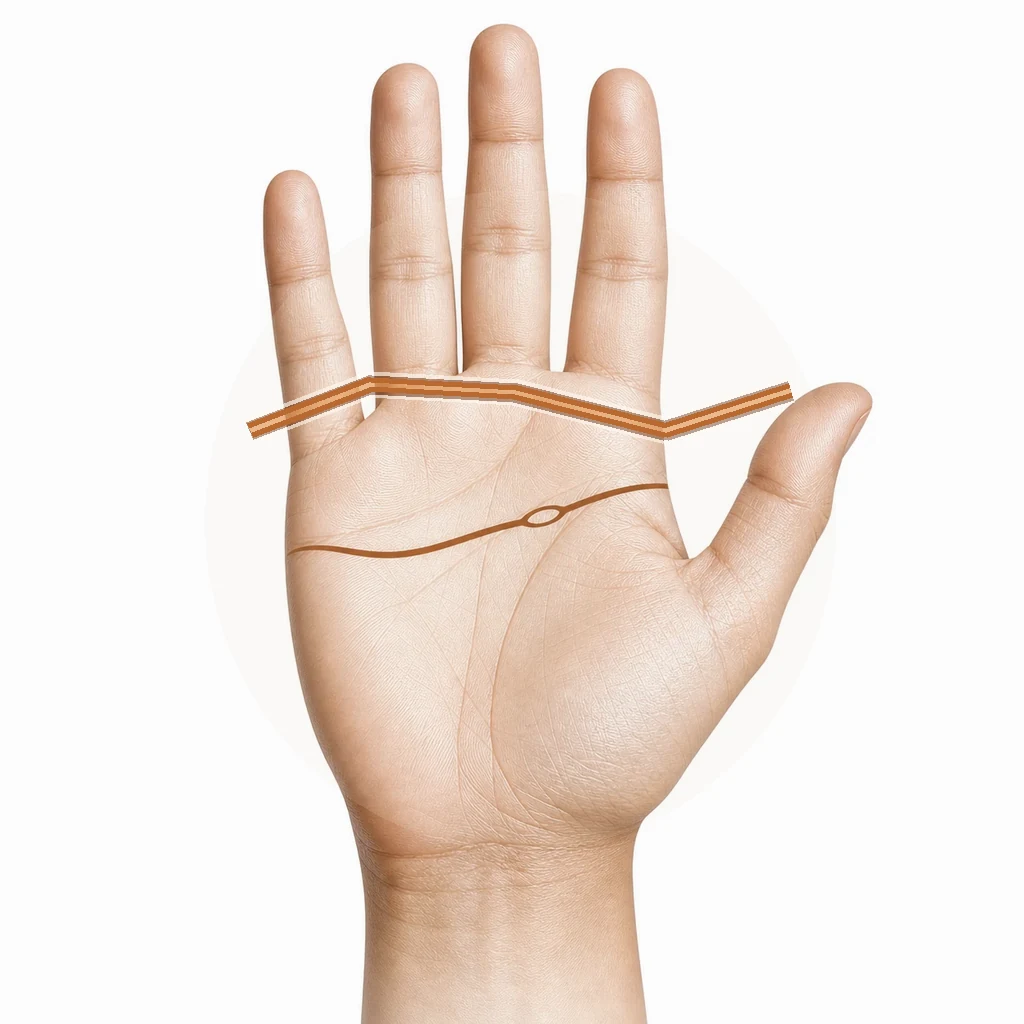
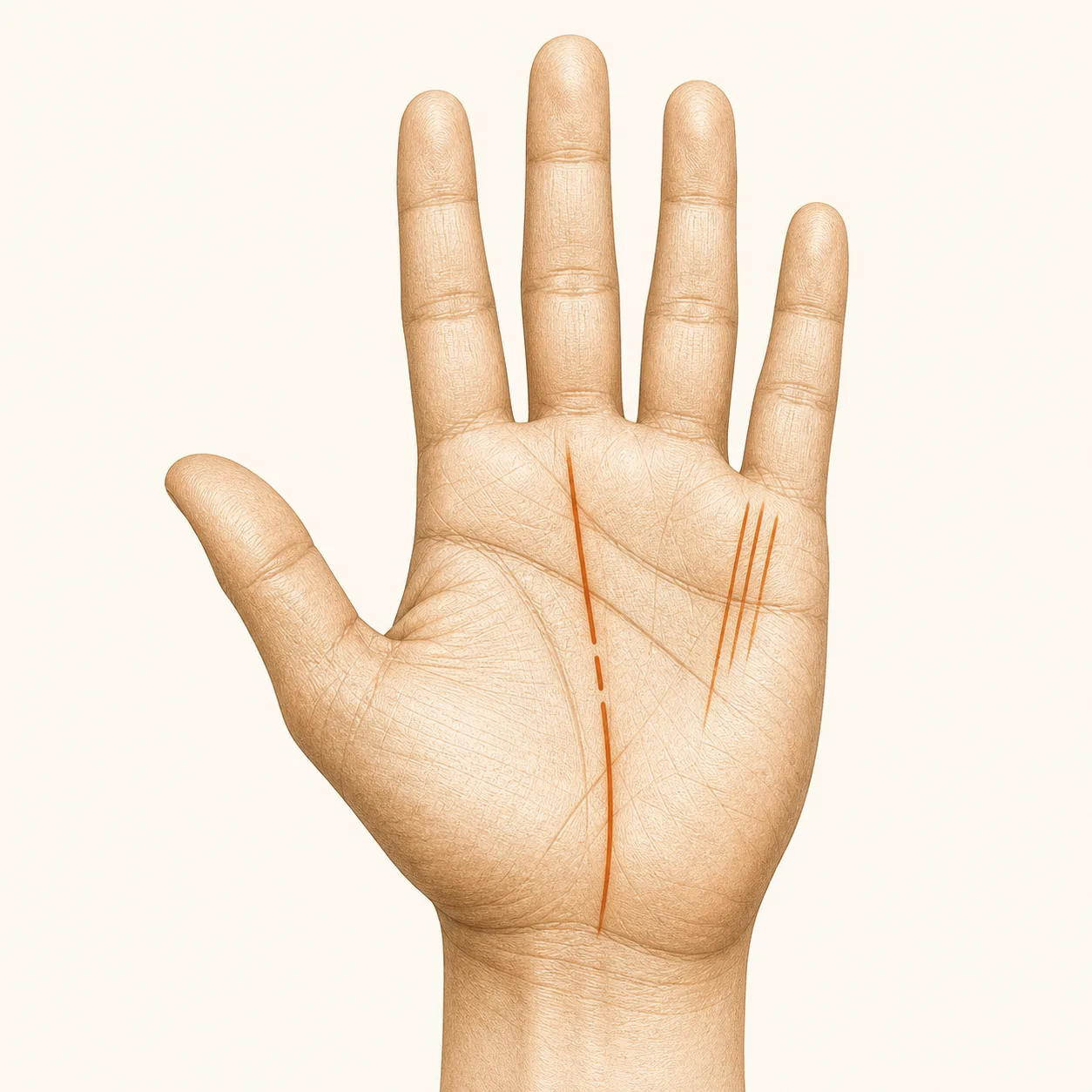
Palm with a broken fate line and cautionary marks
Editorial image, open palm, muted tones, a slightly ominous but analytical mood, not theatrical.
01Overview

Overview

The short answer

The fate line has always been palmistry's main financial indicator. A strong, unbroken fate line meant steady career and financial progress. A broken fate line meant disruption: a change of direction, a loss of income, a period of hardship. Islands on the fate line were read as periods of financial difficulty. Multiple breaks were a very bad sign indeed.

The Saturn mount — the pad of flesh beneath the middle finger — was also implicated. A poorly developed Saturn mount, or one marked with negative signs, was said to indicate poor fortune in financial matters, a tendency toward loss, or simply a life lived under the shadow of misfortune. Older texts were really quite specific about this, in ways that should make us uncomfortable.

None of these claims are validated. Financial outcomes are shaped by an extraordinarily complex interaction of economic conditions, education, social capital, health, timing, and individual decision-making. None of these factors are encoded in palm lines. Financial ruin can happen to people with magnificent fate lines. Financial security can be built by people with barely a trace of one.
02HISTORICAL CLAIMS

The "ruin marks" tradition

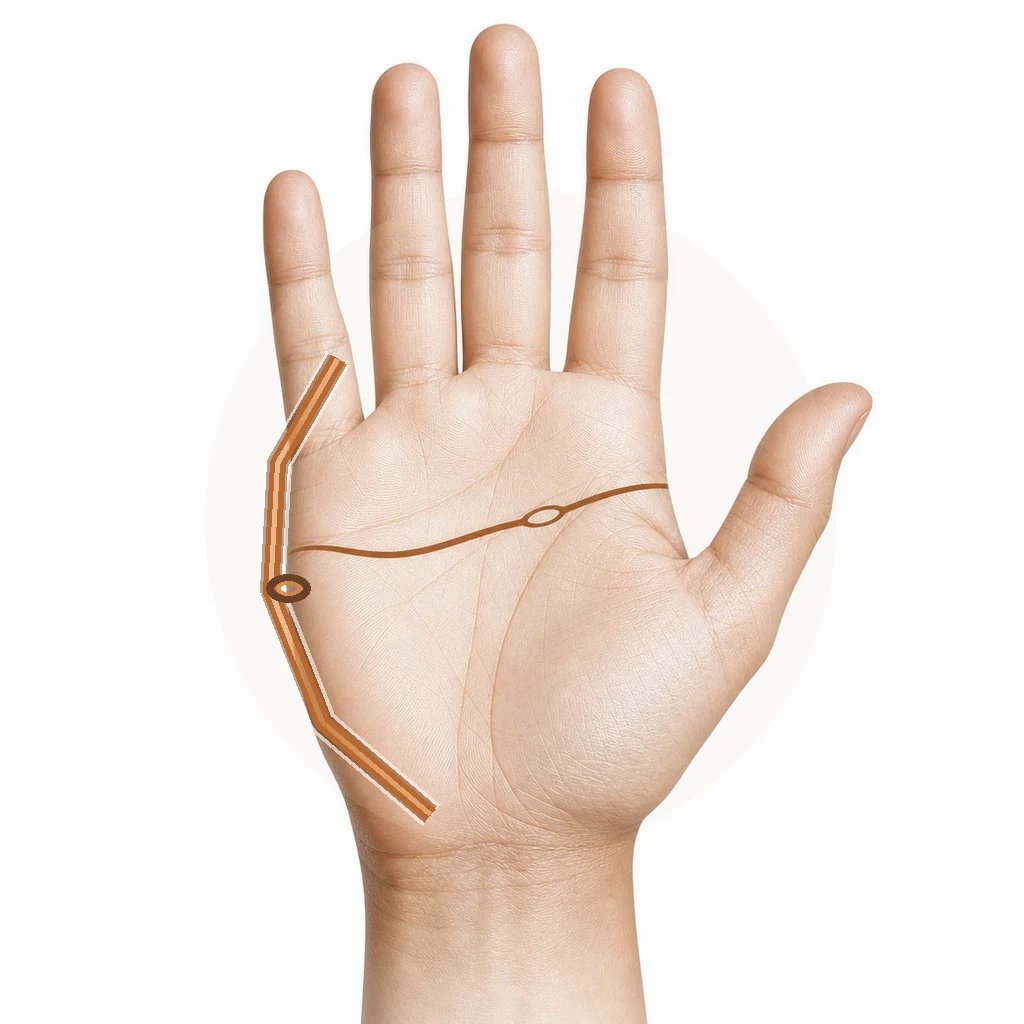
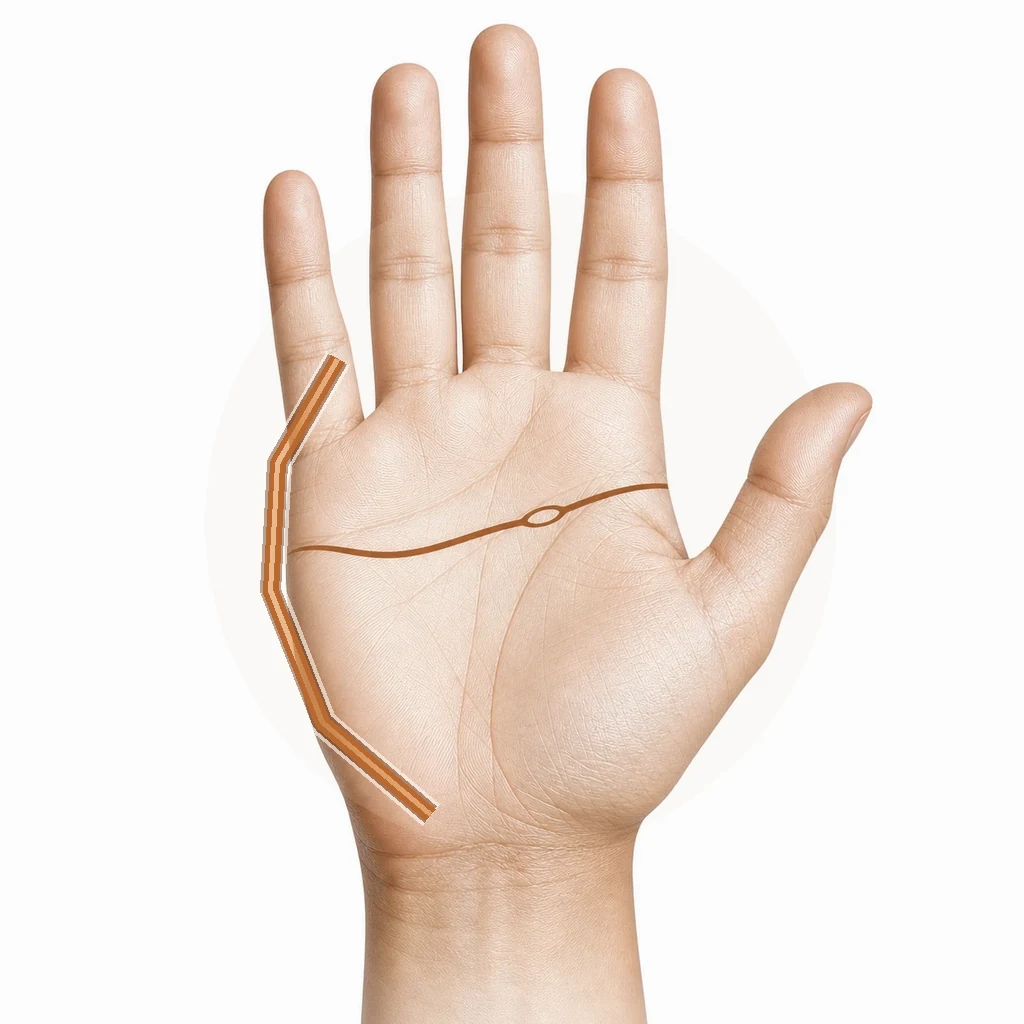
19th century palmistry was not shy about predicting financial catastrophe. A broken fate line was, in many texts, an almost unambiguous indicator of financial reversal. The precise timing of the break on the line was said to indicate the person's age when disaster would strike. Readers would examine the line and say things like "at around thirty-five, I see a significant financial disruption" — which is, when you think about it, about as verifiable as predicting that winter will be cold.

The problem is that many people who were given these predictions internalised them. They became cautious to the point of paralysis, or reckless on the basis that ruin was coming anyway. This is not a theoretical harm. It is documented in the history of palmistry's social impact on working class communities in Victorian Britain, where palmists were consulted regularly and their pronouncements were taken seriously by people who had very little financial cushion.

Modern palmistry has moved toward framing fate line breaks as "change and transition" rather than "disaster and ruin." This is an improvement. But even this framing should come with an asterisk: the timing of the change is not readable from the line, and "change" is such a universal human experience that it barely counts as a prediction.

03WHY THIS ONE MATTERS

Why this one matters

Someone who is told their palm shows financial ruin does not hear this and then set it aside. They carry it. It colours their decisions. They may fail to make investments that would have built security, avoid risks that would have paid off, or — most commonly — simply live with a background hum of financial dread that has no basis in any reality. Fear-based financial inaction is one of the most common causes of actual financial difficulty. A palmist who predicts ruin may, paradoxically, be helping to bring it about.

04RUIN MYTHS

Myth versus reality

Myth

A broken fate line predicts financial ruin.

Reality

Fate line breaks are common and reflect many things or nothing at all. They do not predict financial outcomes.

Myth

An island on the fate line means a period of financial hardship.

Reality

Islands are palm features. They are not financial calendars.

Myth

A palmist can tell you when a financial reversal will happen.

Reality

No palmist has ever demonstrated the ability to predict the timing of financial events above chance levels.

05DECISION TEST

The decision test

Should you adjust your financial behaviour because a reader has warned of potential ruin in your palm?

No. Financial decisions deserve financial analysis. If you are genuinely worried about your financial security, speak to a qualified financial advisor — not a palm reader.

06PERSPECTIVE

The real causes of financial hardship

Financial difficulty is real and it is serious. It comes from job loss, illness, poor economic policy, bad luck, and sometimes poor decisions. It does not come from a broken line in the palm. The danger of palmistry in this area is not just that it is wrong — it is that by providing a false explanation or prediction, it can distract from the real factors that actually determine financial security, and from the real decisions that can actually improve it.

07TAKEAWAYS

Verdict

Palmistry cannot predict financial ruin.

Reading Context

"Ruin marks" are a harmful tradition with no evidentiary basis.

Practical Use

Predicting financial hardship can create fear-based behaviour that is itself financially damaging.

Practical Use

Financial concerns deserve financial expertise, not palm readings.

08FAQ

FAQ

Common follow-up questions

Can palmistry identify risky financial tendencies?

Not reliably. A reader might observe general character tendencies — impulsiveness, for example — and frame these as relevant to financial behaviour. This is character observation, not palm reading, and is only as good as the observer's skill in reading people.

What does a broken fate line actually indicate?

In the more careful modern interpretation: a significant life transition. Not necessarily financial. Not necessarily negative. Almost certainly not timed to within five years.

Should I tell a palm reader if I am in financial difficulty?

Only if you want the reading to be shaped around that disclosure. Readers are influenced by what they know about you. Any subsequent reading will reflect this, not the palm.