Palmistry Predictions

Can Palmistry Predict Widowhood?

Of all the harmful claims in palmistry, this might be the worst. Some older texts claim that certain marks on the life line, the union lines, or the mounts can predict the death of a spouse.

Can a line on your palm really tell you that you will outlive your partner? Or is that a claim designed to cause maximum fear?

Widowhood prediction is palmistry's most unethical corner.

Quick answer

No. Palmistry cannot predict widowhood. Claims about "widow marks" are cruel, unsupported, and rejected by all responsible palm readers. No one should ever be told they will outlive their spouse based on a palm line.

No Predicts widowhood?Yes (cruel ones) Traditional claims?Unacceptable Ethical status?None Evidence?
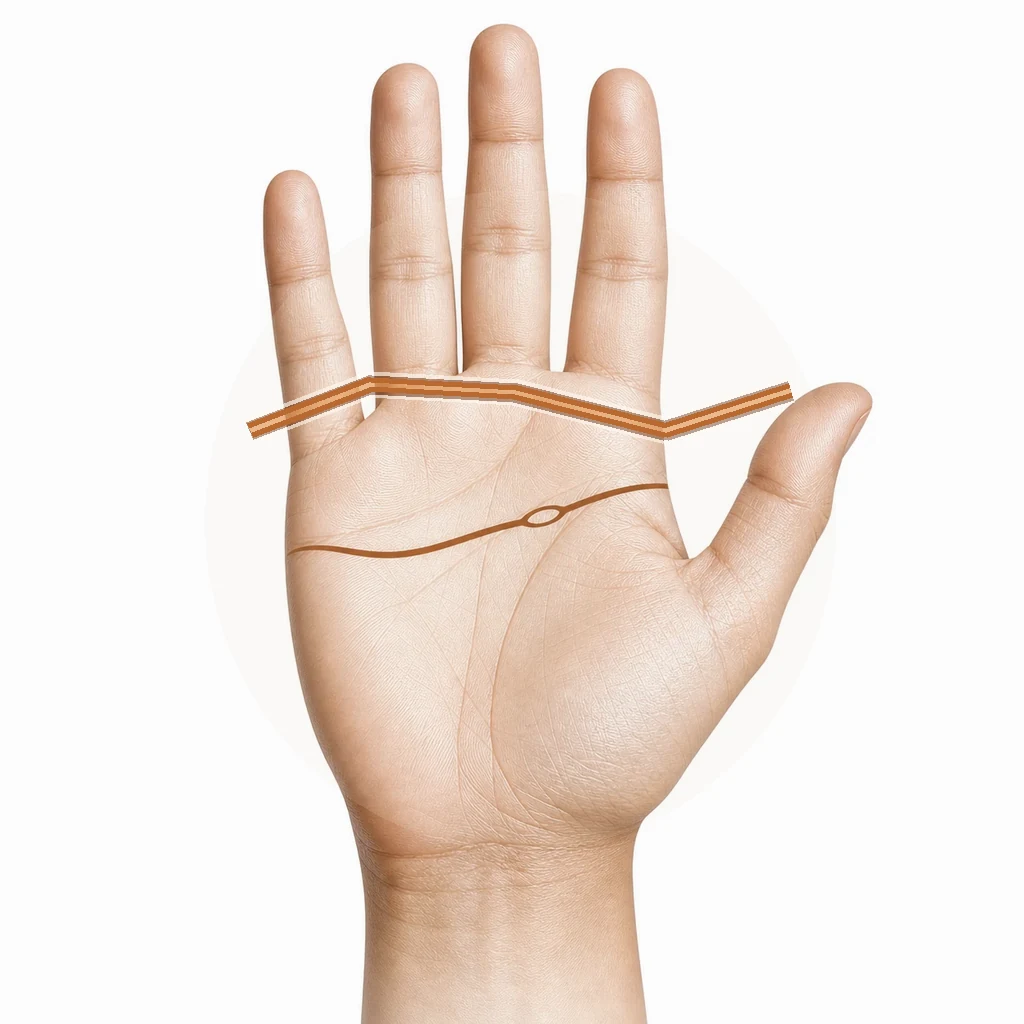
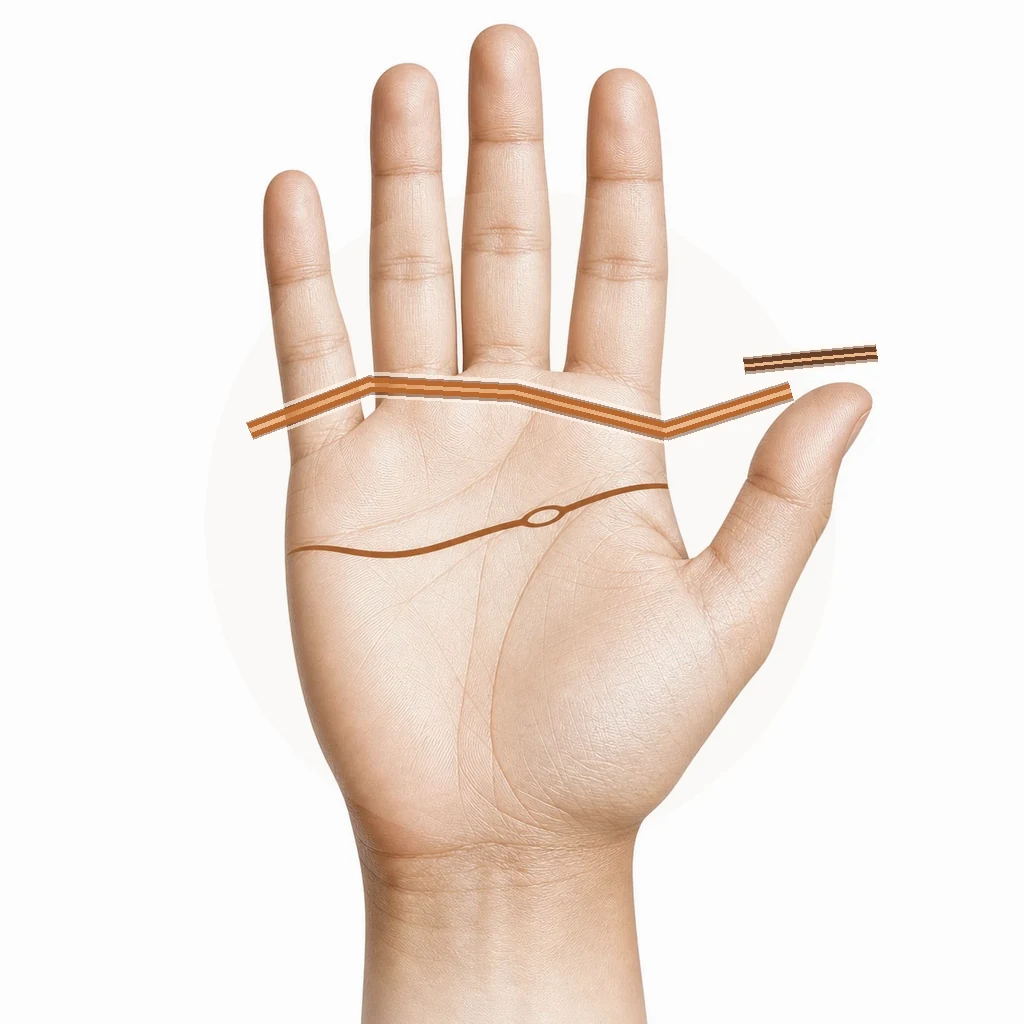
Hand with a life line and a cautionary note, somber but careful tone
Editorial image, open palm, soft somber lighting, careful and ethical tone, not alarmist.
01Overview

Overview

The short answer

Some older palmistry texts contain claims about "widow marks." A break in the life line on the left hand. A particular island on the union line. A cross on the Mount of Saturn. These were said to indicate that the person would outlive their spouse or that their spouse would die young.

These claims are not just unsupported. They are cruel. They have caused real suffering. People have lived in fear for years because of such a reading.

No responsible palm reader should ever offer a widowhood prediction. If a reader does, walk away immediately. This is not palmistry. It is harm.
02HISTORICAL CLAIMS

What some old texts claimed

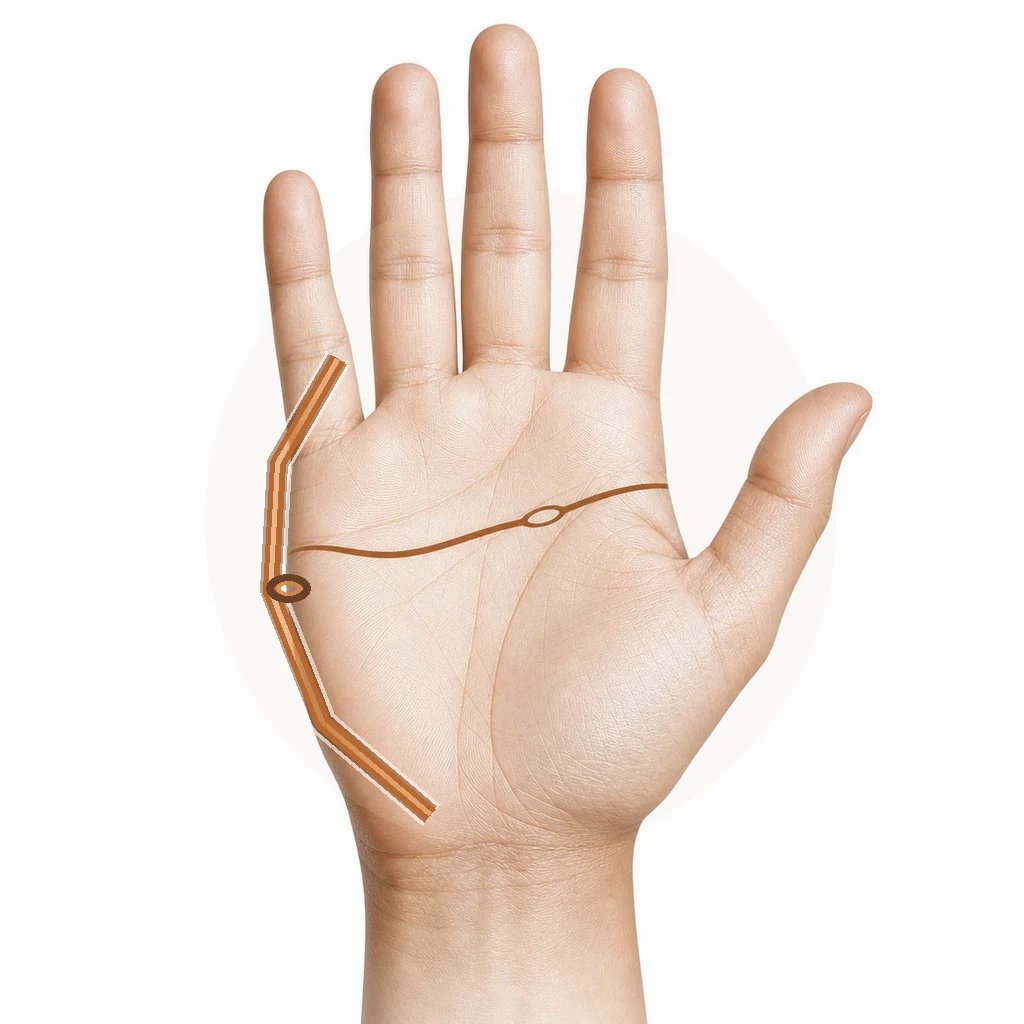
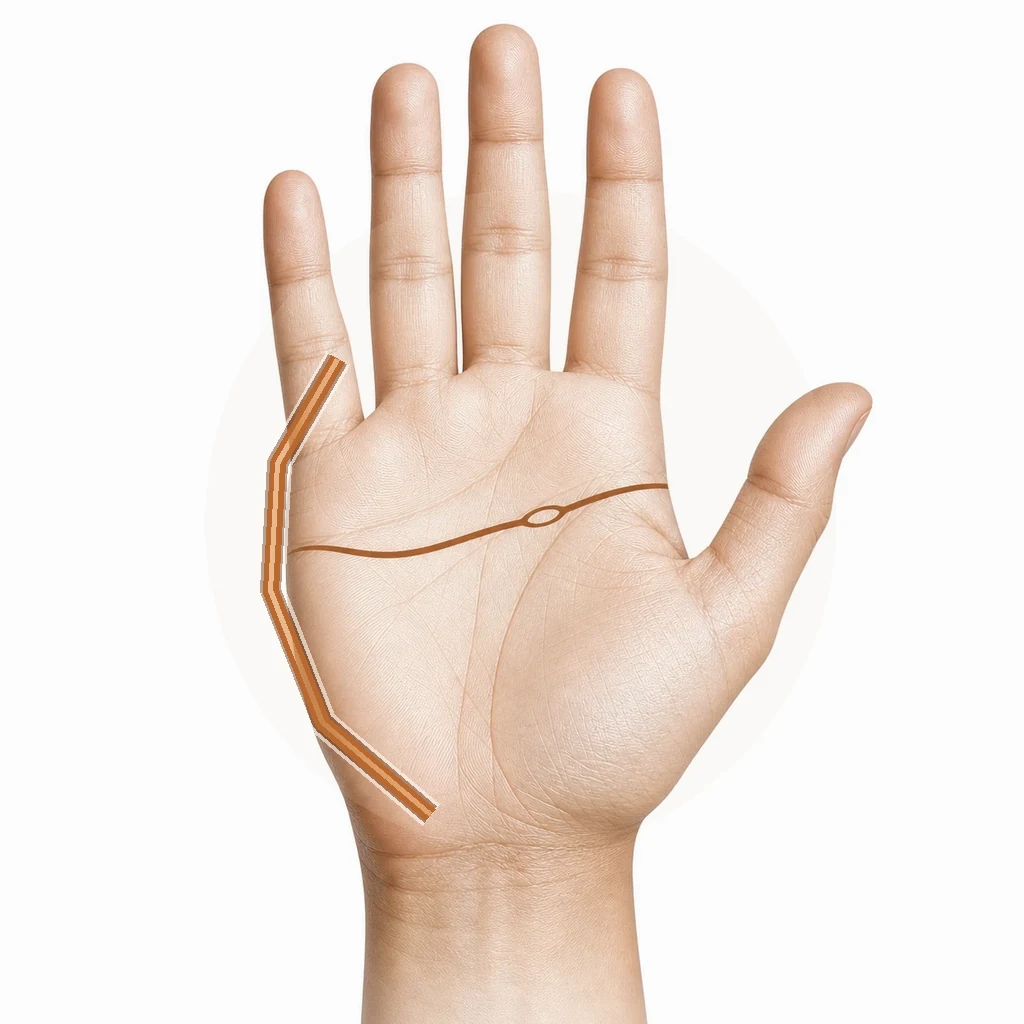
In some 19th century palmistry texts, a break in the life line on the left hand was said to indicate the death of a spouse. A particular island on the union line was said to indicate widowhood. A cross on the Mount of Saturn was said to indicate that the person would survive their partner.

These claims were never based on evidence. They were based on post hoc reasoning and cultural fears. They have no place in modern palmistry.

Today, responsible readers reject these interpretations entirely. They are not just inaccurate. They are unethical.

03AN ABSOLUTE ETHICAL BOUNDARY

An absolute ethical boundary

No palm reader should ever predict the death of a spouse. Ever. This is not interpretation. This is cruelty. If a reader makes this claim, end the reading immediately. Do not give them your money. Do not give them your trust.

04WIDOWHOOD MYTHS

Myth versus reality

Myth

A break in the left life line means widowhood.

Reality

This claim has no evidentiary basis. It is a cruel fiction.

Myth

An island on a union line predicts spouse death.

Reality

Islands are common. They predict nothing.

Myth

Old palmists could predict widowhood accurately.

Reality

They could not. Confirmation bias explains any apparent "hits."

05DECISION TEST

The decision test

Should you worry about a widowhood prediction?

No. The prediction is baseless. Do not give it another moment of thought. The person who made it was either misinformed or unethical. Neither deserves your worry.

06PERSPECTIVE

Why this matters so much

Widowhood predictions have real consequences. They cause anxiety, strain relationships, and create unnecessary fear. No palm line is worth that cost. Reject any reader who offers this kind of prediction. Protect your peace.

07TAKEAWAYS

Verdict

Palmistry cannot predict widowhood.

Supporting Finding

Claims about "widow marks" are cruel and unsupported.

Important Limit

No ethical palm reader offers this kind of prediction.

Reader Guidance

If a reader predicts widowhood, find a different reader. Immediately.

08FAQ

FAQ

Common follow-up questions

Did ancient palmists predict widowhood?

Some claimed to. They were wrong. We know better now.

Should I see a palm reader about marriage concerns?

See a relationship counsellor. Not a palm reader. Palm readers cannot predict relationship outcomes.

How do I find an ethical palm reader?

Look for readers who avoid health claims, death predictions, and widowhood claims. Ethical readers focus on self reflection, not fear.