ChatGPT Palmistry

Is ChatGPT Palmistry Accurate?

People who try ChatGPT palm readings often come away surprised at how specific and plausible the reading feels. That reaction is worth examining carefully.

There are two separate accuracy questions here: whether ChatGPT correctly identifies what is on the palm, and whether palmistry frameworks themselves are accurate. The answers are different.

Quick answer

ChatGPT can accurately describe visible palm features. Whether the palmistry interpretations applied to those features are accurate is a different question, and one that palmistry has not answered to scientific standards.

Reasonably Accurate Line DetectionNot Verified Interpretation AccuracyOften Yes Feels AccurateBarnum Effect Why It Feels Accurate
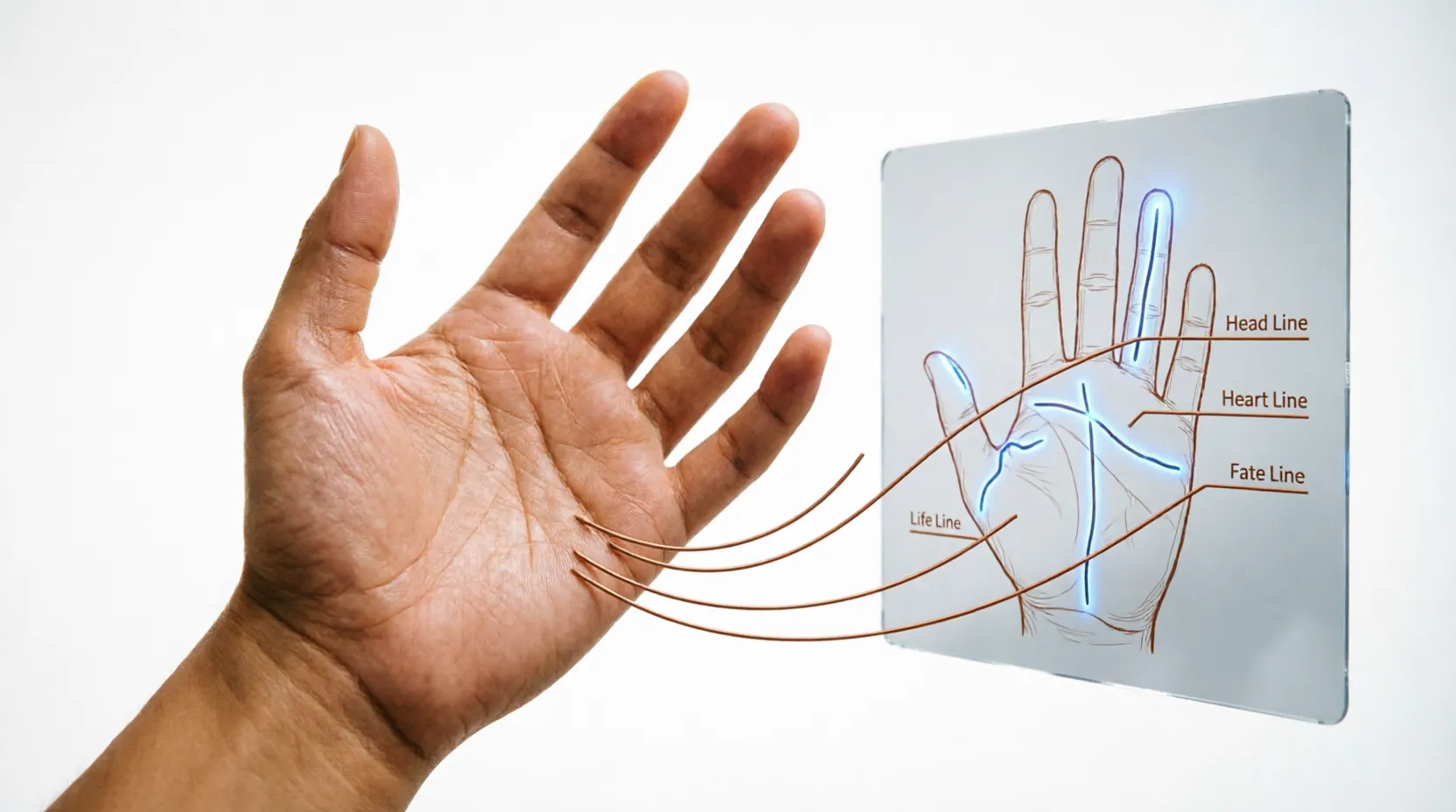
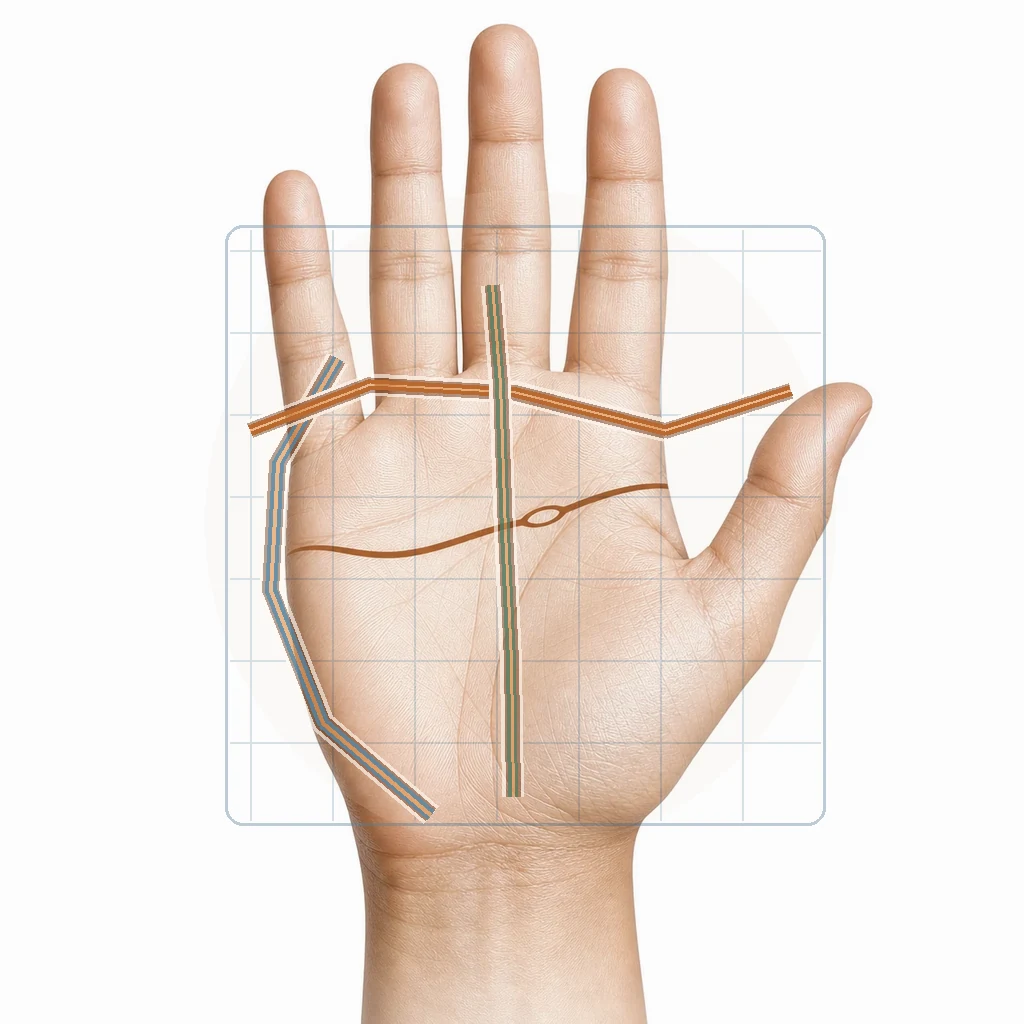
Editorial illustration of a palm reading output on a screen beside the actual palm
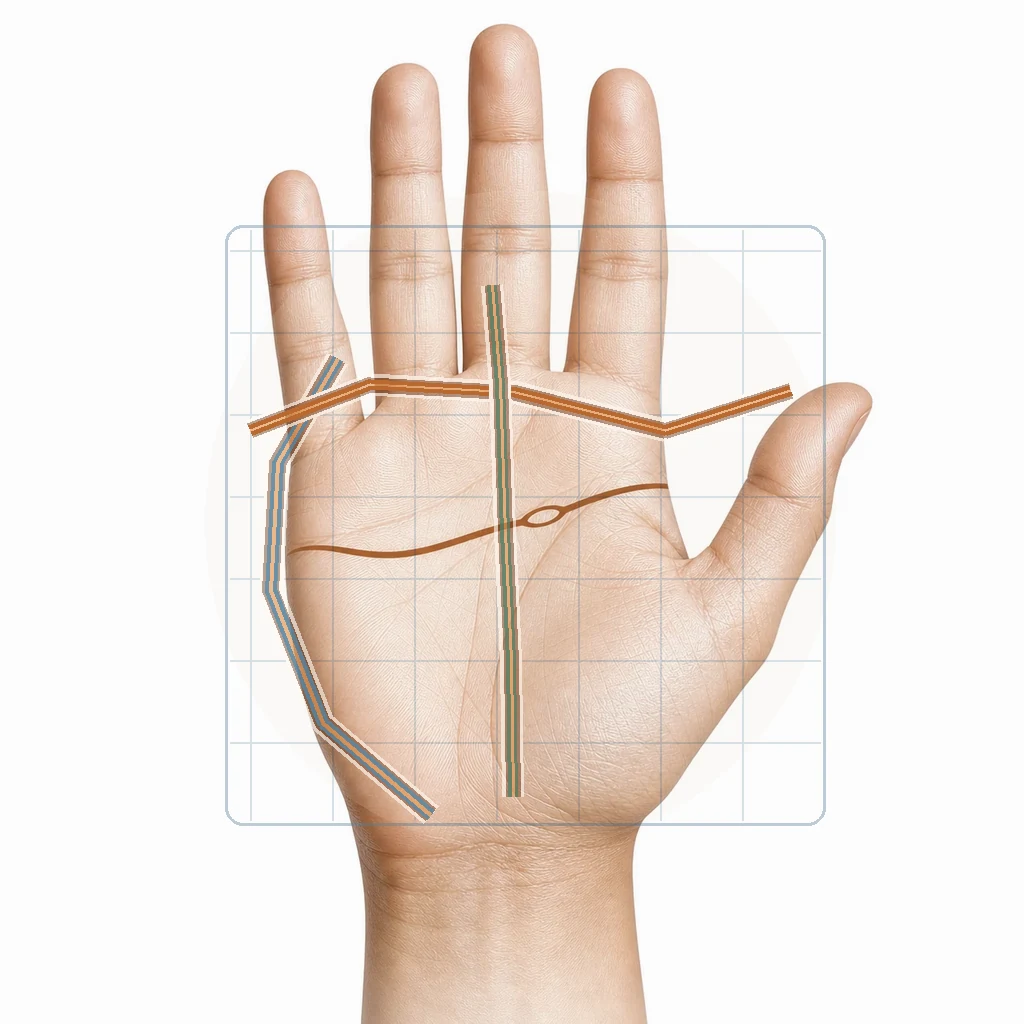
Museum field-note style illustration of a palm on aged parchment beside a minimal clean digital readout, warm editorial tone, no dramatic effects.
01Overview

Overview

The short answer

ChatGPT's palm readings have two components: the visual identification of lines and features, and the interpretive claims made about what those features mean. The first is a computer vision task where ChatGPT performs reasonably well given a clear image. The second is an application of palmistry frameworks, which are cultural traditions without verified predictive accuracy.

Readings often feel accurate for the same reason human palmistry readings feel accurate: the Barnum effect. Statements like "you tend to hold back in new relationships until you feel safe" or "you have more creative potential than you typically express" apply to a very wide range of people and feel personal to almost everyone.

ChatGPT typically acknowledges this in its readings. That acknowledgment is not a formality; it is the accurate answer to the accuracy question.

AI capability map

What the model can detect versus what it cannot know

Can do

Describe visible features, compare lines, and apply a learned palmistry framework.

Cannot do

Verify future events, hidden facts, spiritual claims, or medical conclusions.

02READING QUALITY

What affects the quality of a ChatGPT palm reading

Image quality is the biggest factor within ChatGPT's control. A well-lit, high-resolution photograph of a flat, open palm gives the model the most visual information to work from. Shadows, motion blur, or a partially closed hand reduce what it can observe and will be noted in the reading.

The prompting also matters. Asking for a general reading produces general output. Asking ChatGPT to first describe what it physically observes before interpreting gives you a clearer view of what visual information is driving the reading, which makes it easier to evaluate.

What does not affect quality is any factor beyond the image. ChatGPT has no access to your history, circumstances, or personality beyond what you tell it in the conversation.

05BY COMPONENT

ChatGPT reading accuracy by component

Line identification

ChatGPT Performance

Good with clear images

Notes

Dependent on image quality

Traditional interpretation

ChatGPT Performance

Consistent

Notes

Applies learned framework accurately

Predictive accuracy

ChatGPT Performance

Not verified

Notes

Same limitation as all palmistry

Personality insight

ChatGPT Performance

Feels plausible

Notes

Barnum effect at work

03WHY IT FEELS RIGHT

Why readings feel more accurate than they are

The Barnum effect is the primary explanation. Palmistry descriptions are written in frameworks designed to feel personally resonant. A description of "a deep heart line suggesting strong emotional investment in close relationships" is true of the large majority of people who read it. ChatGPT inherits this characteristic from the tradition it learned from.

04ACCURACY MYTHS

Myth versus reality

Myth

ChatGPT is more accurate than a human palmist because it has no bias.

Reality

ChatGPT applies a different set of inputs (image only, no cold reading) but the same unverified framework. Consistency is not accuracy.

Myth

If the reading resonated with me, it must have been accurate.

Reality

Resonance is a property of the Barnum effect, not a measure of predictive accuracy. Resonance and truth are different things.

Myth

ChatGPT is being modest when it adds disclaimers. The reading is still accurate.

Reality

The disclaimers reflect the genuine epistemic status of palmistry. They are not false modesty.

06TAKEAWAYS

Verdict

ChatGPT can accurately identify palm features from a clear image.

Evidence Status

Its interpretations are consistent applications of palmistry tradition, which is itself unverified.

Why It Feels True

Readings feel accurate largely due to the Barnum effect, not genuine predictive ability.

Practical Use

Use ChatGPT palm readings for exploration, not for decisions.

07FAQ

FAQ

Common follow-up questions

Has anyone tested ChatGPT palmistry accuracy formally?

Not in a published controlled study as of June 2026. The accuracy of AI palmistry inherits the accuracy problems of palmistry generally, which has been tested and not confirmed.

Is ChatGPT better than a dedicated palmistry app?

ChatGPT has stronger general language ability and is more likely to contextualise the reading honestly. Dedicated apps may have more tailored visual detection. Neither has verified predictive accuracy.

Why does ChatGPT always add a disclaimer to palm readings?

Because the disclaimer is accurate. Palmistry has not been validated as a predictive system, and a model trained to be honest about uncertainty will say so.