Palmistry Accuracy

Is Palmistry 100% Correct?

The short answer is no, and the long answer is also no, but in a considerably more interesting way than the short answer suggests.

The question of palmistry's accuracy is genuinely complex — not because the evidence is ambiguous, but because the question itself turns out to be harder to define than it appears. What would it mean for palmistry to be correct? Correct about what? For whom? Under which conditions?

Quick answer

No. Palmistry has not been scientifically validated as a predictive system. Studies testing specific claims — that life line length correlates with lifespan, for instance — have not confirmed the tradition's predictions. However, this does not mean palmistry is useless: it can function as a framework for self-reflection, has cultural and historical significance, and the Barnum effect explains why individual readings often feel accurate.

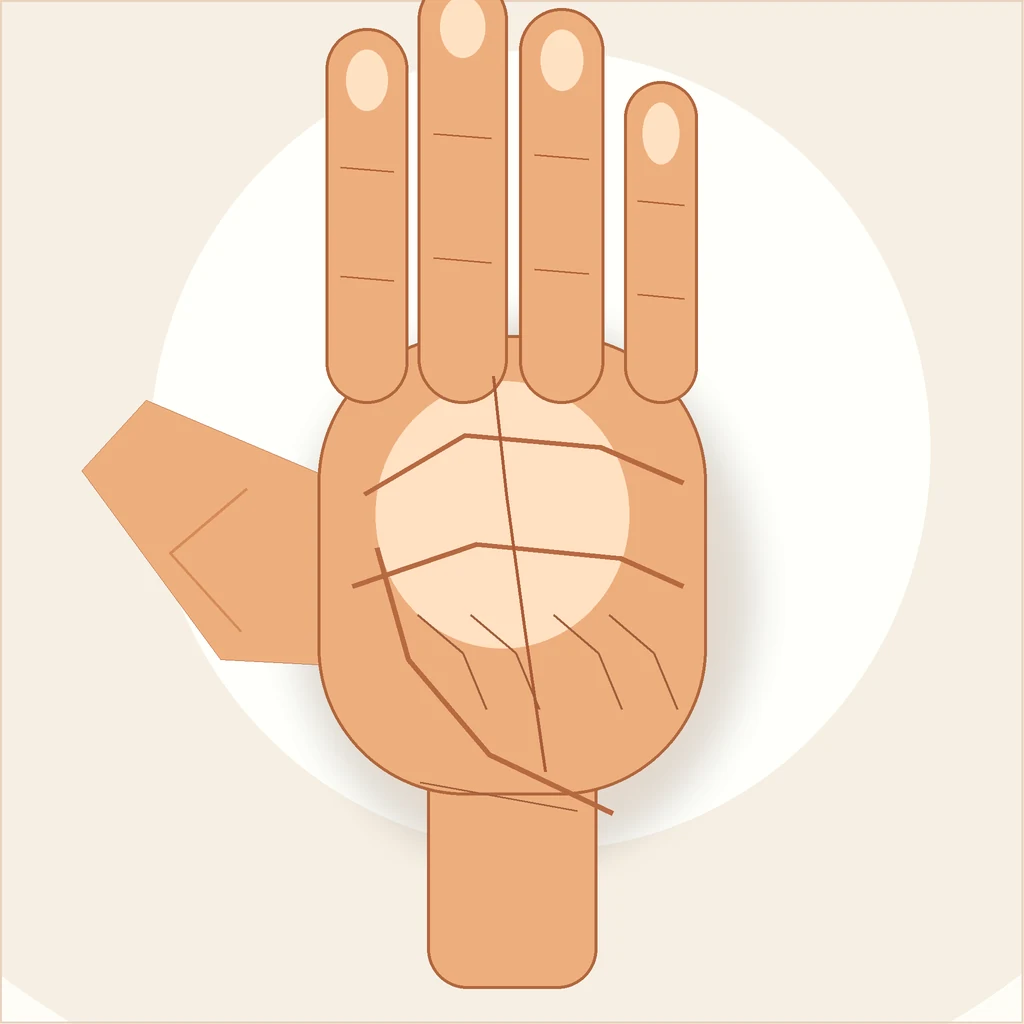
Editorial illustration of a palm with a question mark overlay
Museum field-note editorial illustration of an open palm with a subtle question mark motif in the lines, aged parchment style, thoughtful tone.
None confirmedScientific Validation
Not supported by studiesLife Line = Lifespan
Often feels high (Barnum effect)Accuracy of Readings
Real, if used that wayValue As Reflection Tool
01Overview

Overview

The short answer

No systematic scientific study has confirmed the predictive claims of palmistry. The most testable claims — that life line length predicts lifespan, that specific markings reliably indicate career aptitude or personality traits — have not withstood controlled investigation.

The Barnum effect (also called the Forer effect) is the most compelling explanation for why individual readings feel accurate. Palmistry readings typically consist of statements that are true of nearly everyone — "you sometimes doubt yourself," "you have unused potential," "you experienced a significant change in your mid-twenties" — framed in personal language that makes them feel specifically tailored. People remember the hits and forget the misses. This produces a subjective sense of accuracy that is not the same as objective accuracy.

None of this means palmistry has no value. It has obvious cultural, historical, and anthropological value. And as a framework for reflection — a set of questions about yourself that you approach by examining your hand — it can produce genuine insight, just not through the mechanism it claims.
AI capability map

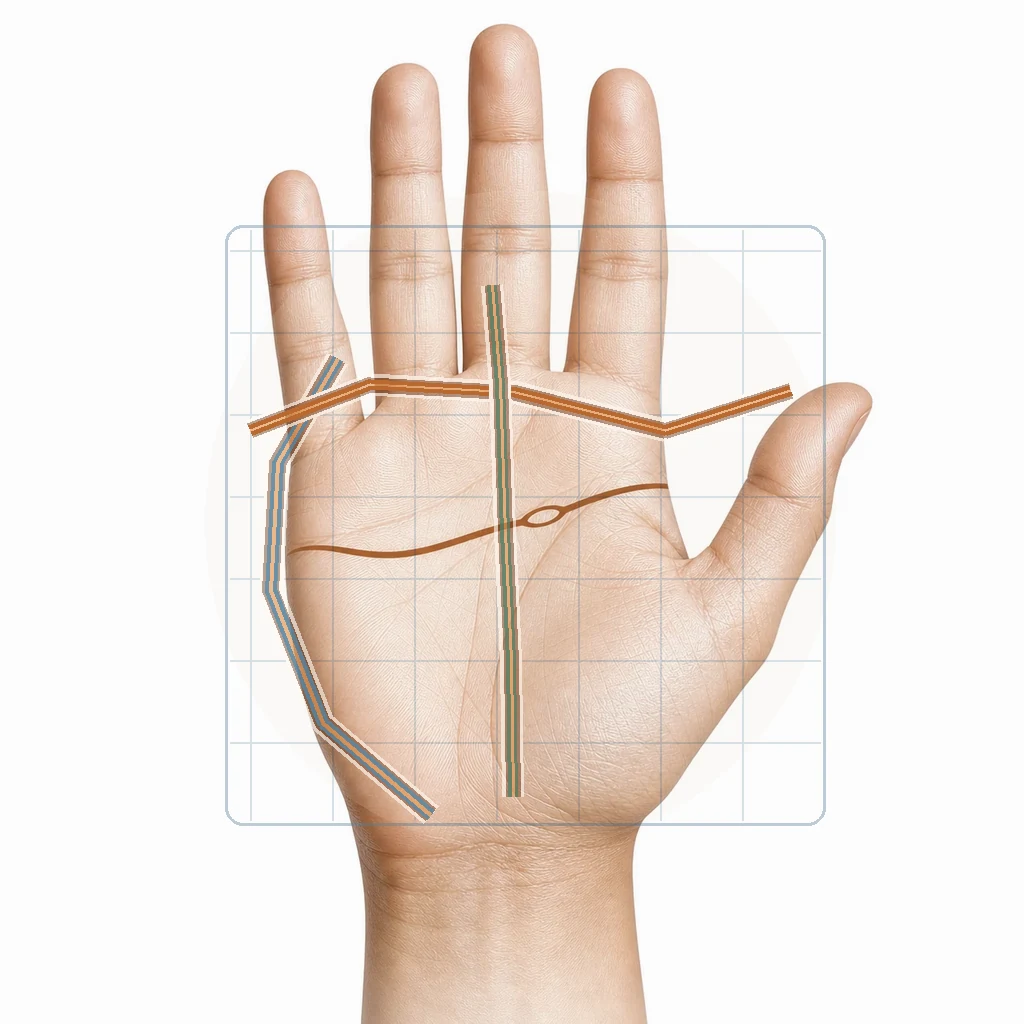
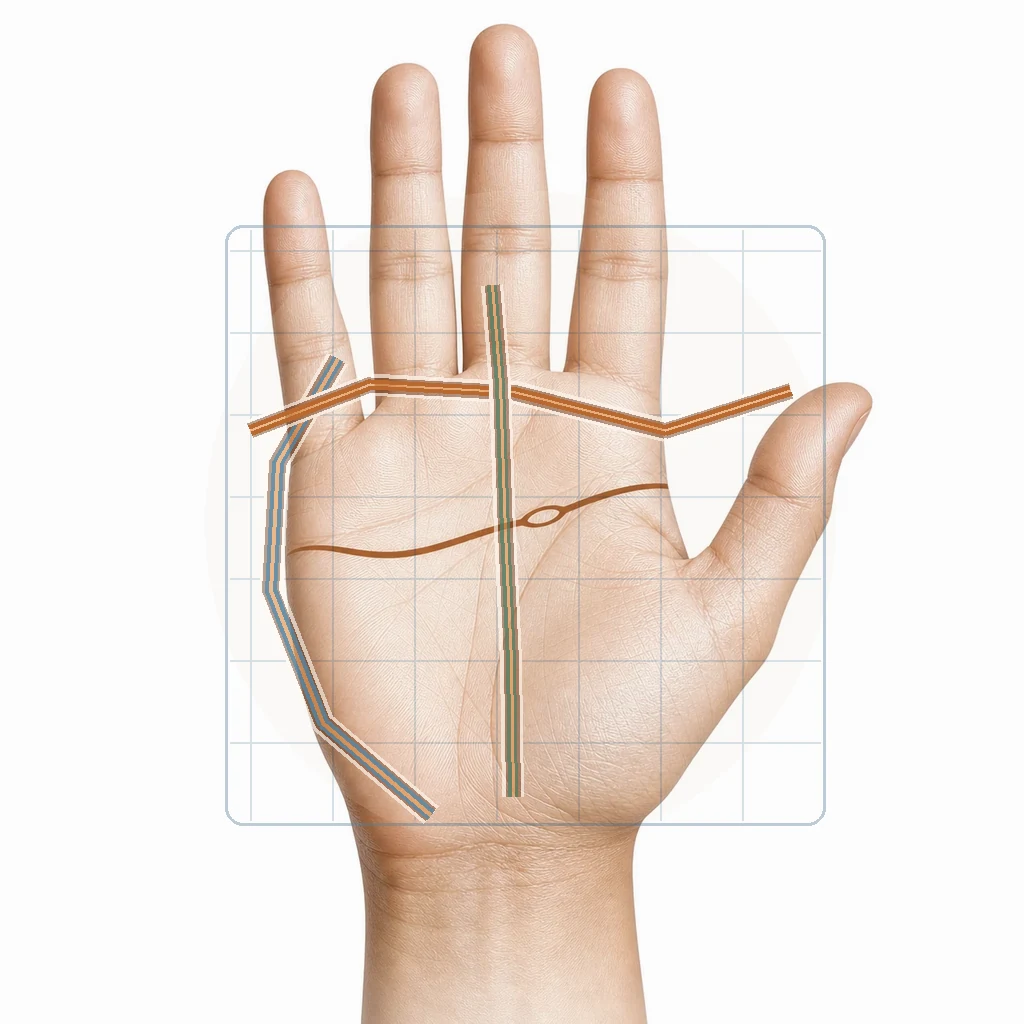
What the model can detect versus what it cannot know

Can do

Describe visible features, compare lines, and apply a learned palmistry framework.

Cannot do

Verify future events, hidden facts, spiritual claims, or medical conclusions.

02PERSPECTIVE

Perspective

Asking whether palmistry is 100% correct is a bit like asking whether fairy tales are historically accurate. The question doesn't quite fit the object. Palmistry is a cultural practice with a long history, an internal logic, and genuine psychological effects. It was never operating as a science, even when it dressed up in scientific language. Judging it by scientific standards is fair, but it should not come as a surprise when it fails that particular test.

03TAKEAWAYS

Verdict

Palmistry's predictive claims have not been confirmed by scientific studies.

Why It Feels True

Subjective accuracy is often high, explained by the Barnum effect.

Important Limit

Palmistry has genuine cultural, historical, and reflective value.

Evidence Status

The question of "correctness" does not map cleanly onto a practice that was never scientific in intent.

04FAQ

FAQ

Common follow-up questions

What is the Barnum effect and why does it matter for palmistry?

The Barnum effect is the tendency to accept vague, general statements as accurate descriptions of yourself. Palmistry readings are full of such statements. It is named after P.T. Barnum and documented by psychologist Bertram Forer in 1949, who showed that people rated generic personality descriptions as highly accurate when told they were individually written.

Has any aspect of palmistry been confirmed scientifically?

Dermatoglyphics — the study of fingerprint and palm crease patterns — is a legitimate medical field. Certain unusual palm crease patterns (like the simian crease) are associated with genetic conditions. This is not palmistry in the predictive sense, but it shows that palmar features do carry some biological information.