Islam & Palmistry

Is Palmistry Real According to Islam?

This question goes deeper than whether palmistry is permitted — it asks what Islam actually thinks about whether palm reading works at all.

The answer reveals something important about how Islam understands the limits of human knowledge and the source of real information about the unseen.

Quick answer

Islam does not consider palmistry to be a genuine or real source of knowledge about the future or the unseen. Claims by palmists are considered false because knowledge of al-ghayb belongs only to Allah.

Considered False Islamic View of AccuracyFalse Claim to Ghayb Why ProhibitedAllah Alone Source of RealityRejected Palmist Claims
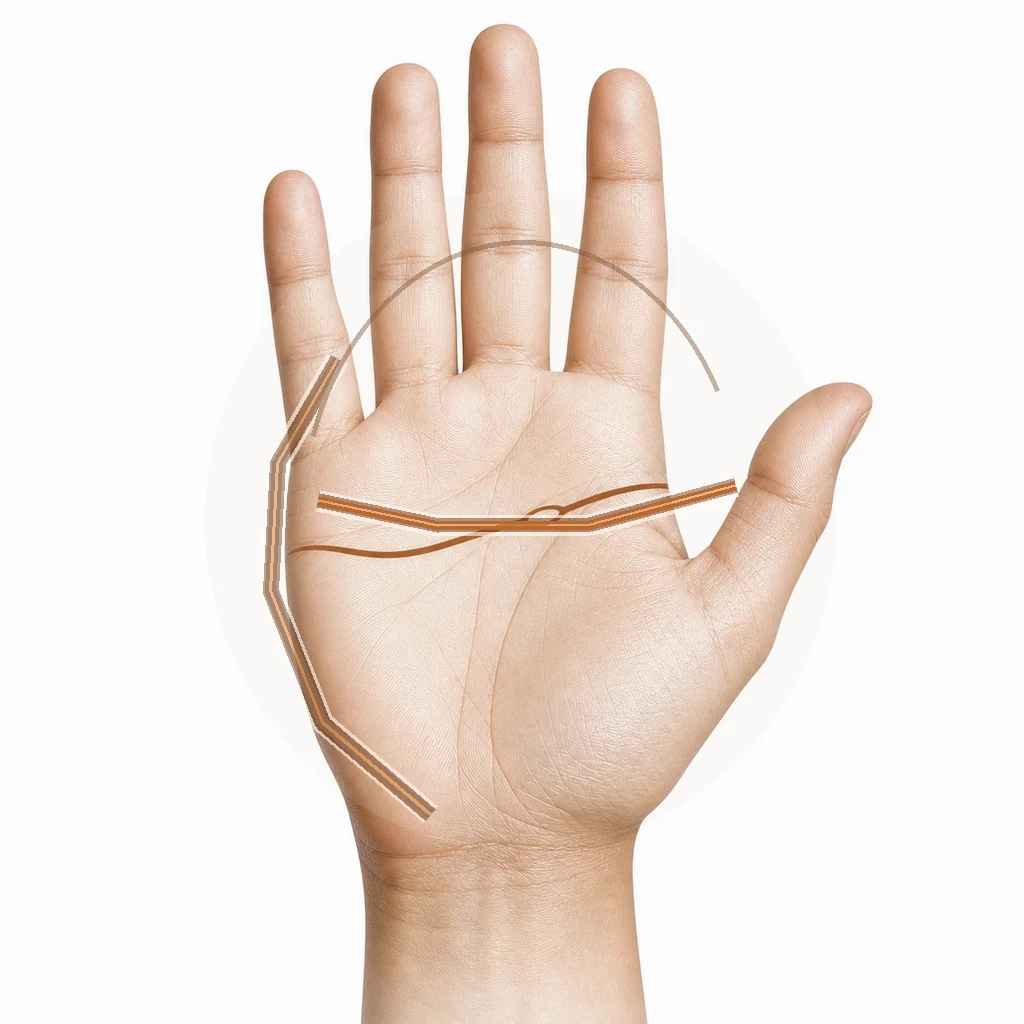
Respectful editorial illustration of an open palm with Islamic geometric pattern
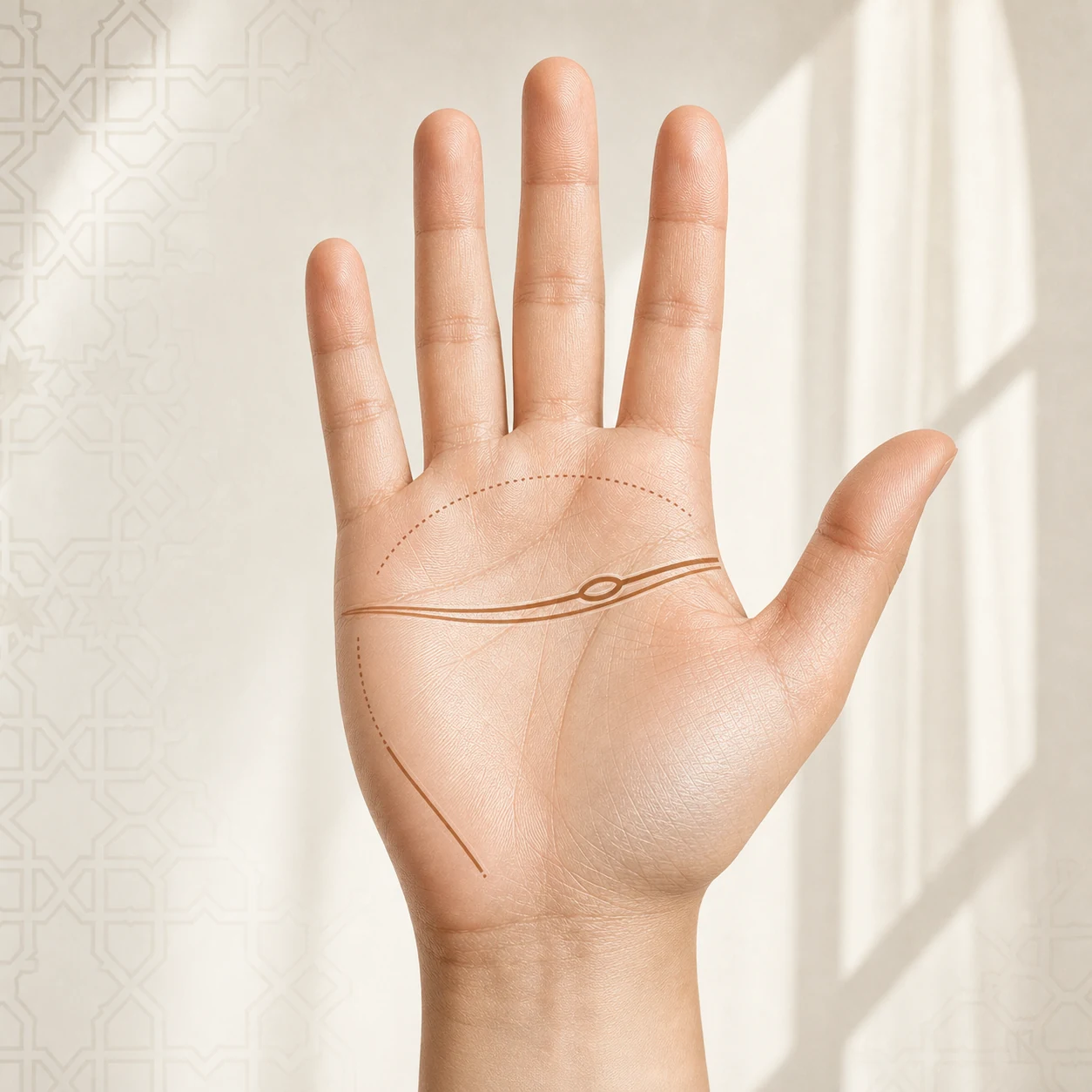
Respectful museum field-note style image of a palm on aged parchment beside a fine geometric Islamic border motif, warm editorial tone, no religious figures.
01Overview

Overview

The short answer

From an Islamic perspective, palmistry is not considered real in the sense of being a genuine source of knowledge about the future or hidden matters. The faith teaches that knowledge of al-ghayb (the unseen) belongs exclusively to Allah, which means that no person, system, or practice can genuinely access it.

When a palmist appears to make accurate predictions, Islamic theology attributes this to coincidence, generalised statements that apply to many people, or in extreme interpretations, the involvement of jinn or shayateen — none of which represents real divine knowledge.

This is actually a stronger position than secular scepticism: Islam does not just say palmistry lacks evidence — it says palmistry's claimed source of knowledge does not exist as an accessible channel for humans.
Direct answer

Treat this as a ruling-style explanation

This page keeps the layout serious and text-led, with emphasis on practical boundaries rather than mystical visuals.

02WHY IT CANNOT BE REAL

Why Islam says palmistry cannot be real

The Islamic concept of tawhid (the oneness of Allah) includes the attribute that Allah alone has complete knowledge of all things, including what is hidden and what is to come. For palmistry to be real — genuinely revealing the future — a palm reader would need access to a channel of information that, according to Islamic teaching, does not exist outside of divine revelation and prophetic knowledge.

This is why the prohibition is not simply about superstition or cultural tradition. It is grounded in a theological claim: that no marks on a human hand convey genuine knowledge of a person's future, because that knowledge is not accessible through physical means.

When readings appear accurate, Islamic scholars attribute this to the same factors as secular researchers — generalised statements, observation of the person, and chance — rather than to any real predictive capacity of the palm.

03JINN EXPLANATION

The jinn explanation

Some Islamic scholars also note that occasional apparent accuracy in divination may involve the influence of jinn, who may overhear portions of matters in the heavens and mix truth with lies. This is referenced in some hadiths about fortune-tellers. Even in this case, the source is considered unreliable and the practice prohibited — because seeking such information through jinn-adjacent means is itself haram.

04MISUNDERSTANDINGS

Common misunderstandings

Myth

Islam is neutral on whether palmistry works — it just prohibits it as a cultural matter.

Reality

Islam actively holds that palmistry's claims are false, not merely culturally inappropriate. The prohibition is theological, not just cultural.

Myth

If a palmist is sometimes right, they must have some real ability.

Reality

Islamic theology accounts for apparent accuracy through coincidence and generalisation, not genuine access to the unseen.

Myth

Palmistry could work as a lesser form of knowledge, even if not divine.

Reality

Islamic teaching does not allow for a partial or lesser form of access to al-ghayb. The category is reserved entirely for Allah.

05TAKEAWAYS

Summary

Islam does not consider palmistry to be real or a genuine source of knowledge.

Supporting Finding

Knowledge of the unseen (al-ghayb) belongs only to Allah; no human practice can access it.

Important Limit

Apparent accuracy is attributed to coincidence, generalisation, or in some scholarly views, jinn involvement — none of which constitutes genuine knowledge.

Reading Context

The prohibition is theological, not merely cultural or traditional.

06FAQ

FAQ

Common follow-up questions

Does Islam say palmistry is completely made up?

Islam says it cannot access what it claims to access — knowledge of the unseen. Whether the palm lines themselves have physical meaning (such as in genetics or medicine) is a separate question not addressed by the religious ruling.

What if a palm reader said something that later came true?

Islamic guidance would attribute this to coincidence or generalised statements, not genuine predictive ability. Confirmation bias makes us remember such moments strongly.

Is the Islamic view similar to the secular scientific view?

Both reject palmistry's predictive claims. The reasoning differs: science cites lack of controlled evidence; Islam cites that the claimed knowledge channel (human access to al-ghayb) does not exist.