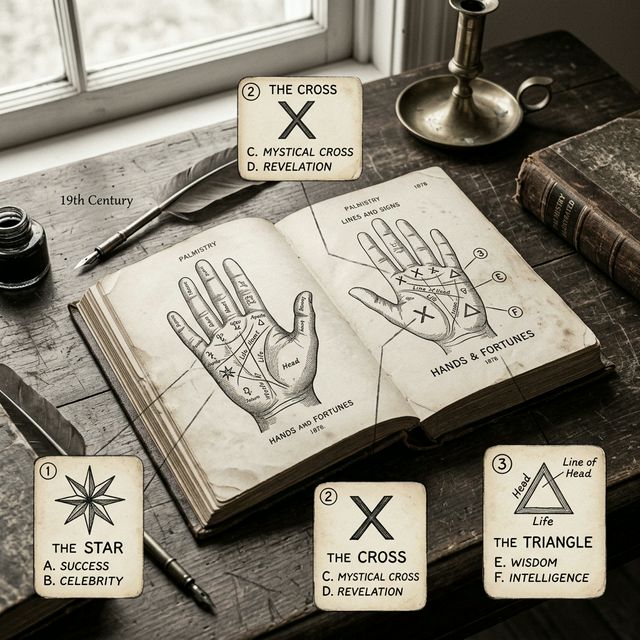
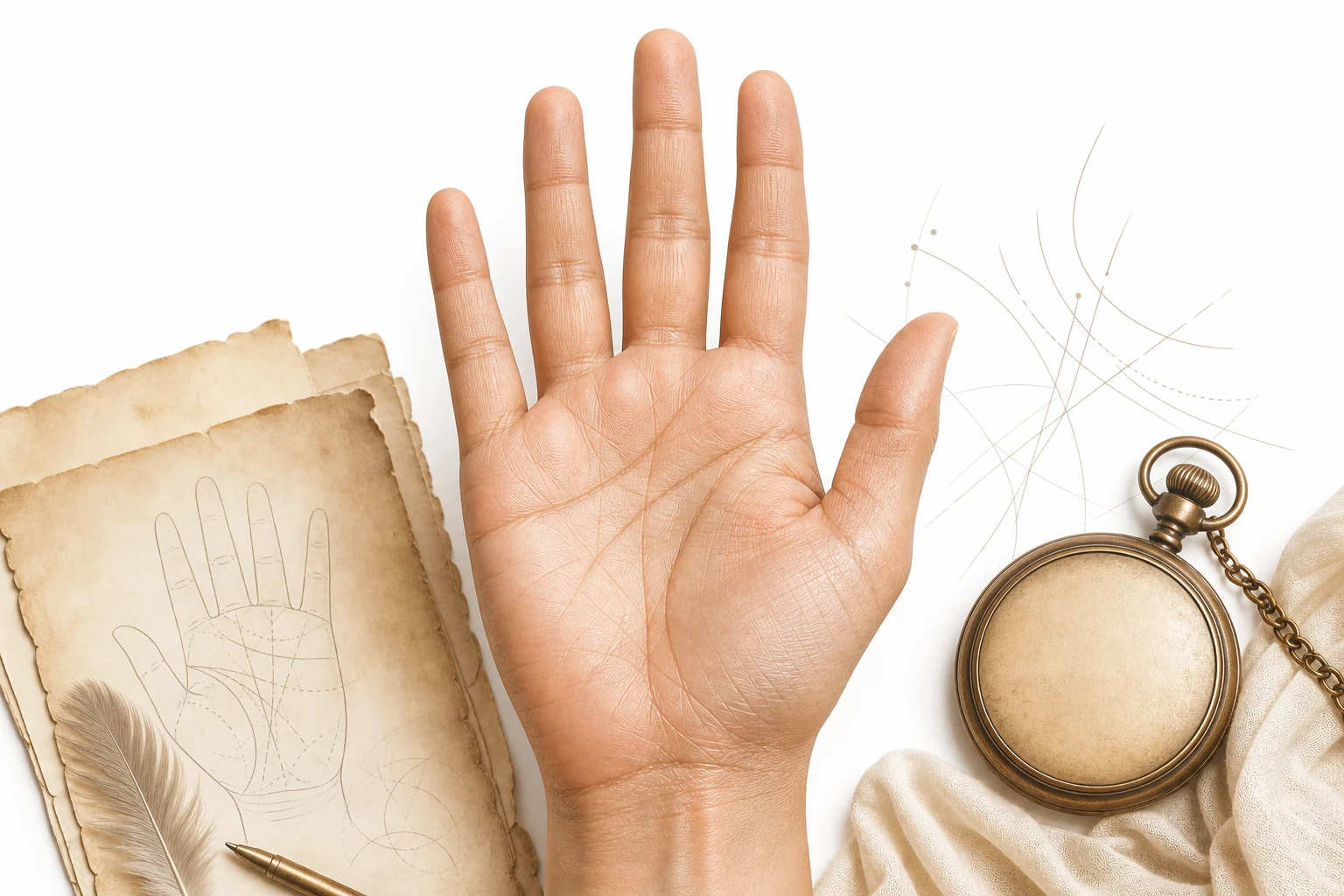
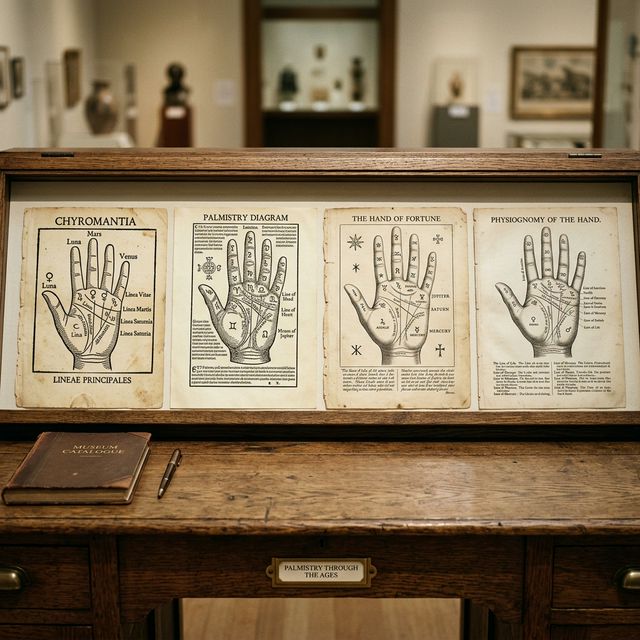
1. Hand Shape & Chirognomy:
• Cheiro: Adopts d'Arpentigny's classical sevenfold classification (Elementary, Square, Spatulate, Philosophic, Conic, Psychic, Mixed). He assigns fixed temperament traits to each shape based on planetary affinities.
• Benham: Simplifies hand classification into basic physical categories (Square, Spatulate, Conic, Pointed) but adds physical tests: feeling hand consistency (flabby, soft, elastic, hard) and testing palm flexibility (stiff vs pliable).
• Difference: Cheiro treats shape as a static symbolic type; Benham treats shape as a physical energy container modified by muscle tone and skin density.
2. Mounts of the Palm:
• Cheiro: Relies on traditional astrological symbolism. The Mount of Jupiter represents ambition and honor; Apollo represents art and fame; Saturn represents fate and mystery.
• Benham: Retains planetary names purely as convenient labels, but grounds mount evaluation in health anatomy and physiological development. Benham measures mount height, apex center, and skin ridge patterns (dermatoglyphics).
• Difference: Cheiro views mounts through celestial archetypes; Benham views mounts as muscular pads indicating physical vitality and neurological energy.
3. Major Lines & Line Interpretation:
• Cheiro: Reads lines primarily for life events, success markers, and timing of major turning points using a standardized system of millimeter measurement along the lines.
• Benham: Analyzes line composition: line depth (deep and clear vs broad and shallow), color (pale, pink, red, yellow), and physical defects (islands, splits, bars, breaks). He teaches that a deep, narrow line carries energy efficiently, whereas a chained line indicates scattered force.
• Difference: Cheiro reads line paths for fortune stories; Benham reads line architecture for functional strength and structural defects.
4. Fingers and the Thumb:
• Cheiro: Devotes attention to finger tip shapes and thumb size, framing the thumb as the primary indicator of willpower and logic.
• Benham: Devotes over 50 pages exclusively to the thumb, analyzing the first (will) and second (logic) phalanges, thumb angle of attachment, stance, and resistance to pressure. Benham calls the thumb "the key to the entire hand."
• Difference: Both authors agree on the supreme importance of the thumb, but Benham provides far more detailed mechanical rules for how thumb strength alters every other sign on the palm.