Finger Symbolism

Which Finger Attracts Money?

The belief that wearing a ring on a particular finger will attract money is so widespread across so many cultures that it almost demands a geologist's approach: if the same rock formation appears on five different continents, you should probably ask what is underneath all of them.

In this case, what lies beneath is a shared planetary symbolism that wound its way from classical astronomy into palmistry, astrology, and ring-wearing traditions that are still quietly influencing jewellery decisions today.

Quick answer

The index finger (Jupiter finger) and the ring finger (Sun/Apollo finger) are most commonly associated with wealth attraction in palmistry and related traditions. Jupiter brings ambition and authority; the Sun finger brings recognition and success. In several Asian traditions, the middle finger is also associated with Saturn and karmic wealth. Wearing rings on these fingers is considered by some traditions to amplify these qualities.

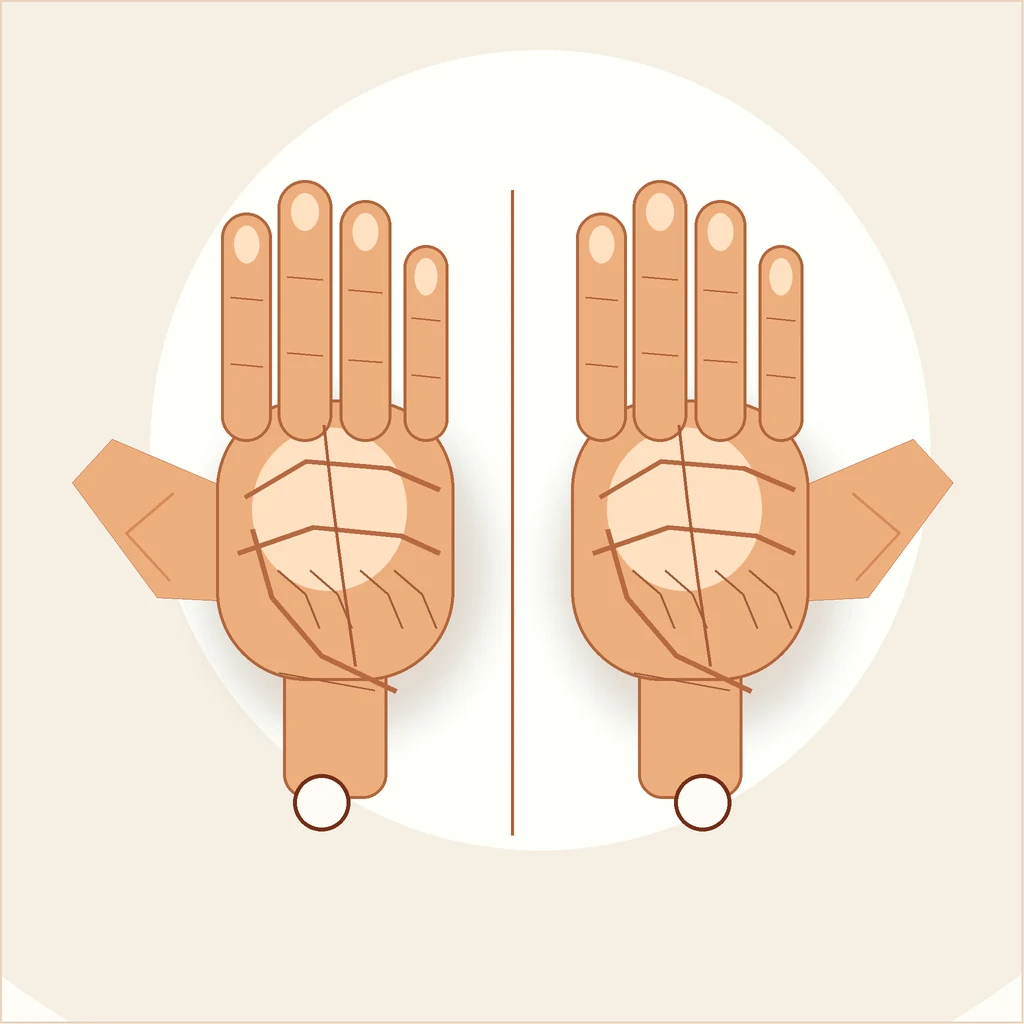
Editorial illustration of a hand with each finger symbolically labelled
Index — Ambition, AuthorityJupiter Finger
Ring — Recognition, SuccessSun/Apollo Finger
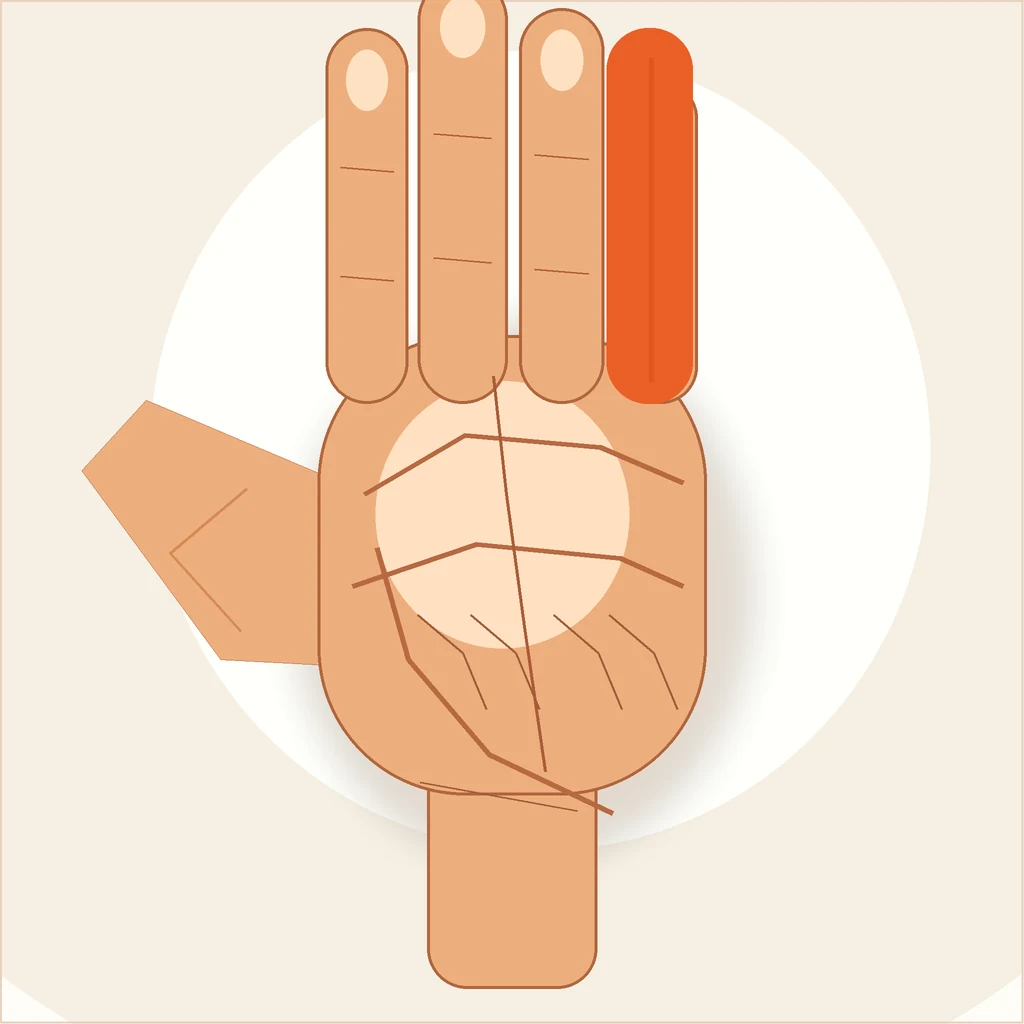
Little — Commerce, CommunicationMercury Finger
Planetary SymbolismBased On
01Overview

Overview

The short answer

Classical palmistry assigned each finger to a planet, and each planet governed a set of qualities that determined what a strong, well-formed finger in that position meant about its owner. This is the same planetary system that governed astrology and influenced which metal was thought appropriate for which jewellery — which is why gold, the Sun's metal, is conventionally worn on the ring finger.

The index finger (Jupiter) governs ambition, leadership, authority, and the ability to command respect — all things that tend to precede financial success rather than accompany it magically. A well-developed Jupiter finger was considered a sign of someone who could impose their will on circumstances.

The ring finger (Apollo/Sun) governs creativity, recognition, success, and public visibility — the conditions under which financial reward tends to accumulate. A well-developed ring finger was associated with someone who would be seen and rewarded for their gifts.

The little finger (Mercury) governs commerce, communication, and the ability to negotiate — more directly mercantile than the Sun finger, but considered a supporting quality rather than the primary driver.
AI capability map

What the model can detect versus what it cannot know

Can do

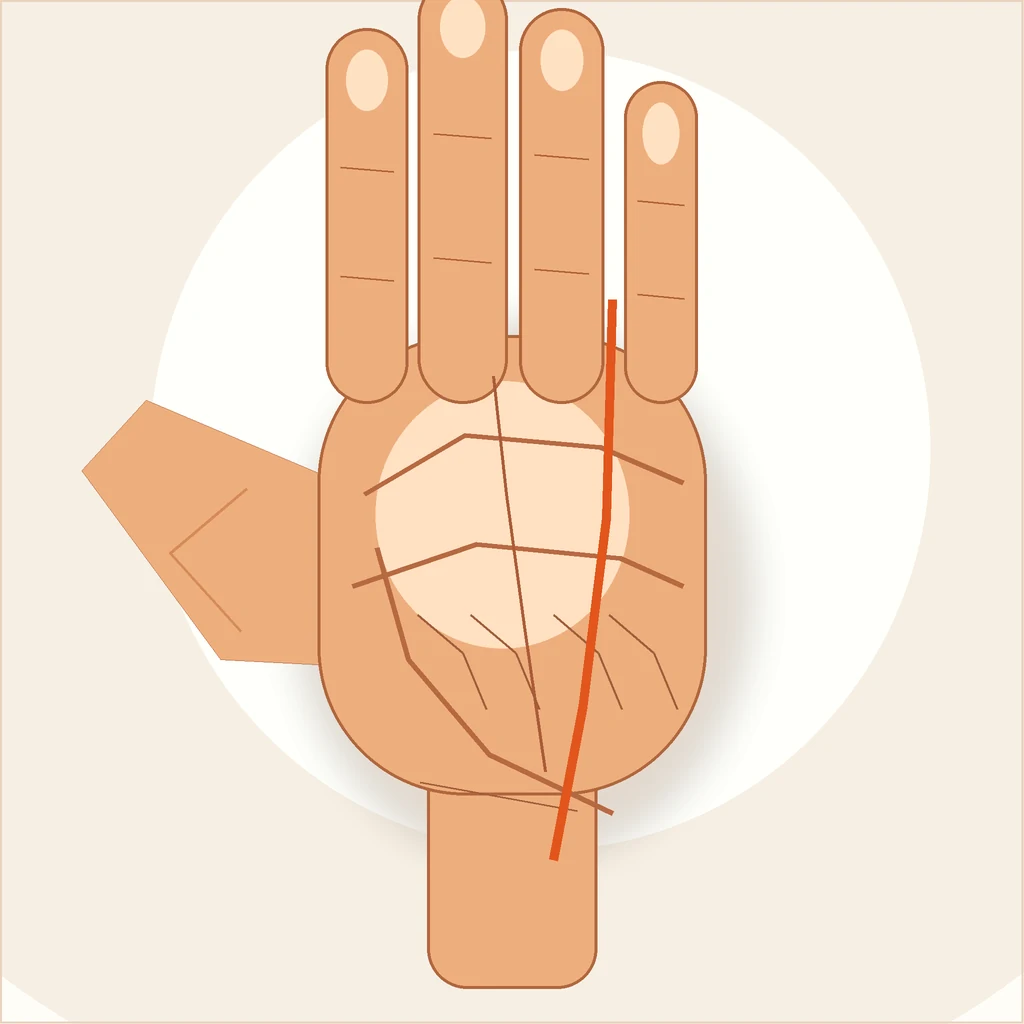
Describe visible features, compare lines, and apply a learned palmistry framework.

Cannot do

Verify future events, hidden facts, spiritual claims, or medical conclusions.

02CULTURAL TRADITIONS

Ring-wearing traditions across cultures

In Vedic (Jyotish) astrology and Indian hand tradition, rings are placed on specific fingers to strengthen or balance planetary energies. A Jupiter ring (yellow sapphire or topaz, on the index finger) is recommended for those seeking authority and professional elevation. A Sun ring (ruby, on the ring finger) is considered beneficial for success and government favour. These are active prescriptions within a living tradition, not historical curiosities.

In Western occult tradition, which absorbed much of the same planetary symbolism via a different route, rings on the Sun finger were associated with solar ambition and creative success. Medieval and Renaissance texts on physiognomy were full of advice about which finger to adorn for which purpose, most of it organised around the same planetary logic.

Chinese tradition approaches this differently, associating the middle finger with Saturn and the flow of wealth in a karmic sense — the rewards of past effort rather than future ambition. This makes the middle finger the appropriate site for a wealth ring in some Chinese practices, a recommendation you will not find in most Western palmistry texts.

03MYTHS

Myth versus reality

Myth

Wearing a ring on the right finger will cause money to arrive.

Reality

No ring placement has been shown to cause financial outcomes. The tradition is about directing attention, intention, and perhaps subtle confidence effects, not about literal wealth generation.

Myth

There is universal agreement on which finger attracts wealth.

Reality

Western, Indian, and Chinese traditions identify different fingers, driven by different underlying frameworks. There is no single global answer.

Myth

Finger length alone determines wealth potential in palmistry.

Reality

Finger length is one indicator among many. The lines, mounts, and overall hand shape all contribute to the palmistry picture.

04PERSPECTIVE

Perspective

The planetary finger system is a beautiful example of how ancient frameworks persist in modern behaviour. Most people who carefully choose which hand to wear a ring on have no idea they are participating in a tradition with roots in Babylonian astronomy and medieval European natural philosophy. They just know someone told them it worked. Tradition is remarkably good at travelling light.

05TAKEAWAYS

Verdict

The index (Jupiter) and ring (Sun) fingers are most commonly associated with wealth attraction in Western palmistry.

Reading Context

Indian Vedic tradition prescribes specific rings on these fingers to strengthen planetary energies.

Reading Context

Chinese tradition sometimes emphasises the middle finger for karmic wealth.

Evidence Status

No ring placement has been scientifically verified to attract money.

06FAQ

FAQ

Common follow-up questions

Which hand should I wear a money ring on?

Vedic tradition generally places active or incoming energy on the right hand (dominant hand in most people) and receptive or outgoing energy on the left. For attracting wealth, the right hand is often recommended. Western tradition is less specific.

What stone is best for attracting money?

This varies by tradition. Citrine, pyrite, and green aventurine are popular Western folk choices. Vedic tradition prescribes specific gems (yellow sapphire for Jupiter, ruby for the Sun) tied to the natal chart, not used universally.