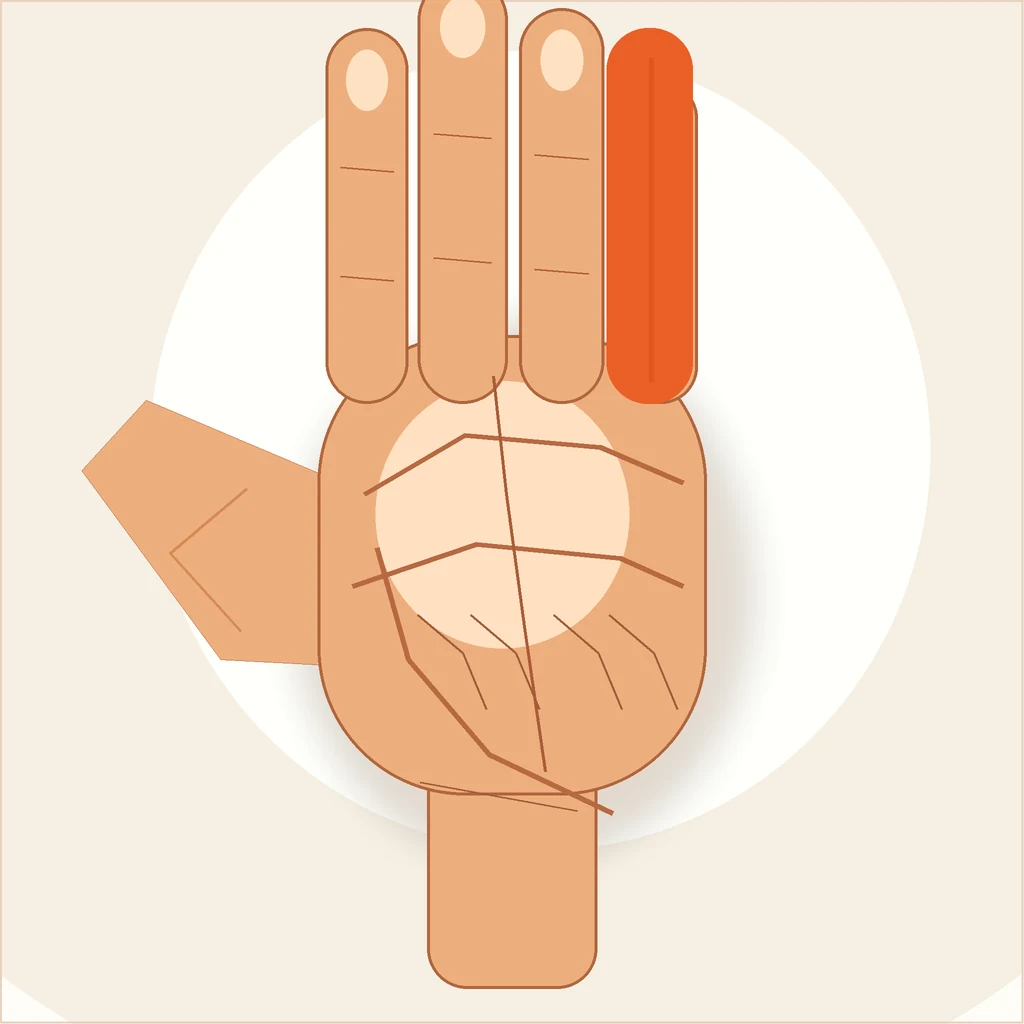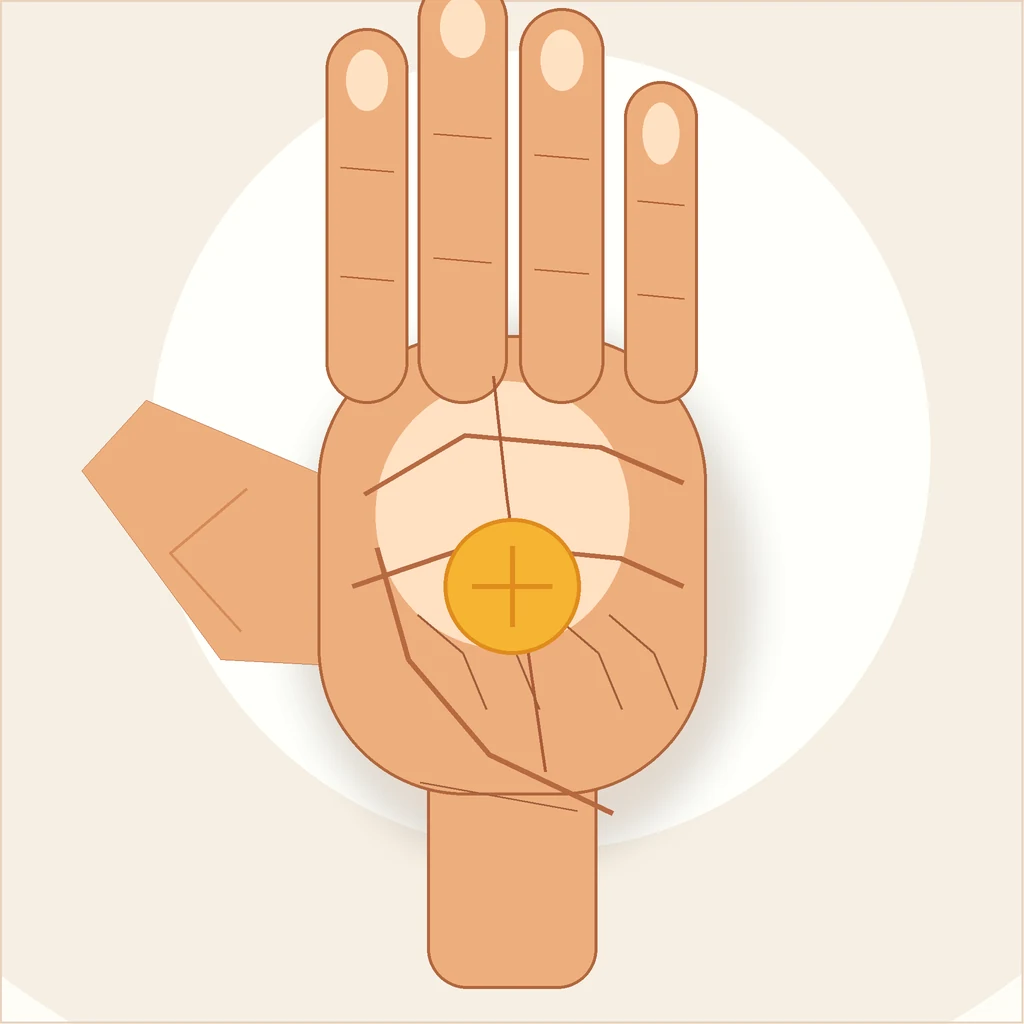
Hand Symbolism

Which Hand Is Lucky?

The prejudice in favour of the right hand is so old and so global that linguists named it: the word "dextrous" comes from the Latin for right-handed, while "sinister" comes from the Latin for left. The left hand has had a rough time of it in the historical record, and palmistry is not entirely innocent on this score.

The question of which hand is "lucky" turns out to be really a question about which hand different cultures have decided to trust — and the reasons are as much political and religious as mystical.

Quick answer

In most cultural and palmistry traditions, the right hand is considered the "active" or luckier hand — associated with giving, manifesting, and outward action. The left is receptive, associated with receiving and latent potential. However, in several traditions, the left hand is specifically the hand of incoming fortune — the hand money flows into. Neither is universally "luckier"; it depends entirely on which tradition you are drawing from.

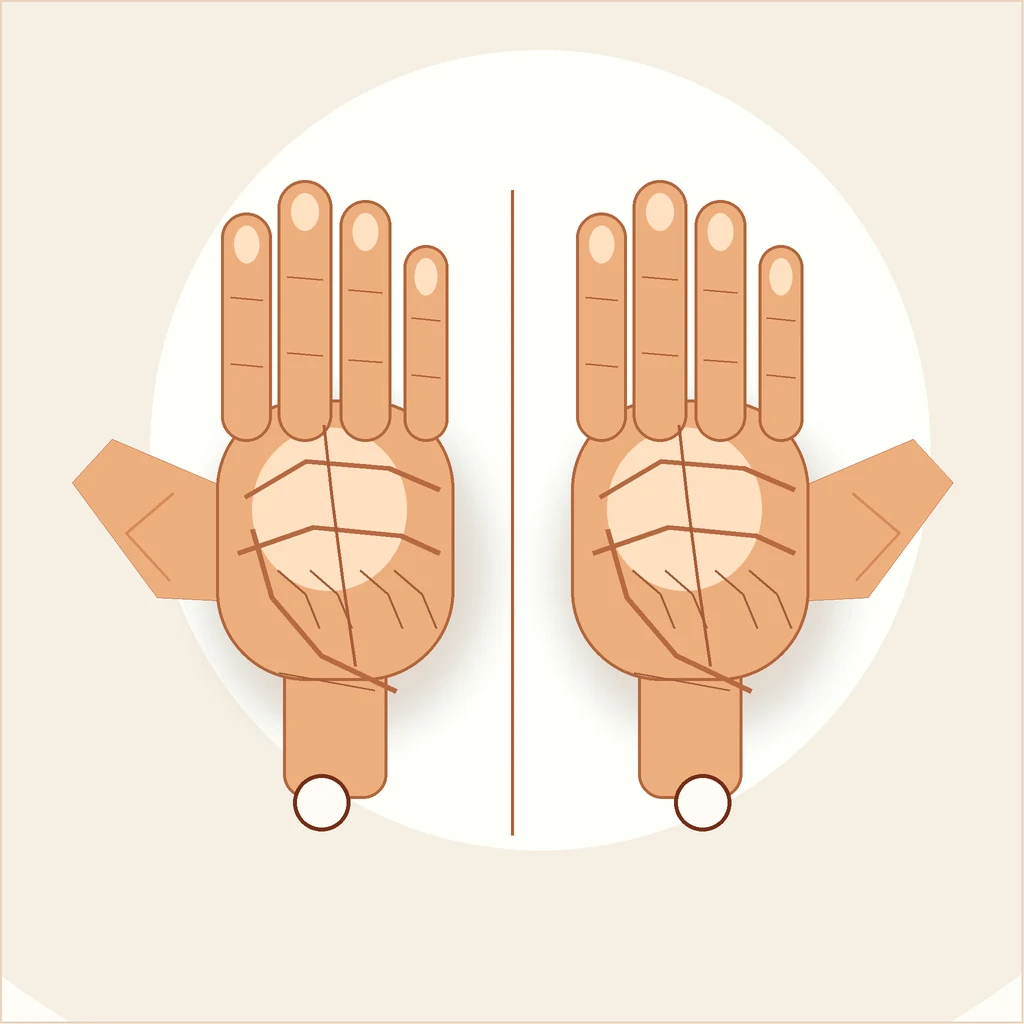
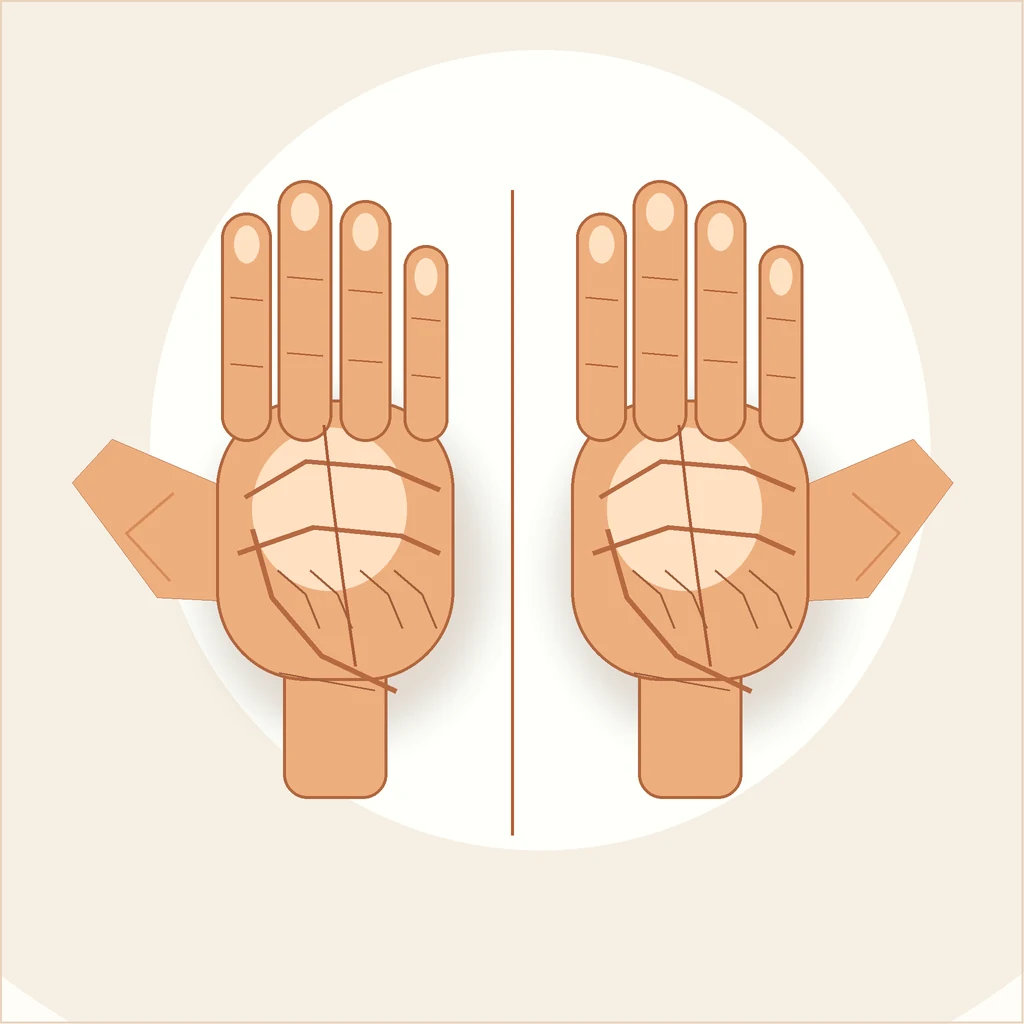
Editorial illustration comparing right and left hands
Active, giving, manifestingRight Hand
Receptive, incoming fortuneLeft Hand
Favour the rightMost Cultural Traditions
Left (in some traditions)Money Into
01Overview

Overview

The short answer

The right hand's historical privilege is so deeply embedded in language, gesture, and social practice that it is almost impossible to discuss neutrally. Oaths are sworn on it. Deals are sealed with it. Divine favour, in most iconographic traditions, descends from the right hand of God. The left has been associated, across cultures from ancient Rome to medieval Christianity to several Asian traditions, with the sinister, the inauspicious, and the impure.

Palmistry inherited this bias and formalised it. The right hand became the hand of manifest life — action, achievement, the future. The left became the hand of what you were given at birth — potential, character, the inheritance you did nothing to earn.

The irony is that the left hand is sometimes specifically identified as the hand money flows into — the receiving hand. In this interpretation, the left hand is where luck arrives, even if the right hand is where it is deployed. Whether your left or right hand is luckier therefore depends on whether you are asking about causing good fortune or receiving it.
AI capability map

What the model can detect versus what it cannot know

Can do

Describe visible features, compare lines, and apply a learned palmistry framework.

Cannot do

Verify future events, hidden facts, spiritual claims, or medical conclusions.

02PERSPECTIVE

Perspective

The global bias toward the right hand says less about luck and more about the 90% of humans who are right-handed — the majority writing the traditions, literally with their dominant hand, and declaring it the favourable one. The left-handed minority has been managing the cognitive dissonance of being "sinister" by etymology for approximately two thousand years.

03TAKEAWAYS

Verdict

The right hand is generally favoured in most cultural and palmistry traditions.

Supporting Finding

The left hand is considered receptive — the hand incoming fortune flows into.

Reading Context

Neither hand is universally luckier; the answer depends on the tradition and the type of luck you mean.

Why It Feels True

Historical right-hand bias is cultural and linguistic as much as mystical.

04FAQ

FAQ

Common follow-up questions

Is the left hand lucky for money?

In several traditions, yes — particularly in the sense of receiving money. The left hand is the hand money "flows into" in some folk beliefs. This is distinct from the right hand's role as the hand that actively generates or manages wealth.

In palmistry, which hand is read for luck?

Most palmists read the dominant hand for current life and outcomes (including luck), and the non-dominant hand for innate potential. Both are relevant to a full picture.