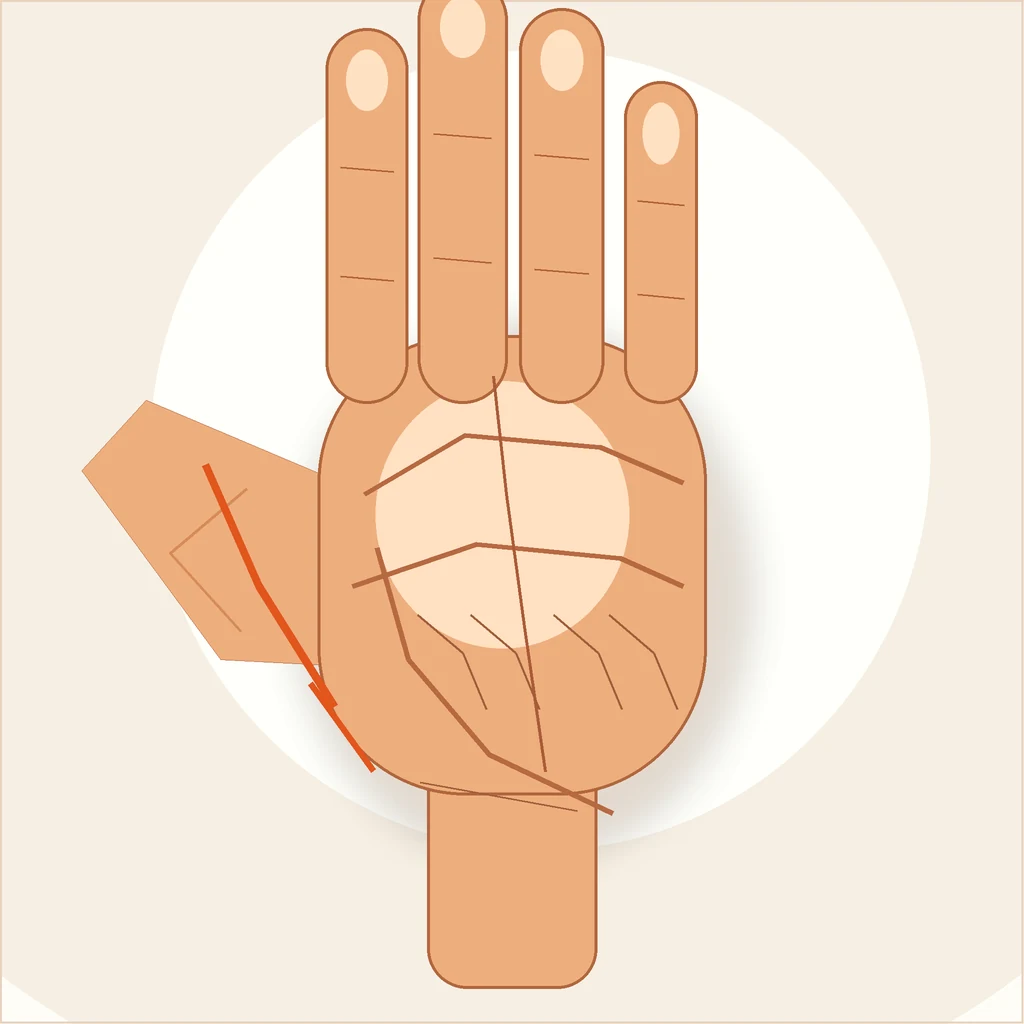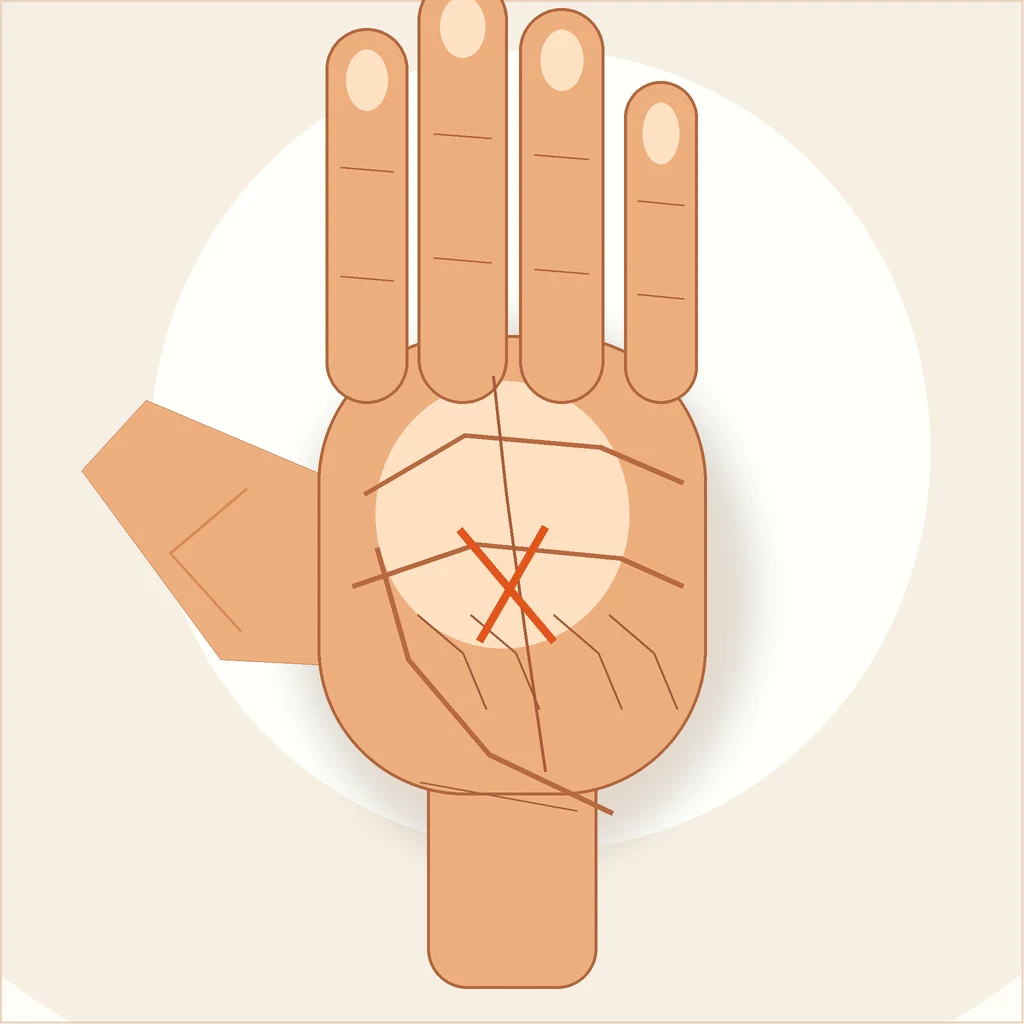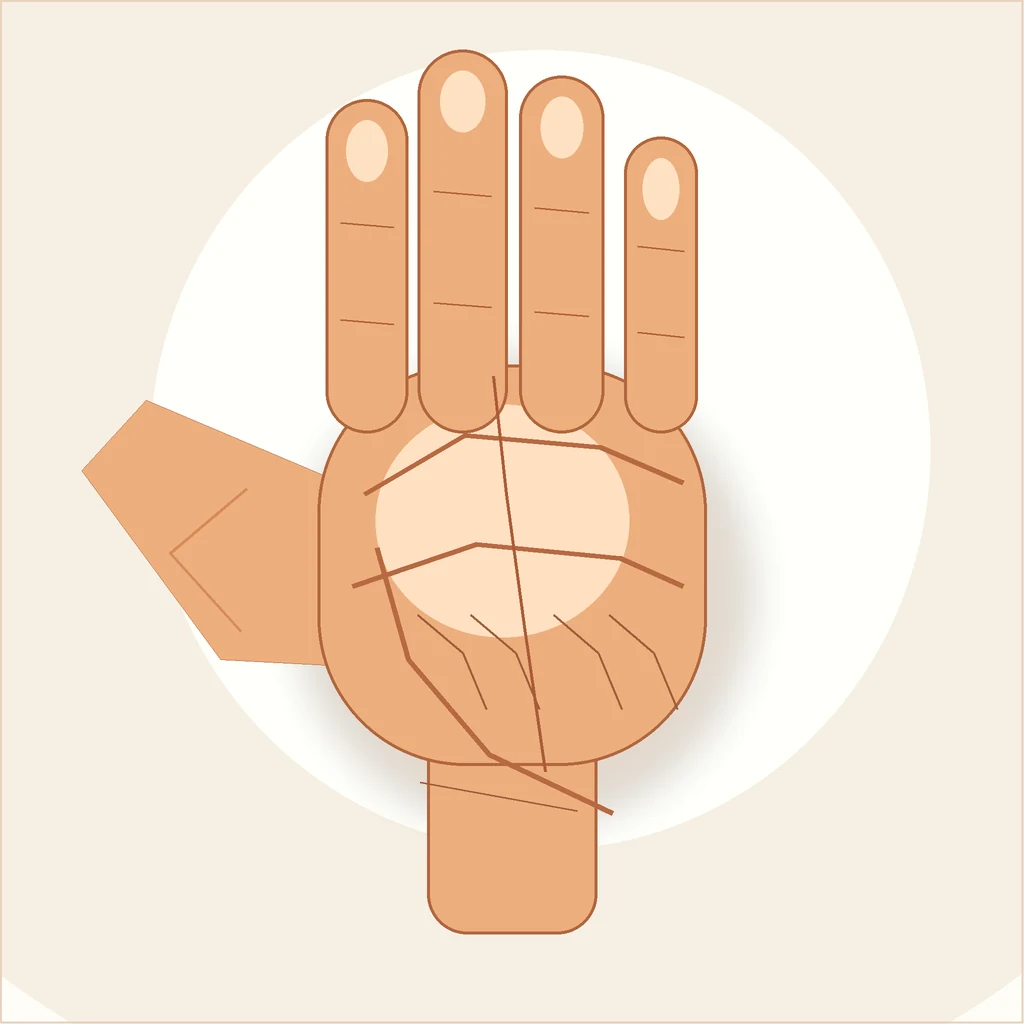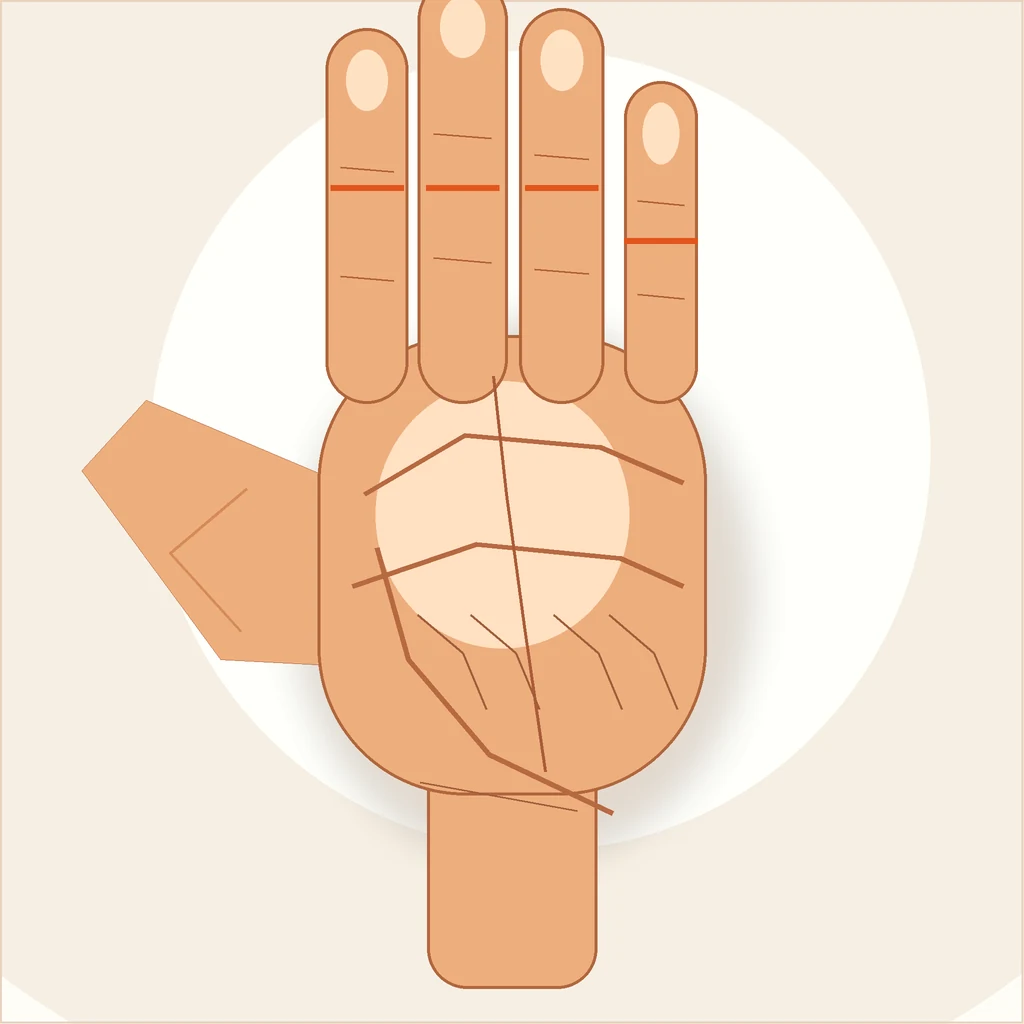
The classical palmistry system assigned the five fingers and the mounts beneath them to seven classical planets (the thumb shares Saturn and Venus across different traditions). The reasoning was direct: each planet in classical astronomy governed a set of human qualities, and the finger associated with that planet was considered a marker of how strongly those qualities were expressed in the individual.
Jupiter — the index finger — governed leadership, ambition, authority, and religious inclination. A long, well-formed Jupiter finger suggested someone who naturally assumes leadership roles and expects to be followed. A short Jupiter finger suggested someone who underestimates themselves or avoids responsibility.
Saturn — the middle finger — governed discipline, limitation, responsibility, and the capacity for solitude. It is the longest finger on most hands, which classical palmists read as significance: Saturn's themes — mortality, time, and consequence — were considered the bedrock of experience. A strong Saturn finger suggested someone serious, methodical, and perhaps inclined toward melancholy.