Palmistry Marks

What Is the Witches Mark on the Palm?

The witch's mark is palmistry's most atmospheric feature. It sounds like it should appear in a dimly lit room while someone in a shawl murmurs dramatically. In practice, it is a small crescent or a particular formation of lines that classical palmistry associated with heightened intuition.

The interesting question is not whether the mark confers psychic ability. The interesting question is why so many people feel a small, private thrill when they think they might have it.

Quick answer

The "witch's mark" in palmistry typically refers to either a crescent or semicircular marking on the mount of Luna (the fleshy base of the palm on the little-finger side), or sometimes to a particular configuration of the intuition line. It is traditionally associated with strong intuitive ability, psychic sensitivity, and creative imagination.

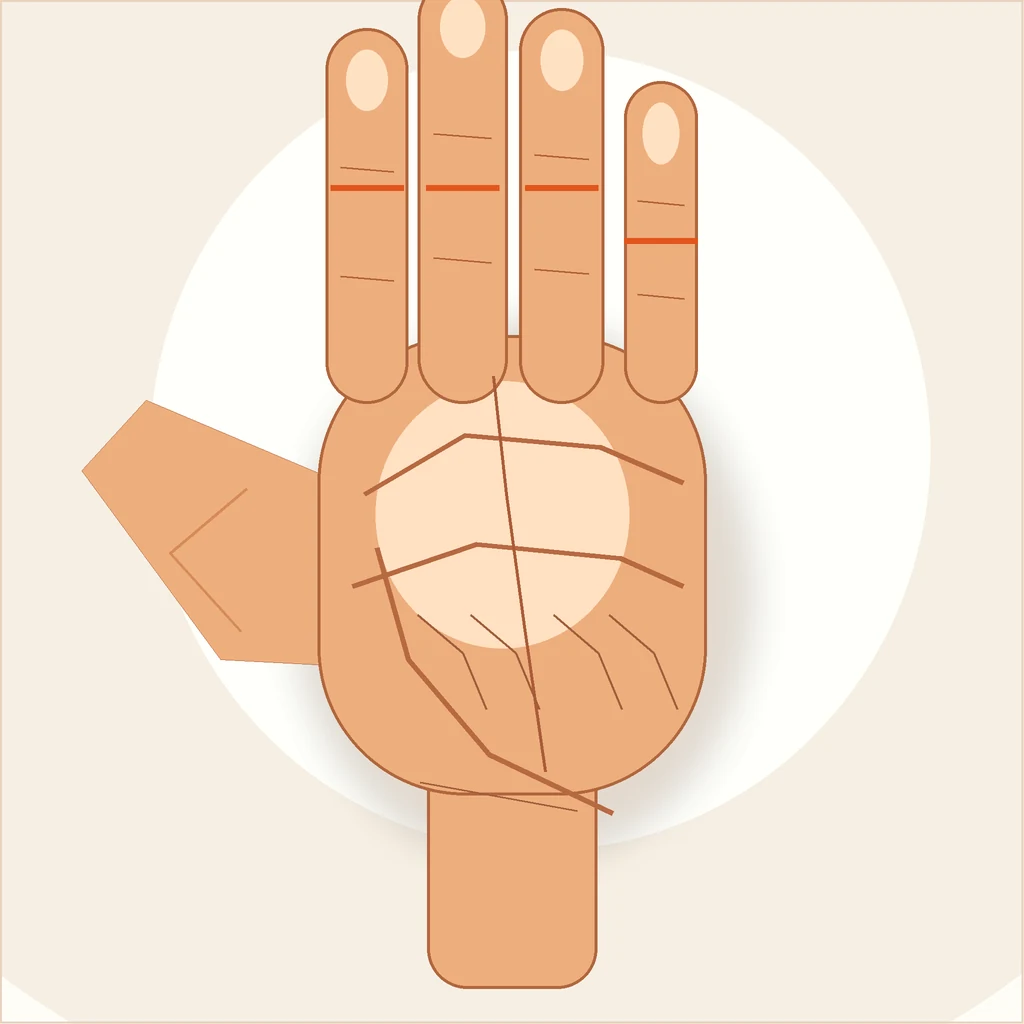
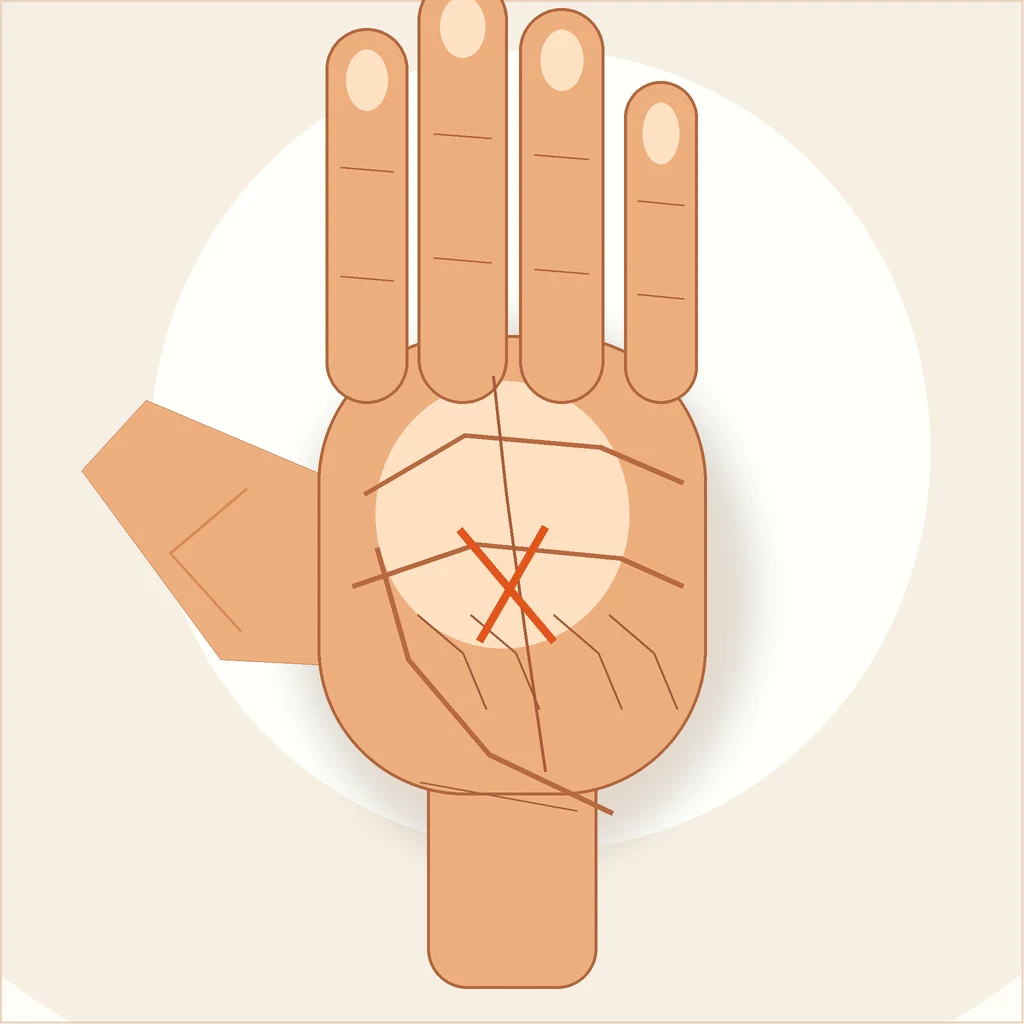
Editorial illustration of a palm with the Luna mount and intuition marking highlighted
Museum field-note style illustration of an open palm on aged parchment with the lower little-finger edge and a small crescent marking highlighted, warm editorial tone, atmospheric but not dramatic.
Intuition MarkingAlso Called
Mount of Luna or Intuition LineLocation
Intuition, SensitivityTraditional Meaning
UnverifiedConfers Psychic Powers
01Overview

Overview

The short answer

Classical palmistry named the fleshy pad at the base of the palm on the little-finger side the mount of Luna, after the Roman moon goddess. Luna was associated with imagination, the subconscious, creativity, and — in the more enthusiastic interpretations — psychic sensitivity. A well-developed mount was considered a sign that its owner lived as much in their inner world as the outer one.

The witch's mark, as the internet calls it, typically refers to a crescent-shaped line or marking on this mount, or sometimes to the intuition line — a curved line running from the mount of Luna upward toward Mercury (the little finger). Classical palmists interpreted the intuition line as a sign of strong gut instinct, vivid dreaming, and a tendency to know things without quite being able to explain how.

The "witch" label is, like the "billionaire line," a modern flourish. It makes for a better story. And in fairness, "your intuition line suggests heightened sensitivity" does sound considerably less interesting than "you have the witch's mark."


AI capability map

What the model can detect versus what it cannot know

Can do

Describe visible features, compare lines, and apply a learned palmistry framework.

Cannot do

Verify future events, hidden facts, spiritual claims, or medical conclusions.

02TRADITIONS

What different traditions say about it

Indian palmistry (hasta samudrika shastra) has a long tradition of reading palm markings for spiritual and psychological character. Crescent markings in the lunar zone were associated with individuals drawn toward mysticism, healing, and deep inner life. This was not considered unusual — a significant portion of classical Indian palmistry was aimed at identifying spiritual aptitude alongside more practical matters.

Western palmistry, particularly in its Victorian flourishing, took a similar view. Cheiro — the enormously popular Irish palmist who read the hands of Mark Twain, Oscar Wilde, and a startling number of European royals — described the intuition line as a mark of "marvellous intuition," one that allowed its possessor to sense things beyond normal perception. He wrote this with complete confidence, which was rather his style.

What both traditions agree on is the association with inner life rather than outer achievement. The witch's mark, in every cultural context that mentions something like it, belongs to people who notice things others miss — whether that is classed as intuition, sensitivity, creativity, or something more mystical depends on the reader's starting assumptions.

03A FAIR WARNING

The confirmation bias question

The witch's mark is particularly susceptible to what psychologists call confirmation bias — the tendency to notice and remember evidence that supports what we already believe. If you already think of yourself as intuitive, you are considerably more likely to find a crescent on your Luna mount, interpret an ambiguous line as the intuition line, and feel validated by the whole enterprise. This does not mean the tradition is worthless. It means approaching it as self-reflection rather than objective divination produces a more honest result.

04MYTHS

Myth versus reality

Myth

The witch's mark proves you have psychic ability.

Reality

No palm marking has been scientifically verified as a predictor of psychic ability. The marking is associated with intuition in cultural tradition, which is a different claim.

Myth

It is a rare and special marking few people have.

Reality

The markings described as the witch's mark vary by interpreter. Some are genuinely uncommon; others are present in a large portion of the population. Rarity claims should be viewed with some scepticism.

Myth

Having this mark means you should become a healer or spiritual practitioner.

Reality

The tradition suggests sensitivity and intuition, not a career prescription. Many people with strong intuition work as engineers, doctors, and accountants.

05PERSPECTIVE

Perspective

There is something genuinely interesting about a tradition that tried to map the interior life onto the physical hand. Whether or not the witch's mark "works" in any verifiable sense, it represents a very human attempt to find external confirmation of internal experience. The palm, in this reading, is less a fortune teller and more a mirror.

06TAKEAWAYS

Verdict

The witch's mark usually refers to a crescent or the intuition line on the mount of Luna.

Reading Context

Classical tradition associates it with intuition, sensitivity, and inner life.

Reading Context

The "witch" label is modern and atmospheric rather than traditional.

Evidence Status

It is a useful prompt for self-reflection, not a verified psychic credential.

07FAQ

FAQ

Common follow-up questions

Where exactly is the witch's mark on the palm?

Look at the lower edge of your palm on the little-finger side (the pinky side). The fleshy area there is the mount of Luna. A crescent or curved line in this region is what most sources mean by the witch's mark.

Is the witch's mark the same as the healer's mark?

No. The healer's mark is typically described as a cluster of small vertical lines below the little finger. The witch's mark is a crescent or intuition line on the Luna mount. They are different features with overlapping cultural associations.

Can everyone have the witch's mark?

Markings in the Luna area are relatively common. Whether a given person "has" the witch's mark depends heavily on which specific features the interpreter is looking for and how generously they define them.