Finger Symbolism

What Does the Thumb Mean in Palmistry?

The thumb is, biologically speaking, the most distinctive thing about the human hand. The degree to which it can oppose the other fingers — reaching across the palm to meet them — separates us from every other species in ways that are literally civilisation-shaping. Palmistry, to its credit, noticed this and gave the thumb disproportionate attention.

Where the other fingers were assigned planets, the thumb was given something older and more fundamental: will and logic. In the palmistry view, the thumb is the self — the conscious, driving force that makes everything else possible.

Quick answer

In palmistry, the thumb represents will (lower phalange) and logic (upper phalange). A long thumb suggests strong willpower and intellectual capacity. A stiff, inflexible thumb suggests stubbornness. A very flexible, bending-back thumb suggests adaptability — or, in more cautious readings, inconsistency. The set of the thumb (high, medium, or low on the palm) indicates independence and open-mindedness.

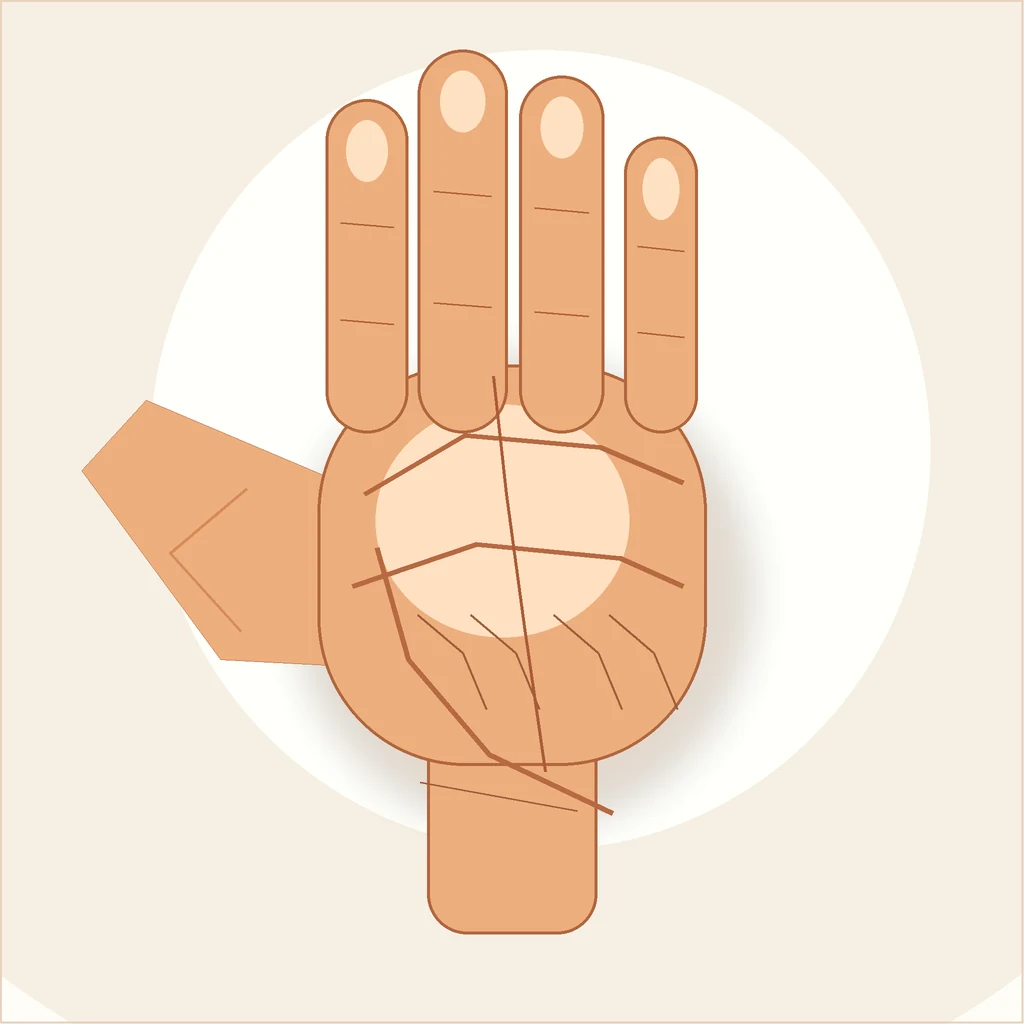
Editorial illustration of a hand with the thumb prominent
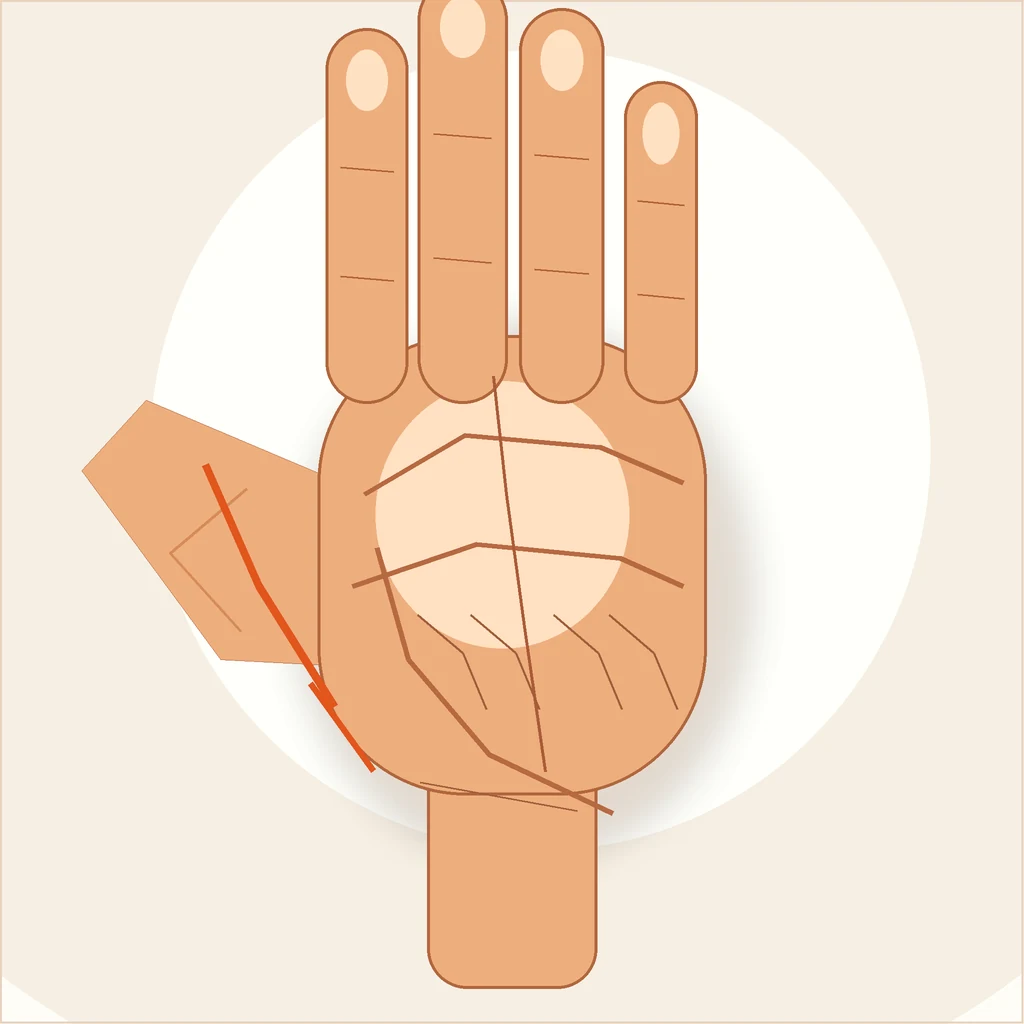
Museum field-note editorial illustration of an open hand with the thumb extended, two phalanges of the thumb annotated, aged parchment style.
Will — drive and determinationUpper Phalange
Logic — reasoning and judgmentLower Phalange
Adaptability vs stubbornnessFlexibility
Independence and open-mindednessThumb Set
01Overview

Overview

The short answer

Classical palmistry divided the thumb into two active phalanges (the tip phalange and the middle phalange) and read them separately. The tip phalange — the one ending at the thumbnail — was associated with will: the drive to act, the capacity to persist, the energy that converts intention into outcome. The middle phalange was associated with logic: the reasoning capacity that directs the will toward worthwhile ends rather than pointless ones.

The ideal thumb, in classical palmistry, had a tip phalange and middle phalange of roughly equal length — will balanced by logic, action balanced by reflection. A very long tip phalange relative to the middle was the mark of someone who acts first and thinks later. A very long logic phalange relative to the tip belonged to someone who thought extensively and acted rarely — a reasonable description of certain academic temperaments.

Thumb flexibility was a secondary indicator. A stiff, straight thumb that barely bends backward was associated with stubbornness, resistance to change, and a fixed worldview. A very flexible thumb that bends far back was associated with adaptability, generosity — and sometimes with a certain inability to hold firm under pressure.
AI capability map

What the model can detect versus what it cannot know

Can do

Describe visible features, compare lines, and apply a learned palmistry framework.

Cannot do

Verify future events, hidden facts, spiritual claims, or medical conclusions.

02PERSPECTIVE

Perspective

The palmistry emphasis on the thumb as will and logic, separated from the planetary system that governs the fingers, is surprisingly modern in its framing. It is almost a proto-psychological model: you are your will directed by your reason, and the rest of your personality (the planetary fingers) is the context in which that self operates. It is a crude model, but it is not a stupid one.

03TAKEAWAYS

Verdict

The thumb in palmistry represents will (tip phalange) and logic (middle phalange).

Supporting Finding

Ideal balance is equal-length phalanges — action directed by reflection.

Important Limit

Flexibility indicates adaptability; stiffness indicates stubbornness.

Reader Guidance

The angle at which the thumb is set indicates independence and open-mindedness.

04FAQ

FAQ

Common follow-up questions

What does a clubbed thumb mean in palmistry?

A clubbed or "murderer's thumb" (bulbous tip phalange with a very short nail) was associated in Victorian palmistry with explosive temperament and impulsive action. The interpretation is now considered outdated and offensive. In medical palmistry, clubbed thumbs are occasionally associated with certain genetic conditions.

What does a low-set thumb mean?

A thumb that is set low on the palm (with a wide angle between thumb and index finger) was associated with independence, open-mindedness, and a generous character. A high-set thumb with a narrow angle was associated with caution and a more conventional, security-focused temperament.