Religious Symbolism

What Does God Say About Hands?

Hands appear in religious texts with striking frequency — more so, arguably, than any other body part except the heart. This is not accidental. Hands are where intention becomes action, where the interior life manifests in the world. Every religious tradition has noticed this, and most have written extensively about it.

The cumulative theology of hands across world religions is really a theology of human agency: what we do with our hands is what we do with our lives, and what we do with our lives is what we offer back to the source of existence.

Quick answer

Religious texts across traditions associate hands with action, responsibility, divine power, and covenant. The Hebrew Bible uses God's "mighty hand" as a symbol of divine power. The New Testament describes healing through the laying on of hands. The Quran references the hand in oaths and moral responsibility. Hindu iconography places meaning in the precise position of hands (mudras). Hands, in religious thought, are where inner intention meets outer consequence.

Editorial illustration of hands in prayer and blessing gestures across traditions
Museum field-note editorial illustration of hands in various sacred gestures — prayer, blessing, mudra — on aged parchment, multi-tradition reference style.
God's hand = divine power and protectionHebrew Bible
Laying on hands = healing and blessingNew Testament
Hands in oaths and moral accountabilityIslam
Mudras = sacred hand gesturesHinduism
01Overview

Overview

The short answer

In the Hebrew Bible, the hand of God — "yad Hashem" — appears hundreds of times as a metaphor for divine power, protection, and intervention. The Exodus narrative is saturated with it: the outstretched hand that parts seas, strikes plagues, and writes commandments on stone. The hand is the instrument of divine will made manifest in history.

The New Testament develops a different but related theme: the healing hand. Jesus heals by touching; the apostles lay hands on the sick and the newly baptised. The hand in the New Testament is less about power and more about transmission — of healing, of the Spirit, of authority passing from teacher to student.

The Quran treats the hands with a different emphasis: as the instruments of human moral action and as the witnesses against us in the final accounting. "And their hands shall speak to us," says one Quranic passage, pointing to the idea that what we have done with our hands is legible — literally, in the theological sense, written on them.
AI capability map

What the model can detect versus what it cannot know

Can do

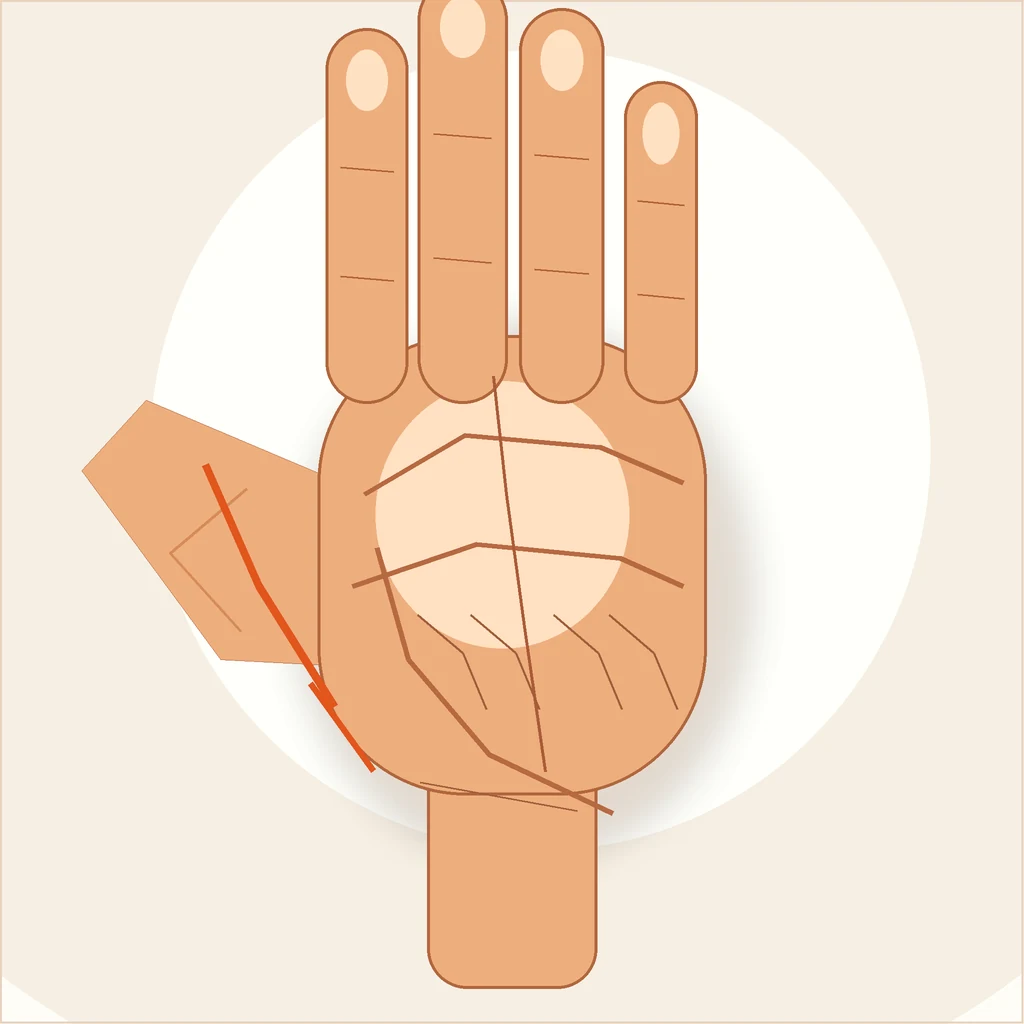
Describe visible features, compare lines, and apply a learned palmistry framework.

Cannot do

Verify future events, hidden facts, spiritual claims, or medical conclusions.

02PERSPECTIVE

Perspective

What is striking about hands in religious texts is that they are almost never passive. Every tradition treats hands as the point of conversion — where belief becomes action, where the divine touches the human, where moral responsibility becomes concrete. Palmistry's interest in the hand as a site of meaning is perhaps less surprising in this context. The tradition was drawing on a very deep well.

03TAKEAWAYS

Verdict

The hand of God in the Hebrew Bible symbolises divine power and historical action.

Practical Use

The New Testament uses the laying on of hands for healing, blessing, and ordination.

Practical Use

The Quran treats hands as instruments of moral responsibility and witnesses in the final judgment.

Reading Context

Hindu tradition assigns sacred meaning to hand gestures (mudras) in prayer and deity iconography.

04FAQ

FAQ

Common follow-up questions

Does the Bible say anything against palmistry?

Leviticus 19:26 and Deuteronomy 18:10–14 in the Hebrew Bible prohibit divination broadly, which many biblical commentators extend to include palmistry. This is interpreted strictly in some traditions and more loosely in others.

What does it mean to "wash your hands" of something in religious terms?

The gesture of ritual hand-washing to signal innocence or disengagement appears in multiple traditions, most famously in Pontius Pilate's gesture in the New Testament (Matthew 27:24) and in Jewish ritual purification practices.