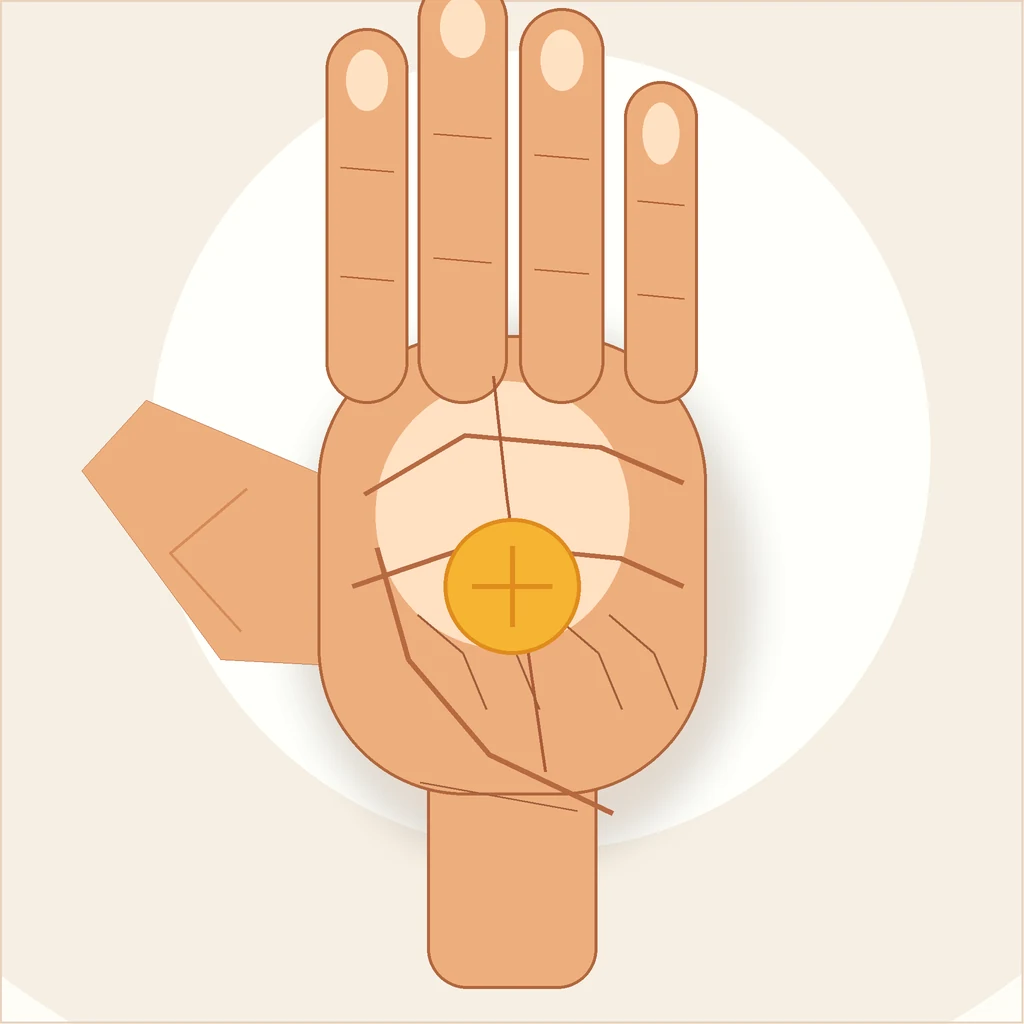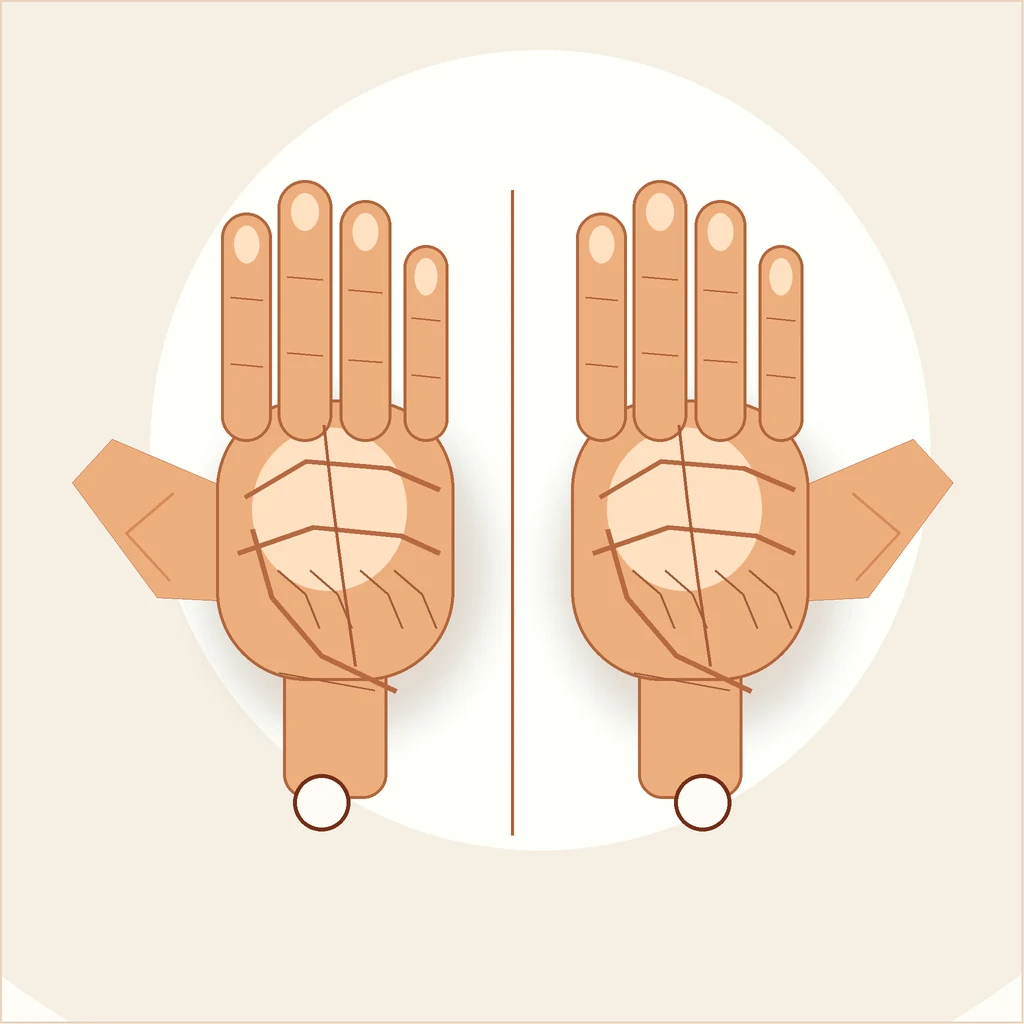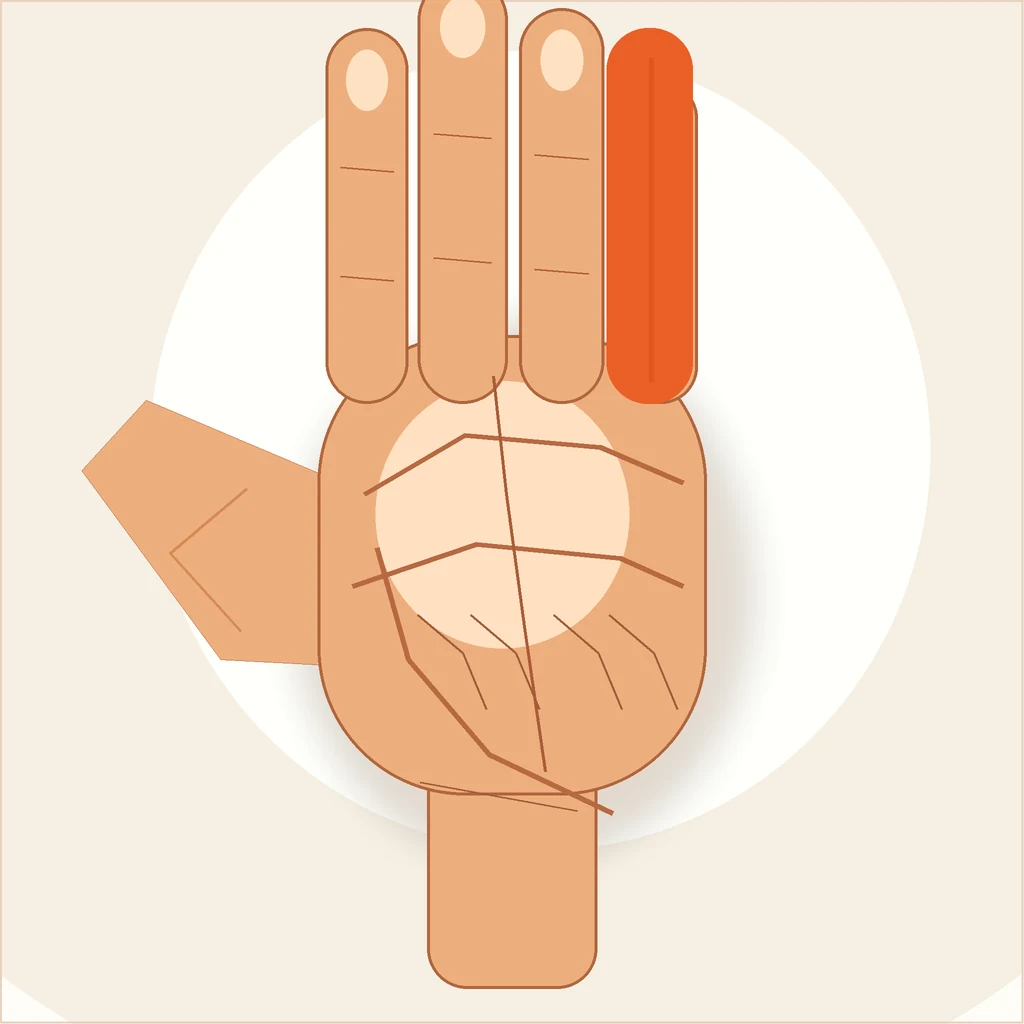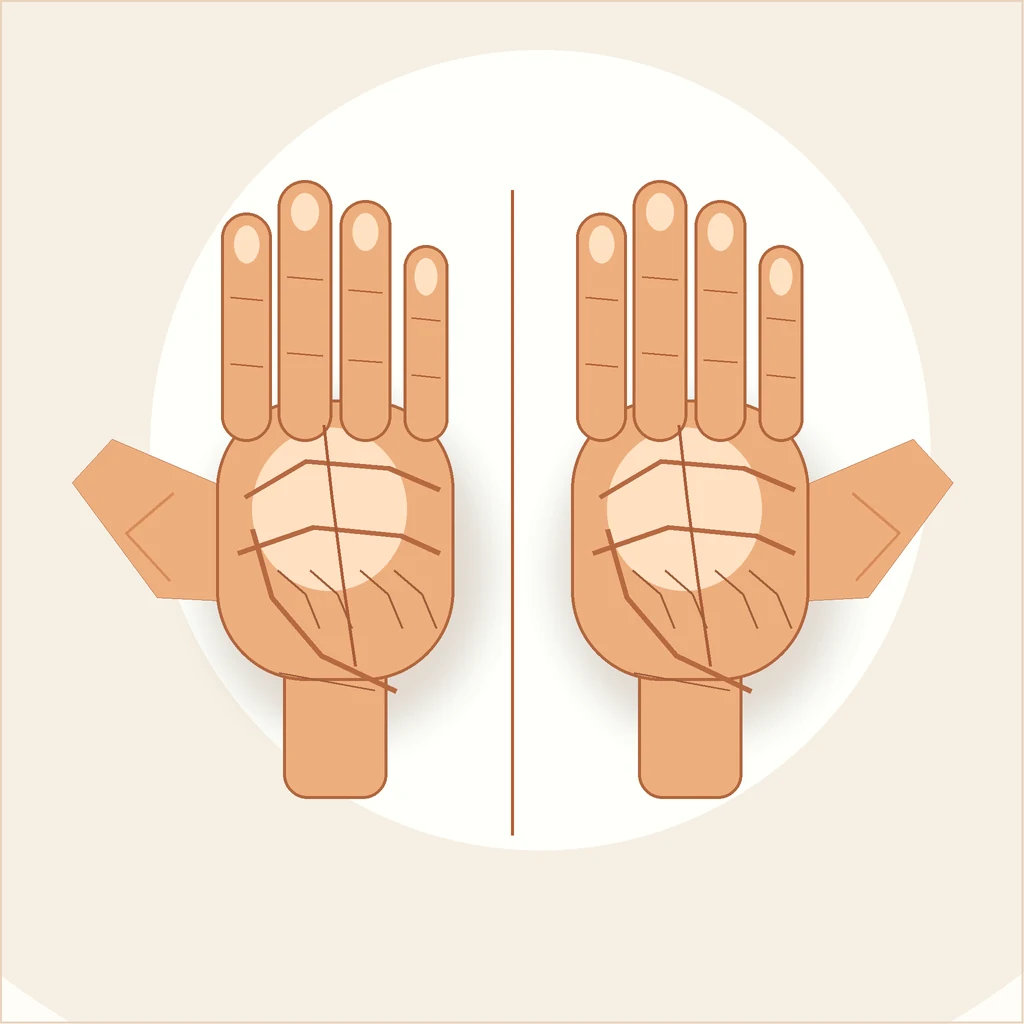
The Western palmistry convention — dominant hand for present and future, non-dominant for innate potential — reflects a specific theory of how life works. You were born with certain capacities (non-dominant hand). What you do with them determines your future (dominant hand). If the lines differ between the two, something has changed: you have either developed beyond your starting point or chosen a path that diverged from your original nature.
Indian palmistry takes a different approach. The classical texts of hasta samudrika shastra generally assign the right hand to men and the left to women, regardless of which hand they use to write. This is not about activity versus passivity but about solar and lunar energies, with the right considered solar (active, manifest) and the left considered lunar (receptive, latent).
Modern practitioners in both traditions tend to read both hands and compare them, on the sensible grounds that the differences between the two are often more informative than either hand read in isolation.