Palm Line Science

Why Do Palm Lines Change?

Your palm is not a printed document — it is living skin, shaped by movement, time, and biology from the moment you were born.

Understanding why lines change turns out to be a surprisingly rich window into how bodies work.

Quick answer

Palm lines change because skin ages and loses elasticity, hand use reinforces or creates crease lines, health and weight changes affect tissue, and fine lines naturally develop over decades.

Age + Skin Change Primary CauseHand Use Secondary CauseConfirmed Health FactorNot Evidenced Supernatural Cause
Editorial illustration of a hand cross-section showing skin layers
Museum field-note style anatomical illustration of a hand cross-section on aged parchment, skin layer detail, fine editorial line work, warm tone, no mystical imagery.
01Overview

Overview

The short answer

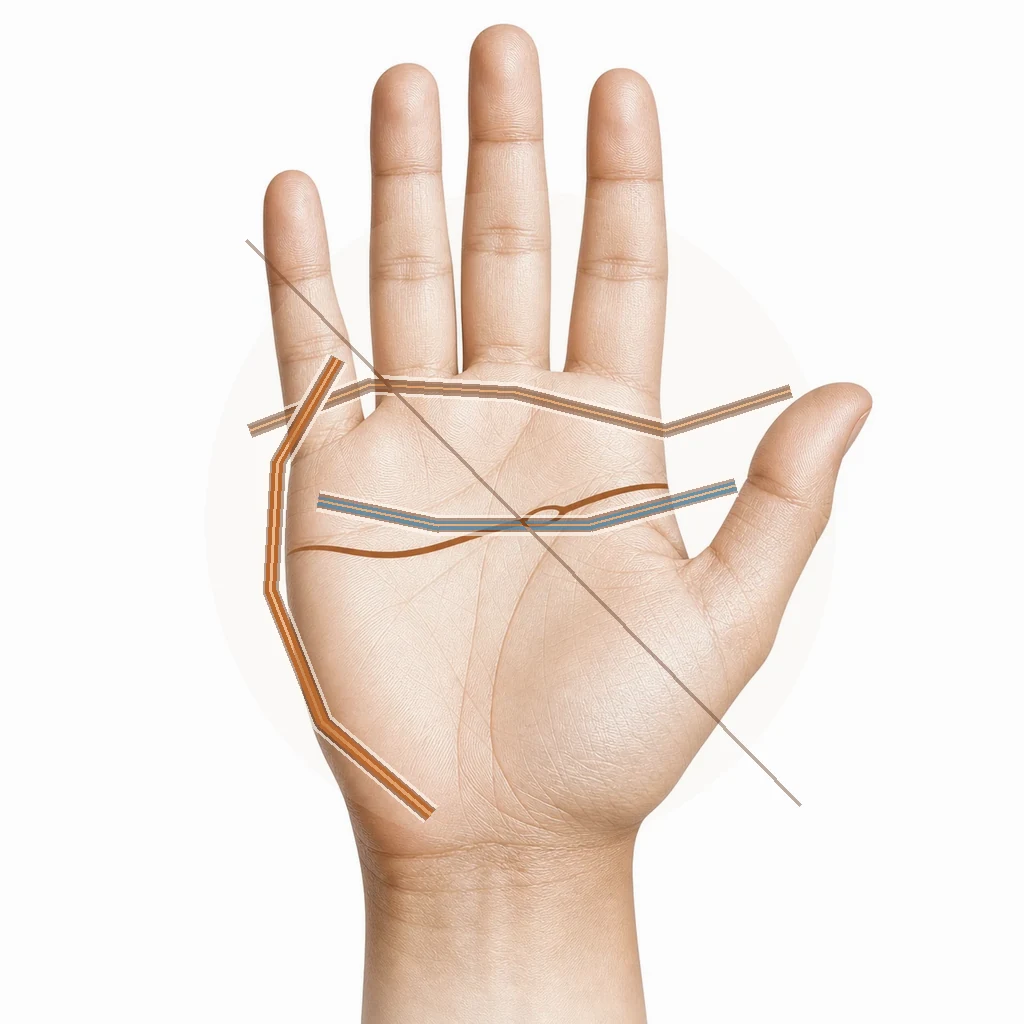
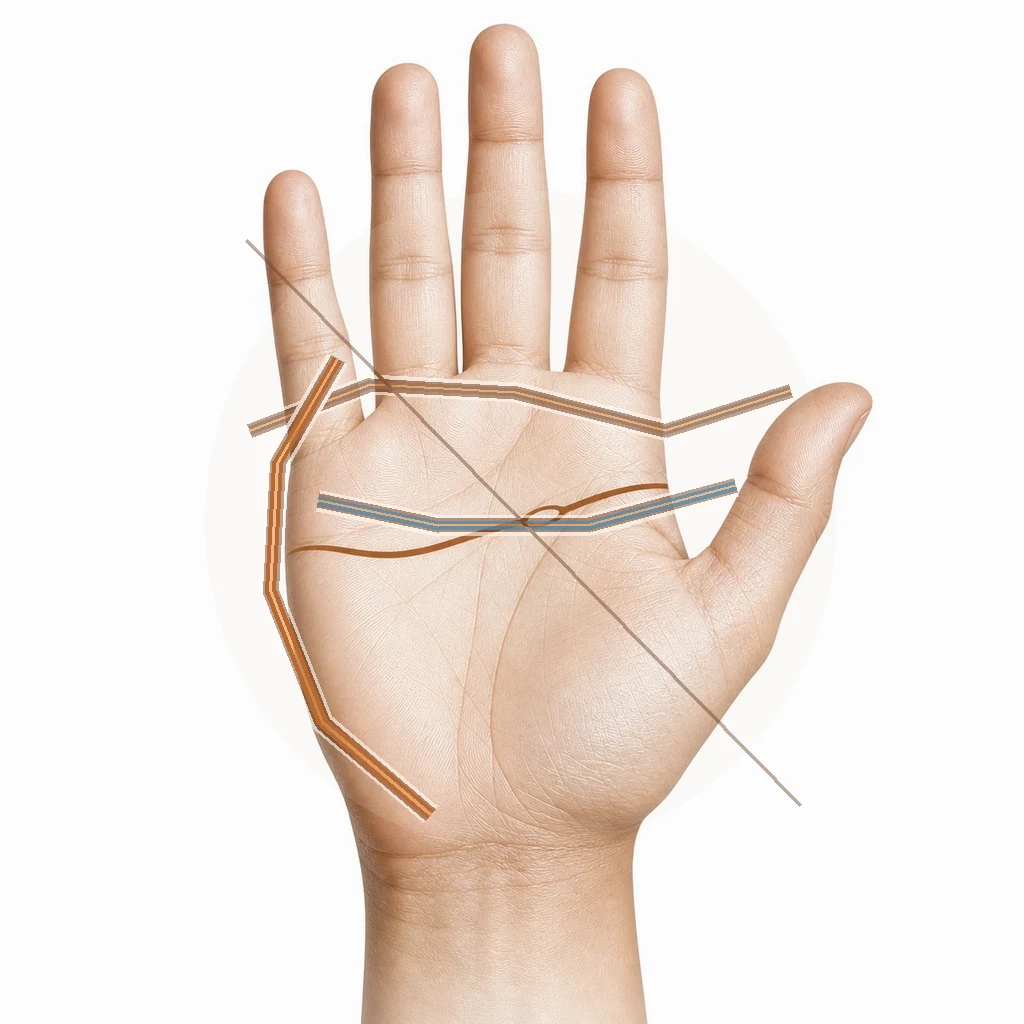
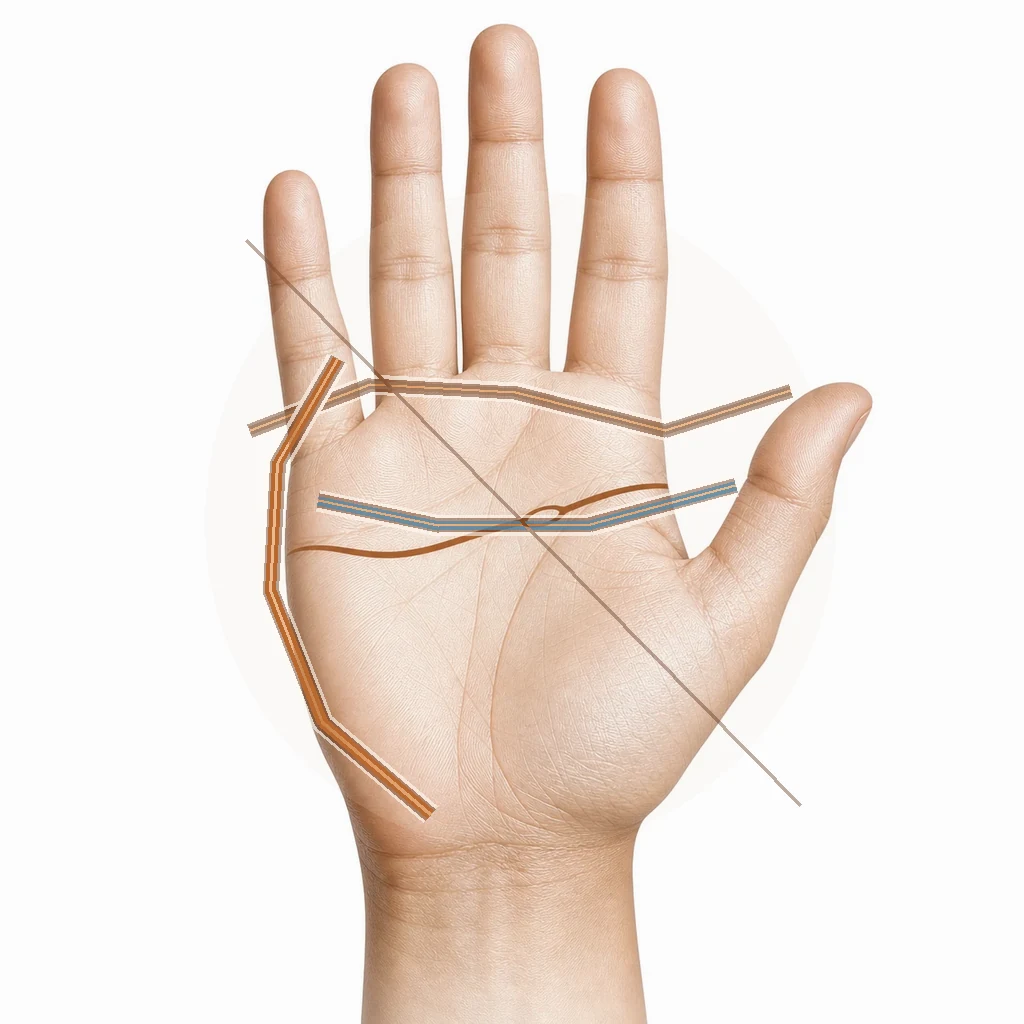
Palm lines are flexion creases — folds in the skin that form where the hand bends. They begin forming before birth, influenced by fetal hand movements. After birth, they continue to develop in response to how the hand is used, how the skin ages, and changes in underlying tissue.

The skin's collagen and elastin network shifts over decades: lines deepen, new fine lines appear, and some shallow marks fade. Occupational use, body composition changes, certain medications, and health conditions affecting skin can all alter the line network.

None of these causes are mystical. They are the same biological processes that create wrinkles on a face or calluses on a foot.
02CAUSES

The main causes in detail

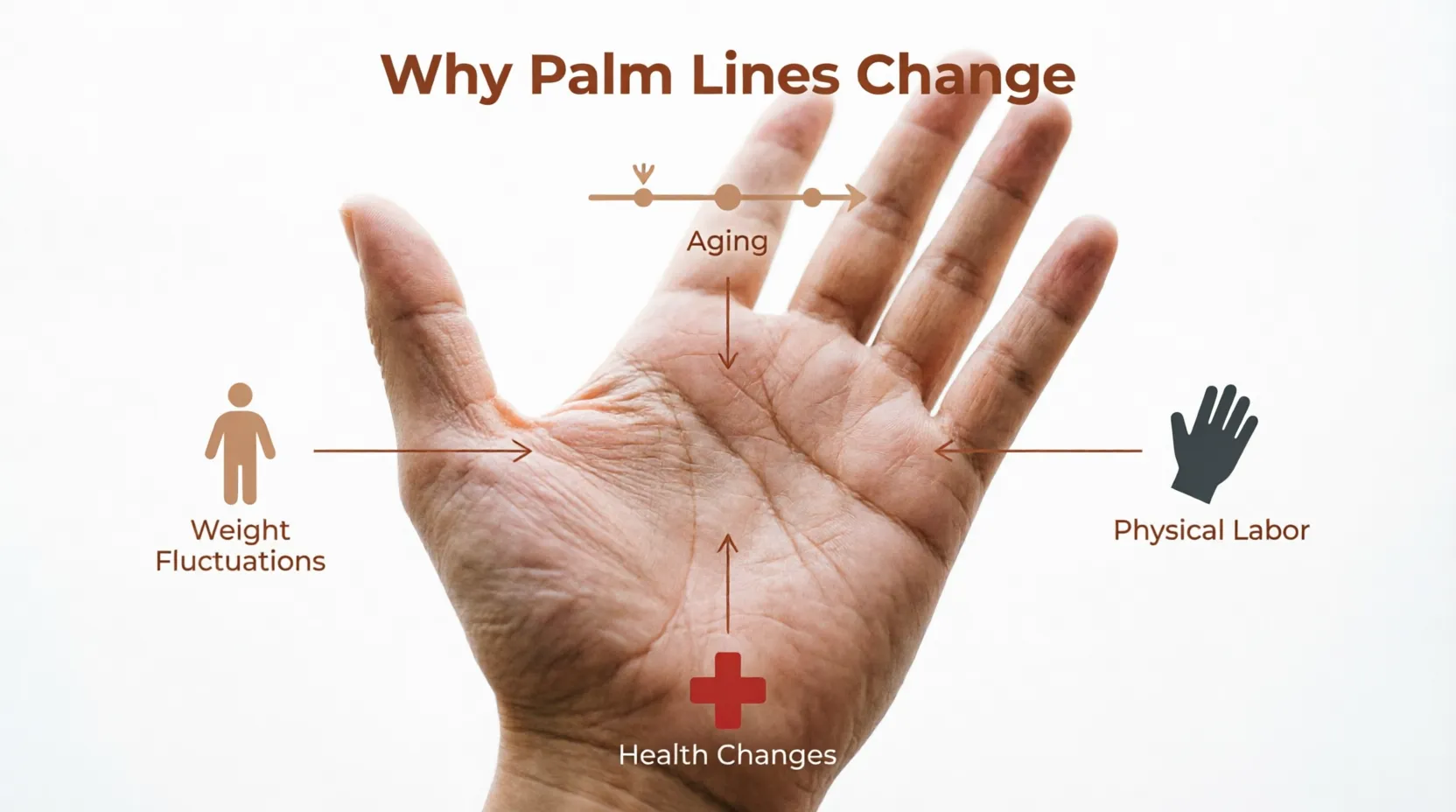
Ageing is the dominant long-term cause. Collagen production slows from the mid-twenties onward, and skin becomes less elastic and thinner. Existing crease lines deepen as the skin no longer rebounds as fully, and fine lines accumulate across the palm surface.

Hand use creates and reinforces crease lines through repetition. A musician who practises scales for hours daily will have different fine line development than an office worker — not because their destiny differs, but because their physical hand use does. Sustained gripping, tool use, and manual work all affect fine line networks.

Significant weight changes affect tissue distribution in the hand, potentially changing how lines appear. Certain systemic health conditions — including those affecting skin collagen, thyroid function, and circulation — can alter palm skin characteristics. Some medications, including those affecting skin turnover, also produce measurable changes.

03CHANGE MYTHS

Myth versus reality

Myth

Lines change to signal coming life events.

Reality

Lines change for biological reasons independent of future events.

Myth

Only major life experiences change the lines.

Reality

Gradual biological ageing changes lines continuously, mostly invisibly.

Myth

You can read your changing lines to understand your changing fate.

Reality

Changes reflect physical state, not metaphysical trajectory.

04TAKEAWAYS

Summary

Palm lines are flexion creases shaped by hand movement, starting before birth.

Practical Use

Ageing, hand use, health, and body composition are the primary causes of change.

Important Limit

Changes are biological, not prophetic.

Reader Guidance

This is consistent with and well explained by known skin biology.

05FAQ

FAQ

Common follow-up questions

At what age do palm lines change the most?

Fine lines develop continuously, but visible change is most notable in the forties and beyond as collagen loss accelerates. Major lines tend to deepen rather than shift.

Can illness change palm lines?

Conditions affecting skin, circulation, or connective tissue can alter fine line appearance. Some genetic conditions produce distinctive palm line patterns that are present from birth.

Do palm lines change the same way on both hands?

The dominant hand typically shows more change from use. The non-dominant hand tends to reflect genetic baseline more closely.