Palmistry Explained

Why Do Palm Readings Differ?

You get a palm reading. The reader tells you your fate line promises a brilliant career. Thrilled, you see another reader a week later. That one tells you your broken heart line suggests emotional trouble ahead. Same hand. Same lines. Completely different stories.

How can two people look at the same palm and see such different futures?

Palm readings differ because palmistry is art, not science.

Quick answer

Palm readings differ because palmistry has no standardised training, no universal line definitions, and no evidence based validation. Different readers follow different traditions, see different details, and bring different interpretive frameworks.

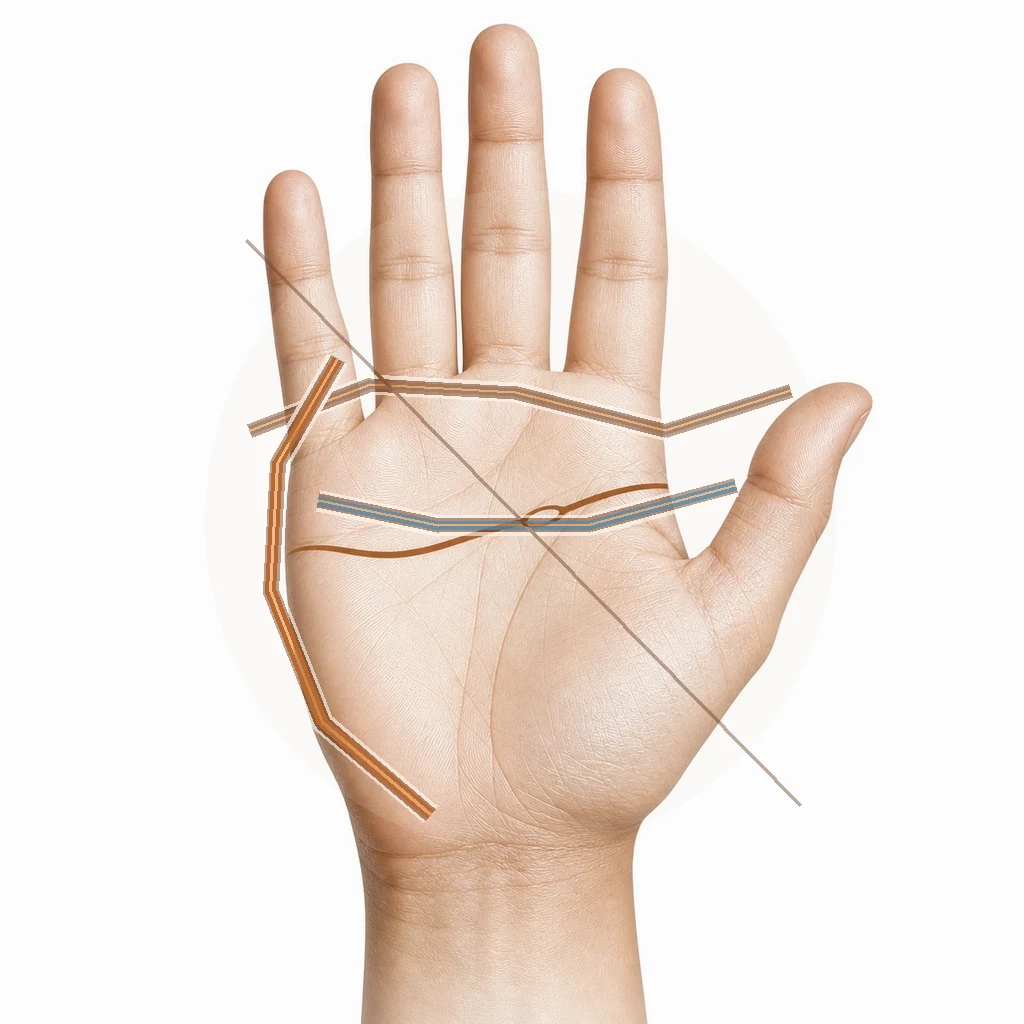
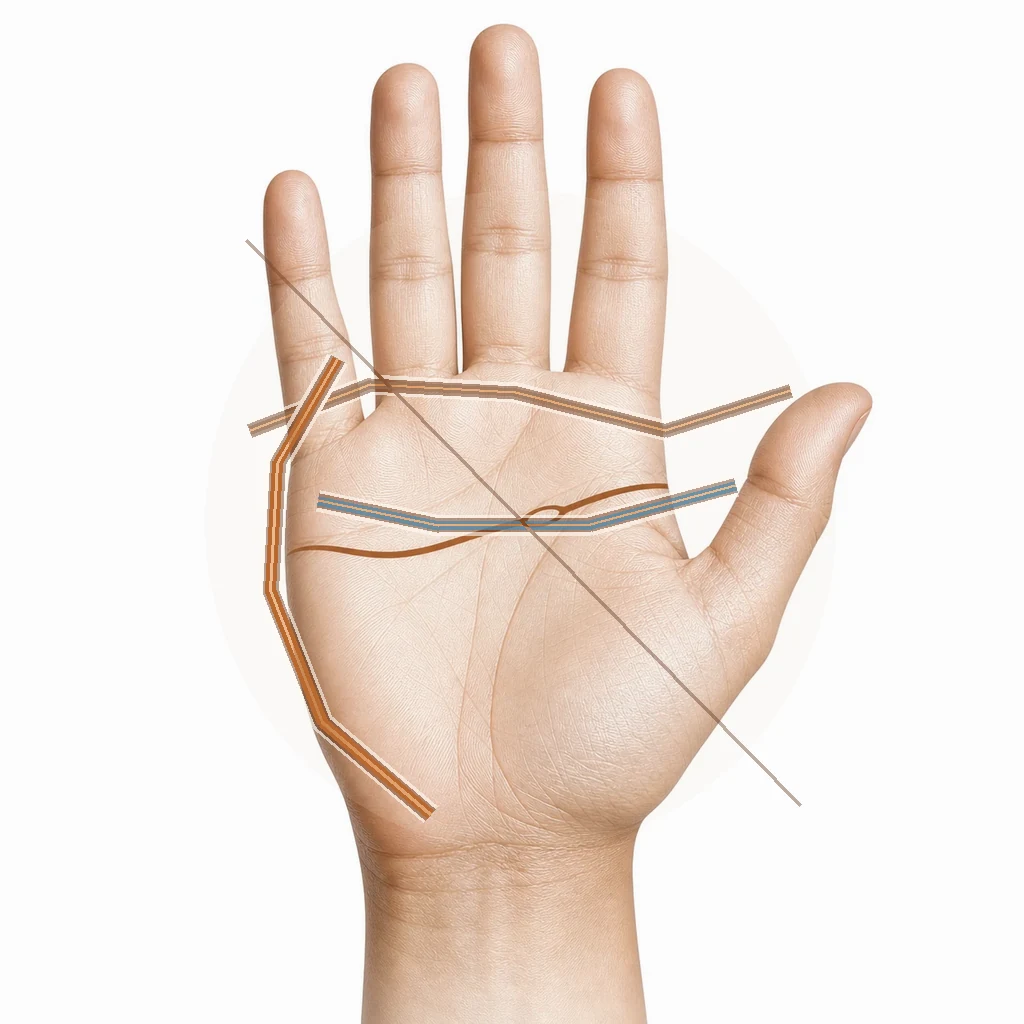
Two different annotated diagrams of the same hand
Editorial image, two palm diagrams side by side, same hand shape but different lines highlighted, contrasting colours.
NoStandard training?
NoUniversal definitions?
Very highReader variation?
NoneEvidence base?
01Overview

Overview

The short answer

There is no central authority in palmistry. No licensing board. No standard textbook that all readers agree on. Instead, there are dozens of traditions: Indian, Chinese, Western, Cheiro, Benham, modern psychological palmistry, folk palmistry, and more.

Each tradition has its own rules. One counts any vertical line as a child. Another counts only deep, clear lines. One reads a heart line fork as balance. Another reads it as a love triangle. One sees a broken fate line as career change. Another sees it as an inheritance.

Add to this the fact that line visibility changes with skin condition, hand position, lighting, and the reader's eyesight. The result is a practice where disagreement is not an accident. It is a feature.
02REASONS FOR VARIATION

Why readings vary so much

First, different traditions assign different meanings to the same line. A deep fate line is success in one tradition and rigid conventionality in another. A forked heart line is balance in one and emotional conflict in another. There is no way to settle these disagreements because there is no authority to appeal to.

Second, readers see different things. One reader might notice a faint branch that another ignores. One might count a line that another considers an artifact of skin creasing. Hand position matters too. A hand held tightly shows different lines than a relaxed hand.

Third, readers bring their own personalities. An optimistic reader finds hopeful meanings. A pessimistic reader finds warnings. The same palm can be read as a story of opportunity or a story of obstacle depending entirely on who is looking.

03TWO READINGS

Visual guide

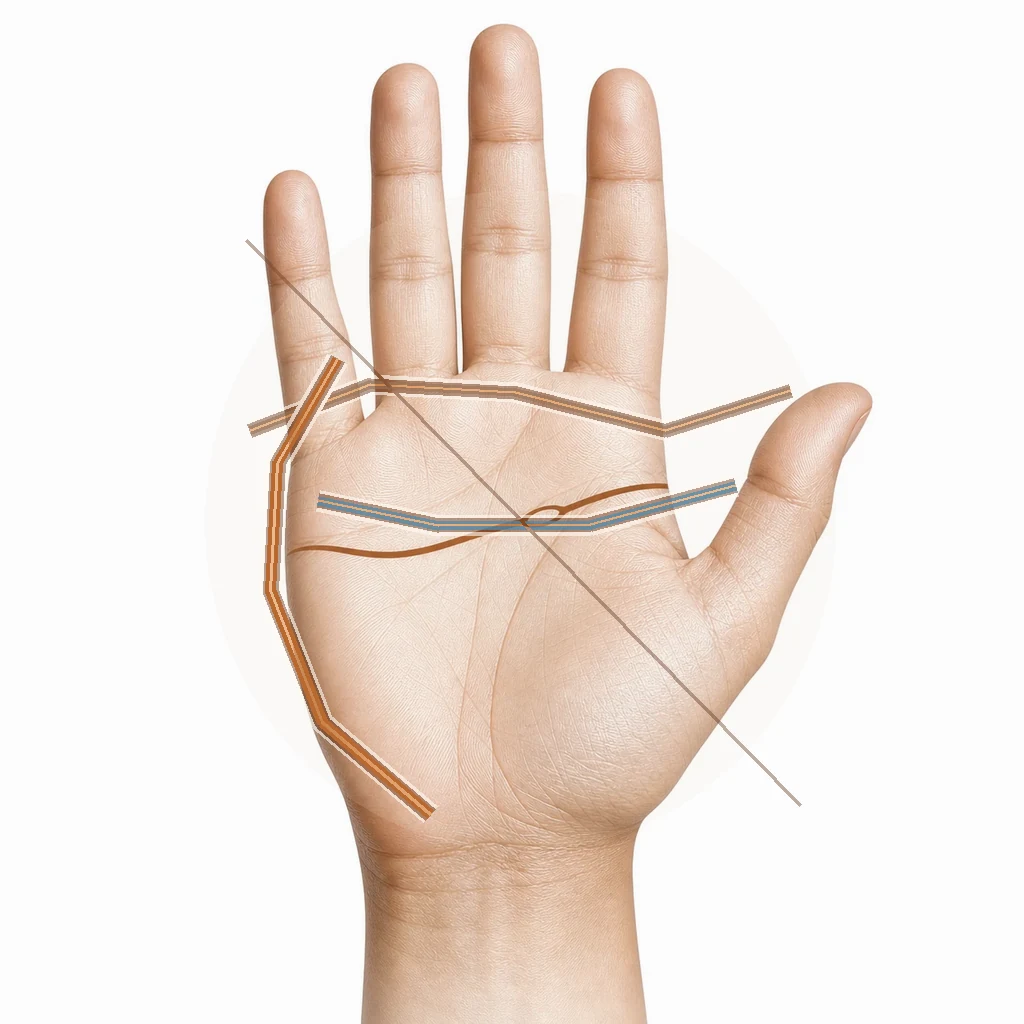
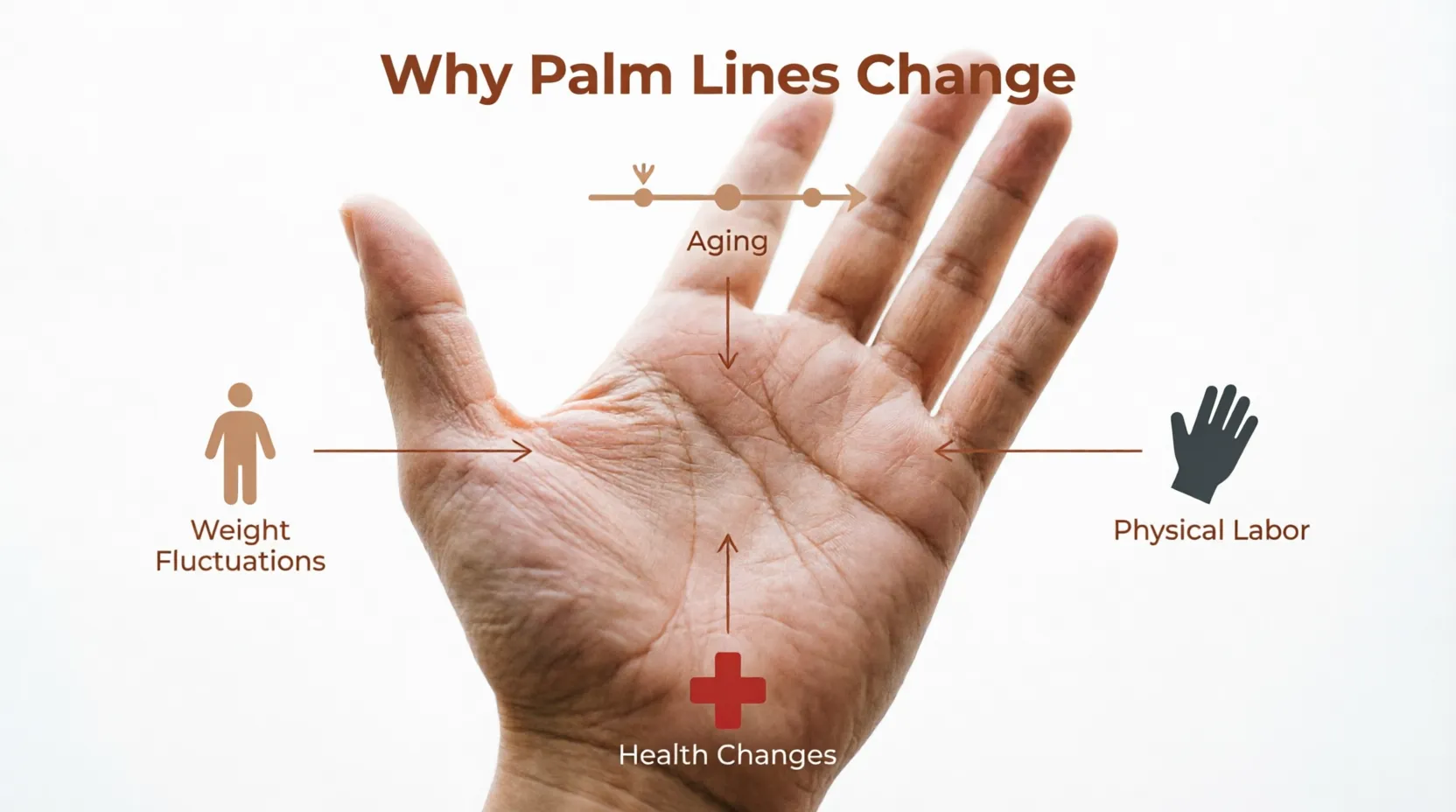
The same hand, two readings

How different readers interpret the same lines differently.

  1. 1Reader ASees a fate line branch. Reads as career change.
  2. 2Reader BSees a sibling line. Reads as family influence.
  3. 3The same creaseOne line, different stories.
04WHAT THIS TELLS US

What this tells us

If palmistry were a reliable diagnostic tool, readers would agree on basic facts. They do not. The disagreement is evidence of subjectivity, not of hidden complexity. The same hand cannot produce opposite true readings. But it can produce opposite opinions.

05DIFFERING MYTHS

Myth versus reality

Myth

Good palmists always agree.

Reality

Good palmists often disagree because they follow different traditions.

Myth

Disagreement means one reader is bad.

Reality

It means the practice lacks standardisation. Both may be skilled within their tradition.

Myth

The truth is somewhere in between.

Reality

There may be no objective truth to find. The readings are interpretations, not facts.

06DECISION TEST

The decision test

Which palm reader should you believe?

Neither or both. Treat readings as perspectives, not facts. The one that helps you reflect usefully is fine. The one that causes anxiety is not. Disagreement is not a problem to solve. It is a signal.

07PERSPECTIVE

A useful way to think about disagreement

When readings differ, do not ask "Who is right?" Ask "Which story helps me see myself differently?" Palmistry is a mirror, not a map. Disagreement is not failure. It is the nature of the art.

08TAKEAWAYS

Verdict

Palm readings differ because palmistry has no standards.

Reading Context

Different traditions have different rules and meanings.

Important Limit

Reader personality and observation also affect readings.

Evidence Status

Treat disagreement as evidence of subjectivity, not hidden truth.

09FAQ

FAQ

Common follow-up questions

Is one tradition more accurate than others?

No. None has been validated by evidence. Accuracy is not the right measure.

Why do online palm readings differ so much?

Same reason: different training, different traditions, different interpretations.

Can I learn to read palms consistently?

Within one tradition, yes. Across traditions, no. Consistency is tradition specific.