Palmistry Explained

Why Do Palmists Disagree?

You sit down with two different palm readers on two different days. One tells you your fate line promises a brilliant career. The other sees a broken love line and a lonely future. Same hand. Same lines. Completely different stories.

How can two people look at the same palm and see such different things?

Palmistry is less like reading a map and more like reading tea leaves — beautiful, suggestive, and deeply subjective.

Quick answer

Palmists disagree because palmistry has no standardised training, no consistent line definitions, and no evidence-based validation. Different schools, traditions, and individual readers interpret the same marks in completely different ways.

No Standardised training?No Universal definitions?None Evidence base?Very high Subjectivity?
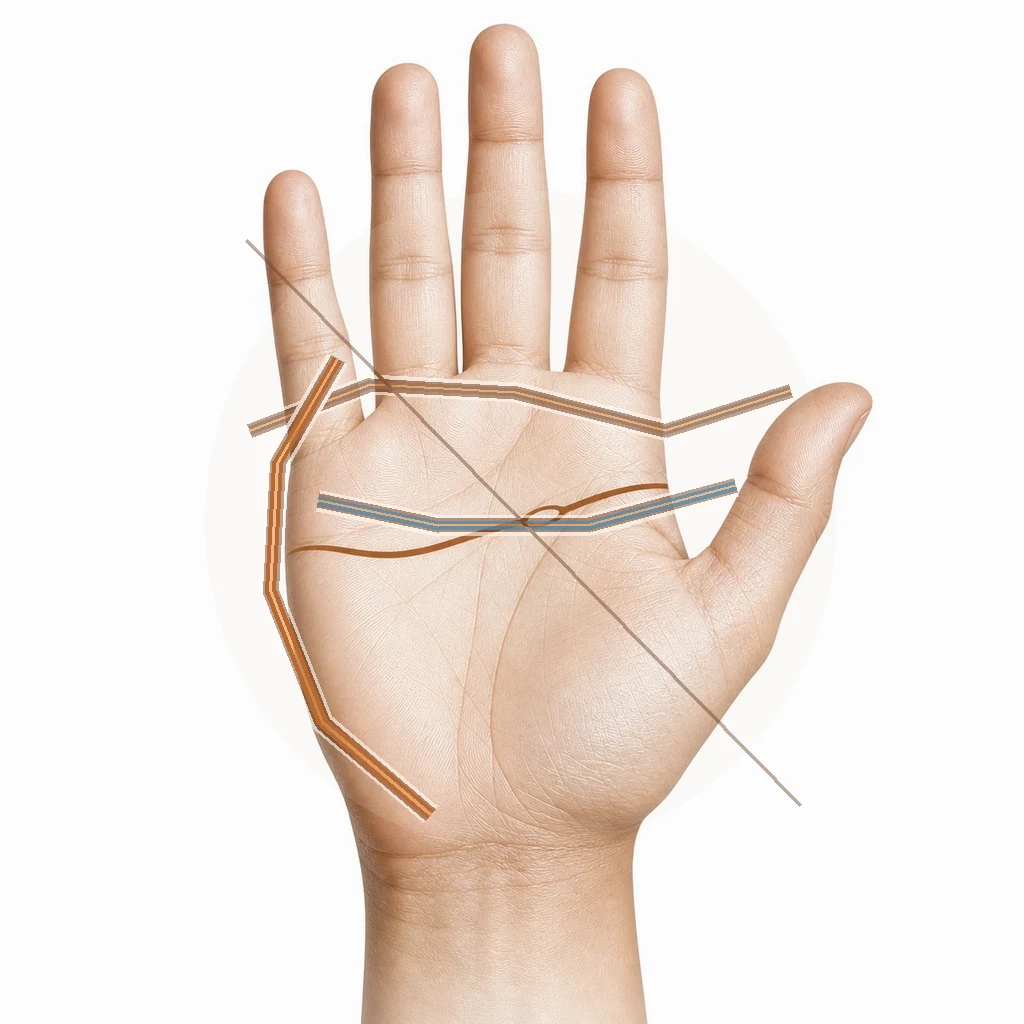
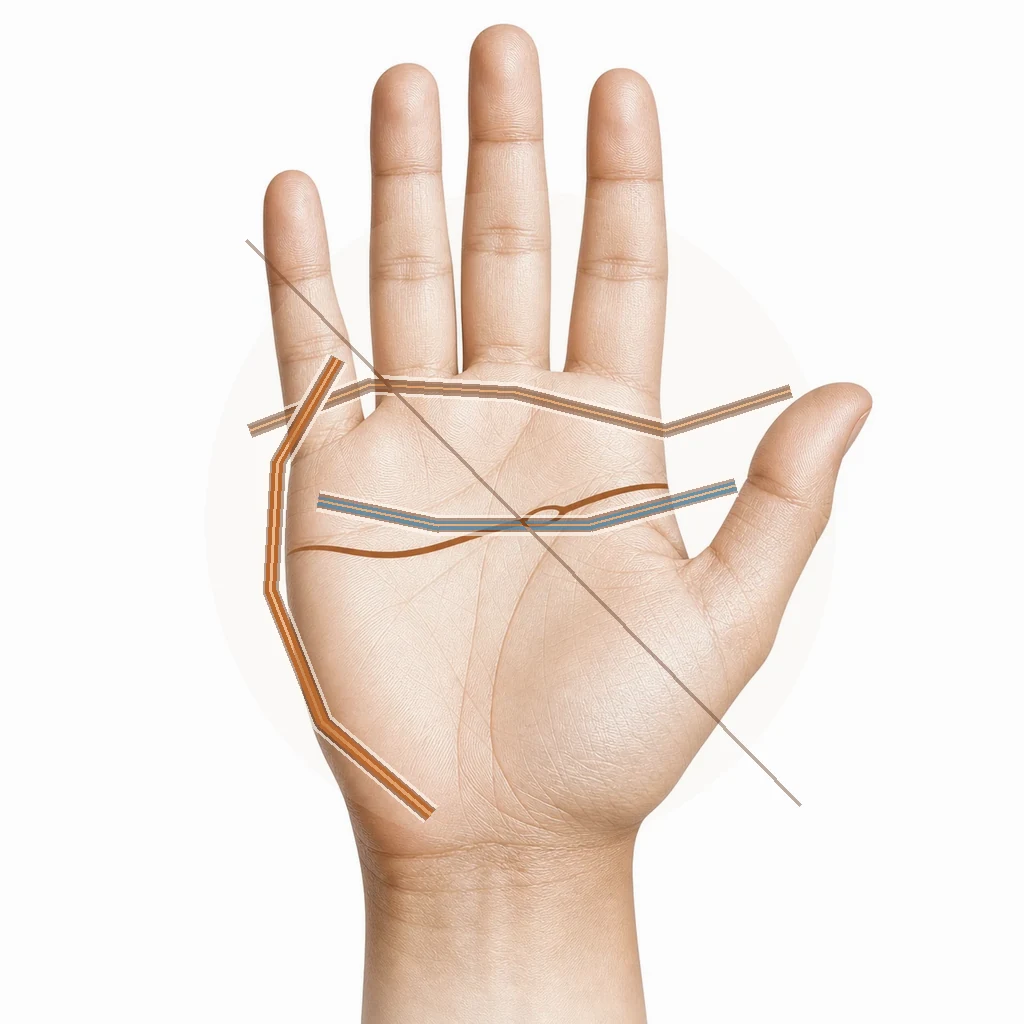
Two different annotated diagrams of the same hand showing different interpretations
Editorial image, two palm diagrams side by side, same hand shape but different lines highlighted and labelled differently, contrasting colours.
01Overview

Overview

The short answer

Palmistry is not a single, unified practice. It is a collection of traditions spanning centuries and continents — Indian palmistry, Chinese palmistry, Cheiro's Western system, modern psychological palmistry, and dozens of folk traditions. Each has its own rules.

One tradition counts any vertical line above the union line as a child. Another counts only deep, clear lines. One reads a heart line fork as balance; another reads it as a love triangle. One sees a broken fate line as career change; another sees it as an inheritance.

Add to this the fact that palm reading is an interpretive art, not a science, and you have a recipe for beautiful, endless disagreement.
02TRADITIONS

Different schools, different rules

Indian palmistry (Jyotish) places heavy emphasis on mounts, finger shapes, and the Gyan Mudra. Chinese palmistry focuses on colour, texture, and the four major lines. Western palmistry, popularised by Cheiro in the early 1900s, emphasises the life, head, heart, and fate lines.

A mark read as a "money line" in one tradition is ignored in another. A forked heart line is a good sign in some schools and a warning in others. There is no central authority to settle these differences.

This is not a bug. It is a feature. Palmistry survives precisely because it is flexible — readers adapt interpretations to the client in front of them. But flexibility comes at the cost of consistency.

03TWO READINGS

Visual guide

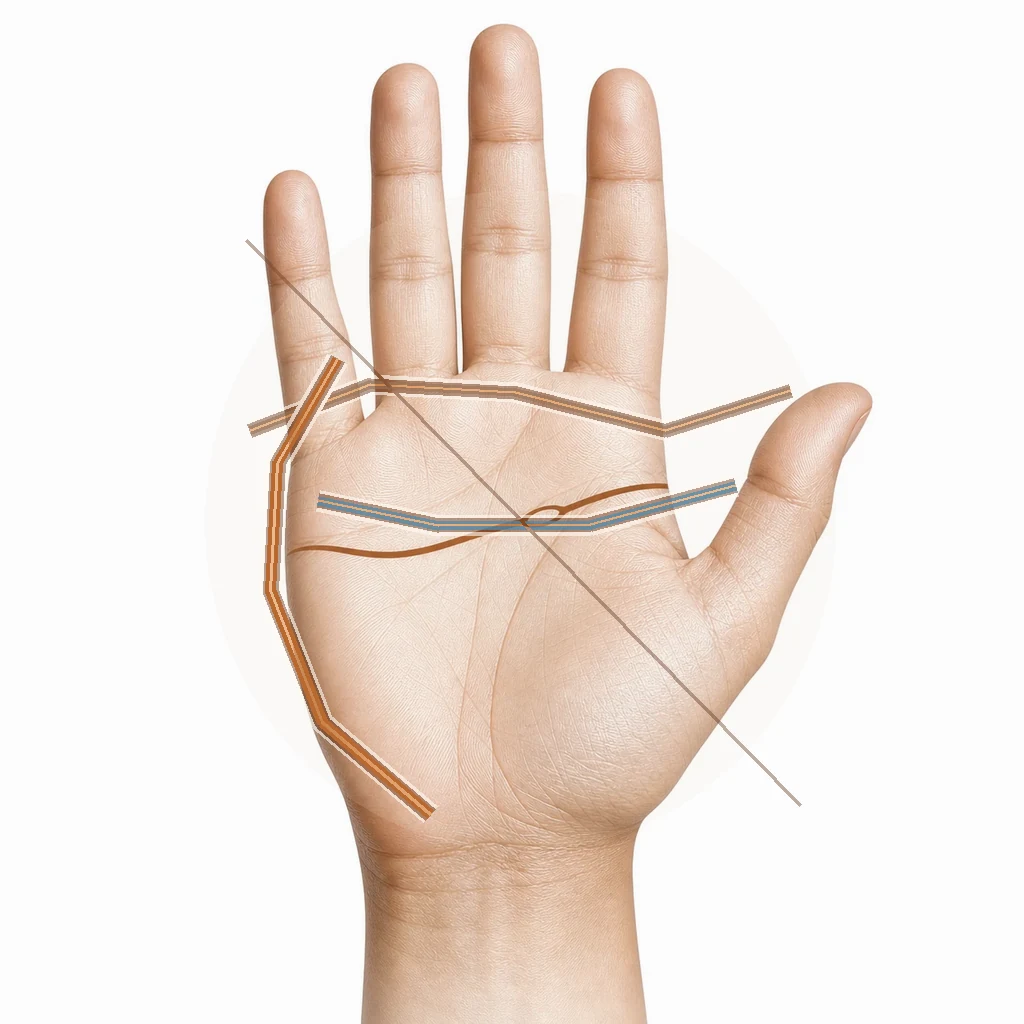
The same hand, two readings

How different traditions interpret the same marks differently.

  1. 1Reader ASees a marriage line with a fork → divorce.
  2. 2Reader BSees a sibling line and a career branch → no relationship meaning.
  3. 3The same creaseOne line, two completely different stories.
04WHAT THIS TELLS US

What this tells us

If palmistry were a reliable diagnostic tool, readers would agree. They do not. The disagreement is evidence of subjectivity, not of hidden complexity. The same hand cannot produce opposite true readings — but it can produce opposite opinions.

05DISAGREEMENT MYTHS

Myth versus reality

Myth

The best palmists always agree.

Reality

The best palmists often disagree because they follow different traditions.

Myth

Disagreement means one reader is bad.

Reality

It means the practice lacks standardisation. Both may be excellent within their own tradition.

Myth

Science will eventually validate one school.

Reality

Science has not validated any school. Subjectivity is inherent.

06DECISION TEST

The decision test

Which palmist should you believe when they disagree?

Neither — or the one whose reading feels more useful for self-reflection. Do not treat disagreement as a problem to solve; treat it as evidence that palmistry is art, not science.

07PERSPECTIVE

A useful way to think about disagreement

Think of palmistry less like a medical X-ray and more like a Rorschach test. The lines are ambiguous. The reader brings their own framework. Disagreement is not failure — it is the whole point. The question is not "Who is right?" but "Which story helps you see yourself differently?"

08TAKEAWAYS

Verdict

Palmists disagree because there is no standardised system.

Reading Context

Different traditions have different rules, definitions, and emphases.

Evidence Status

Disagreement is evidence of subjectivity, not of hidden truth.

Practical Use

Treat conflicting readings as different perspectives, not competing facts.

09FAQ

FAQ

Common follow-up questions

Is one palmistry tradition more accurate than others?

No. None has been validated by evidence. Accuracy is not the right measure.

Why do online palm readers disagree with each other?

Same reason: different training, different traditions, different interpretations.

Can I learn to read palms consistently?

Within one tradition, yes. Across traditions, no — consistency is tradition-specific.