Palmistry Explained

Why Do Two Palmists Give Different Readings?

You sit down with Palmist A. She tells you your fate line is deep and clear. Success is certain. You sit down with Palmist B. He tells you your fate line is too rigid. You need more flexibility. Same line. Opposite advice.

How can two professionals look at the same hand and see such different things?

Two palmists, two readings, one hand. Welcome to the subjectivity of palmistry.

Quick answer

Two palmists give different readings because palmistry has no standardised rules. Different schools, traditions, and individual readers interpret the same lines differently. There is no central authority to settle disagreements.

Two readers looking at the same hand with different annotations
Editorial image, two pairs of hands, one palm being examined by two different people, two different annotation styles.
NoStandard rules?
Very commonCommon occurrence?
NoneEvidence base?
Very highReader subjectivity?
01Overview

Overview

The short answer

Palmistry is not a science. It has no standardised curriculum, no licensing exam, no agreed upon textbook. Instead, it is a collection of traditions, each with its own rules.

One reader trained in Indian palmistry may emphasize mounts and finger shapes. Another trained in Cheiro's Western system may focus on the four major lines. A modern psychological palmist may read lines as symbols of personality rather than predictors of events.

These differences are not signs of incompetence. They are signs of a diverse, unstandardized field. The same hand can be read correctly within multiple traditions. Correctly, that is, according to the rules of that tradition. Not according to any external reality.
02TRADITIONS

Different traditions, different rules

Indian palmistry (Jyotish) places heavy emphasis on the mounts, the finger shapes, and the Gyan Mudra. Chinese palmistry focuses on line colour, skin texture, and the four major lines. Western palmistry, popularised by Cheiro, emphasises the life, head, heart, and fate lines.

A mark read as a "money line" in one tradition is ignored in another. A forked heart line is a good sign in some schools and a warning in others. A deep fate line is success in one tradition and rigidity in another.

There is no right answer. There are only different systems.

03TRADITIONS COMPARED

Visual guide

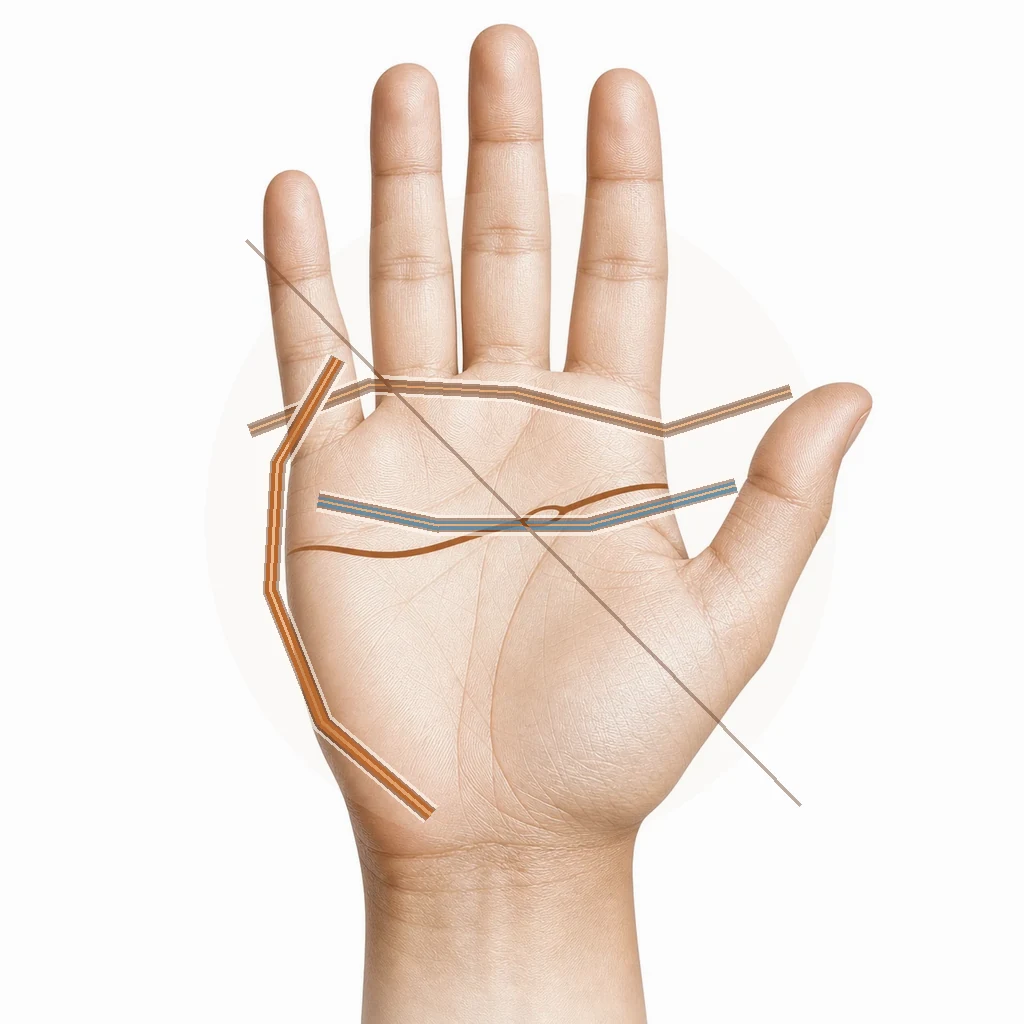
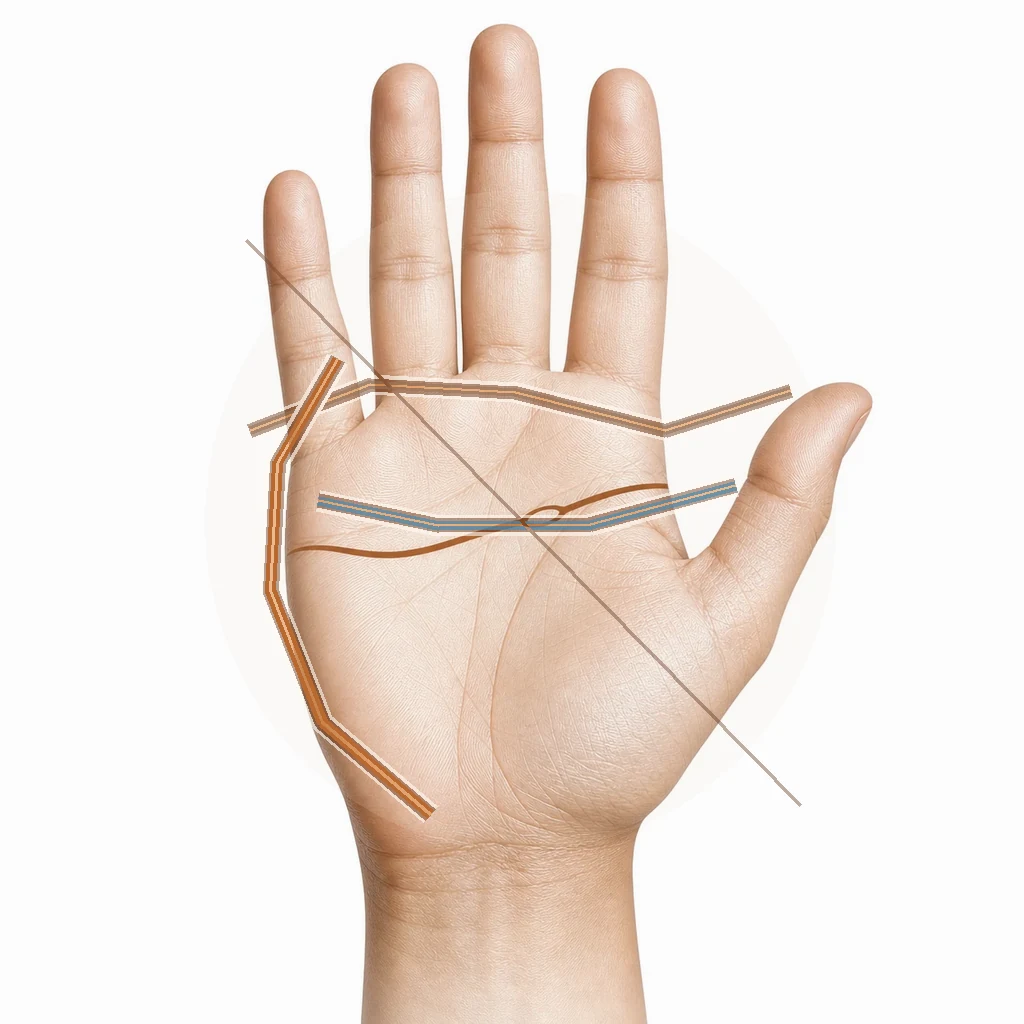
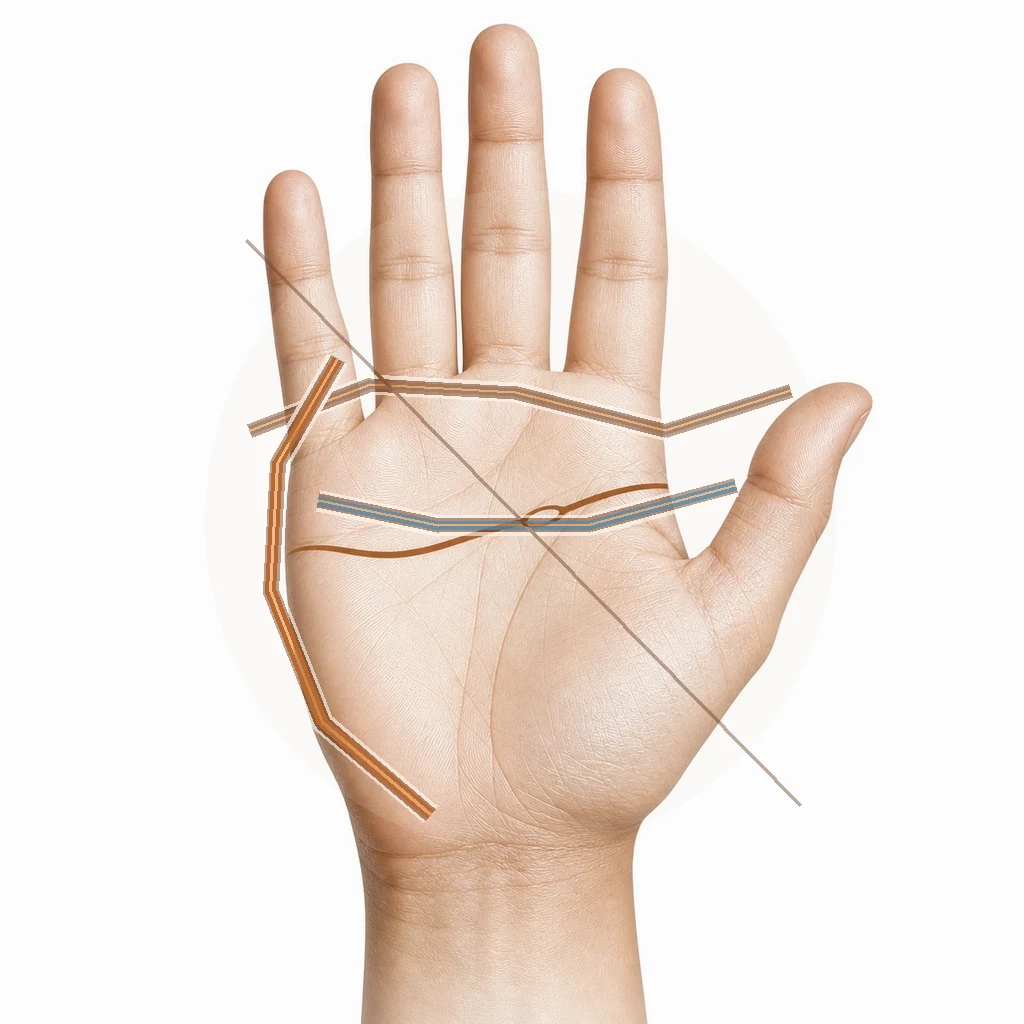
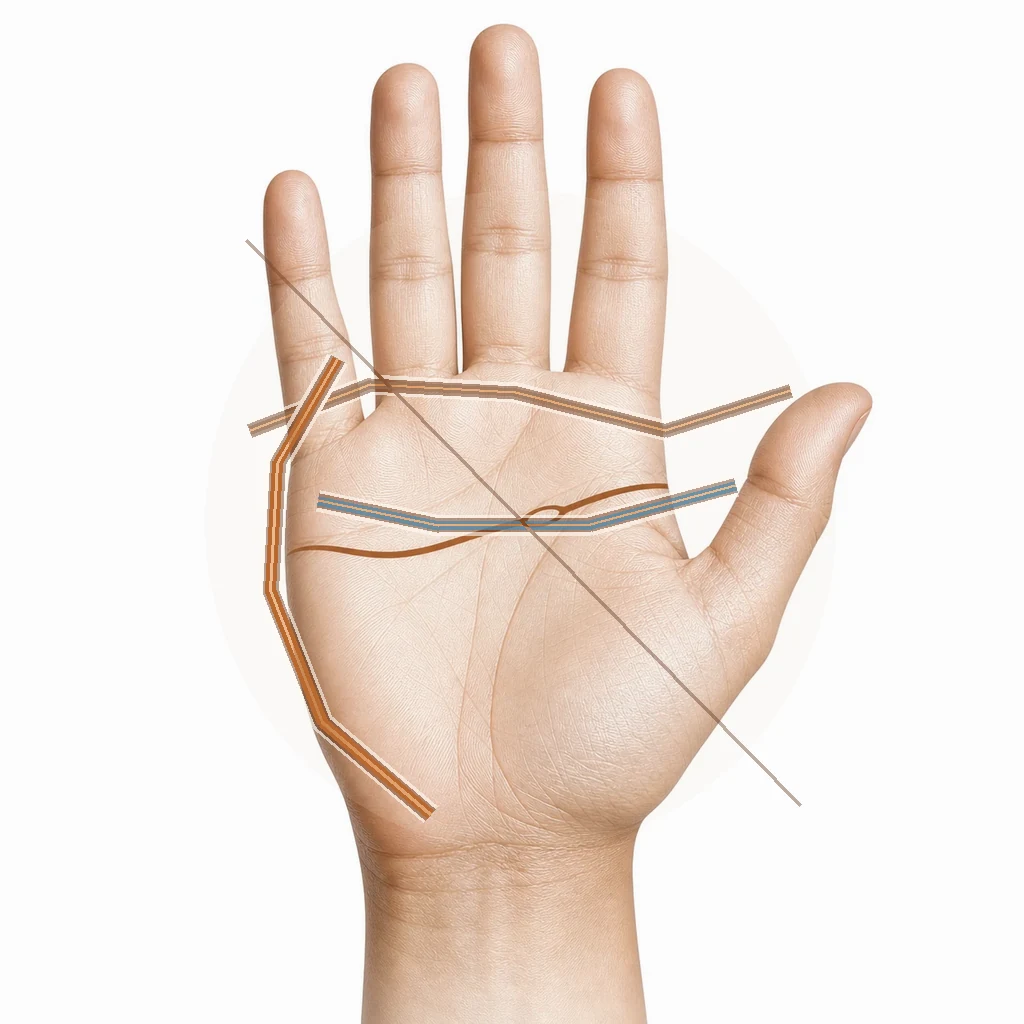
Same hand, two traditions

How different schools interpret the same lines differently.

  1. 1Western traditionFocus on the four major lines.
  2. 2Indian traditionFocus on mounts and finger shapes.
  3. 3Same handDifferent systems, different stories.
04WHAT THIS TELLS US

What this tells us

If palmistry were a reliable diagnostic tool, different traditions would converge on the same interpretations. They do not. They diverge. This divergence is evidence that palmistry is a cultural practice, not a universal truth.

05DISAGREEMENT MYTHS

Myth versus reality

Myth

One reader is right and the other is wrong.

Reality

Both may be correct within their own tradition. Neither may be correct in any objective sense.

Myth

The best readers always agree.

Reality

The best readers often disagree because they follow different schools.

Myth

Disagreement means palmistry is fake.

Reality

It means palmistry is subjective. Subjectivity is not fakery. It is art.

06DECISION TEST

The decision test

Which palmist should you trust?

Trust the one who is honest about subjectivity. Trust the one who says "this is my interpretation, not a fact." Avoid the one who claims absolute certainty.

07PERSPECTIVE

A useful approach

When two palmists disagree, do not try to determine who is right. Instead, ask which reading is more useful to you. Which one helps you reflect? Which one gives you insight? The value of a reading is not its accuracy. It is its usefulness.

08TAKEAWAYS

Verdict

Two palmists give different readings because palmistry has no standards.

Reading Context

Different traditions have different rules and meanings.

Evidence Status

Disagreement is evidence of subjectivity, not incompetence.

Practical Use

Choose the reading that is most useful to you, not the one that claims to be "right."

09FAQ

FAQ

Common follow-up questions

Is there a way to know which reading is correct?

No. That is the point. Palmistry does not offer objective truth.

Should I see multiple palmists?

You can, but expect disagreement. Decide what you want from the experience.

How do I find a reliable palmist?

Look for readers who are honest about subjectivity, avoid fear based predictions, and focus on self reflection.